

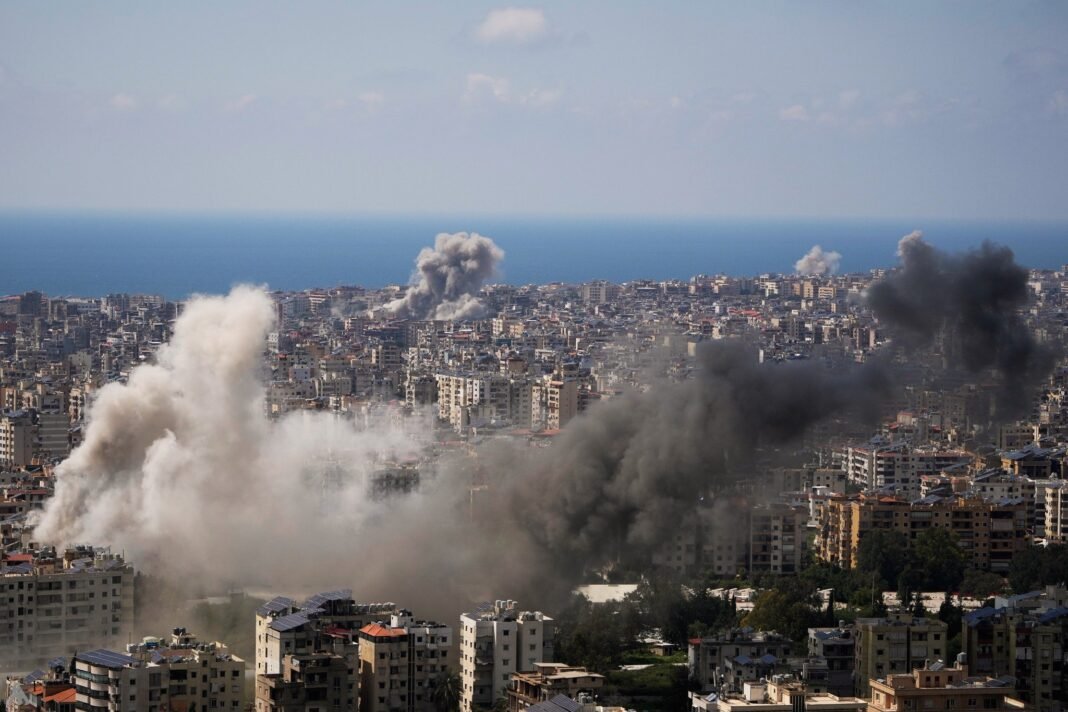
Humanitarian response grows as regional tensions increase and civilian losses rise. Also Humanitarian response expands as Iraq moves to support Lebanon. Humanitarian response highlights regional solidarity during conflict.
Iraq announced urgent humanitarian assistance to Lebanon following escalating violence in the region. Iraqi Prime Minister Mohammed Shia al-Sudani confirmed that Iraq will provide essential relief supplies. These include fuel, food, and emergency support materials.
Moreover, the decision followed a high-level phone conversation between the Iraqi and Lebanese leadership. Iraq expressed strong support for Lebanese state stability and sovereignty. Officials emphasized the importance of regional cooperation during crisis conditions.
In addition, Iraq condemned recent military strikes against Lebanon. Authorities described the attacks as a major escalation in the regional conflict. They also expressed condolences for civilian casualties.
Furthermore, the humanitarian situation in Lebanon continues to worsen. Reports indicate rising casualties and widespread damage in affected areas. Medical authorities confirmed thousands of deaths and injuries linked to ongoing strikes.
At the same time, Iraq’s relief commitment aims to ease pressure on essential services. Fuel and food deliveries will support hospitals and displaced families. These supplies will also help maintain basic infrastructure during emergencies.
Humanitarian response also reflects Iraq’s broader regional policy. The country continues to support diplomatic solutions and stability efforts. Officials stressed that humanitarian aid remains a priority during conflict situations.
Meanwhile, Lebanon faces increasing challenges in managing crisis conditions. Infrastructure damage has strained emergency response systems. As a result, international support has become more critical.
Additionally, Iraq’s leadership reaffirmed its position on regional peace efforts. Authorities called for reduced escalation and protection of civilians. They encouraged continued dialogue between the involved parties.
Humanitarian response remains central as regional tensions continue. Aid coordination between countries plays a key role in reducing suffering. Therefore, Iraq’s assistance represents an important step in regional support.
In conclusion, humanitarian response strengthens ties between Iraq and Lebanon during a difficult period. Emergency aid delivery aims to support civilians and stabilize essential services. The situation continues to require urgent international attention.