

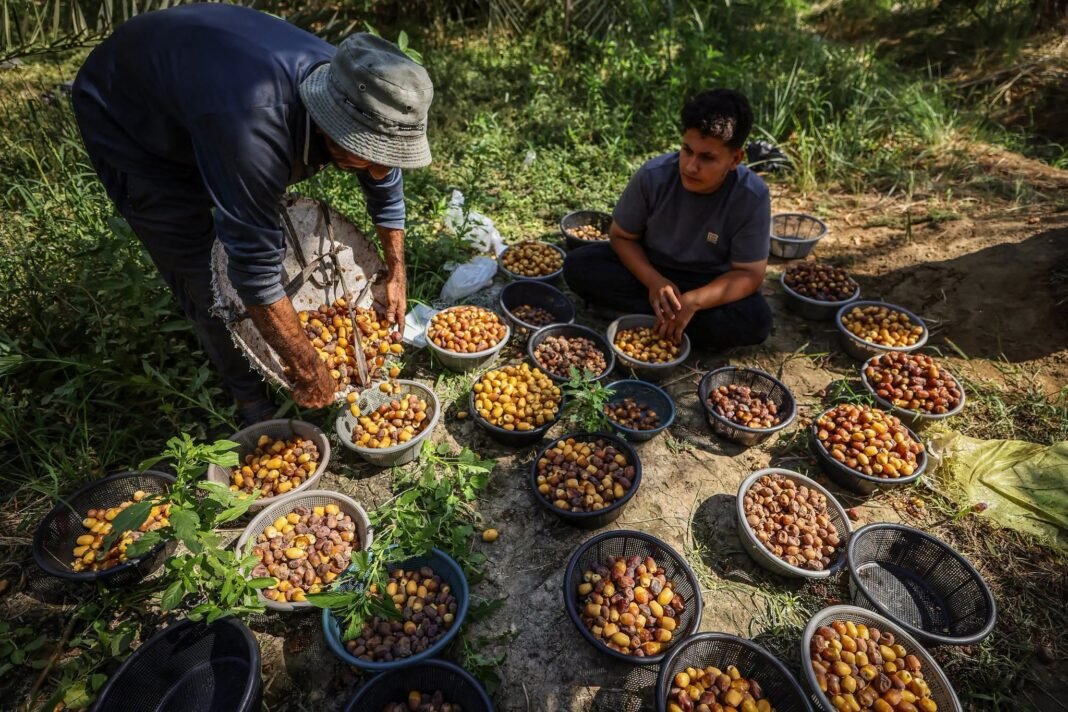
Baghdad — Iraq has achieved self-sufficiency in wheat and dates during 2026, according to the Agriculture Ministry. The Iraq agricultural self-sufficiency program has helped strengthen domestic food production and reduce reliance on imports.
Agriculture Ministry spokesperson Qusay Al-Hattab said wheat production has reached self-sufficiency for the third consecutive season. The ministry has also confirmed domestic sufficiency in date production. Officials are now preparing plans to maintain wheat production through the 2027 agricultural season.
The ministry attributes the progress to several agricultural measures introduced in recent years. These include improved seeds, modern irrigation systems, and more detailed planning for planting and harvesting. Officials say these measures have helped farmers respond to drought, salinity, and changing weather conditions.
Agricultural research teams have also developed wheat varieties suited to Iraq’s difficult farming conditions. The ministry says these seeds can better tolerate high soil salinity and extended periods of drought. Such varieties could help protect crop yields in areas facing growing water shortages.
Iraq has also expanded support for modern irrigation equipment. Under an Austrian-funded financing program, registered farmers can receive a 33 percent subsidy for eligible irrigation systems. A pivot system valued at 70 million Iraqi dinars can therefore cost farmers about 49 million dinars.
Farmers can repay the remaining amount over 10 years under the financing arrangement. The program also includes a one-year grace period before repayments begin. Authorities aim to encourage farmers to replace traditional flood irrigation with more efficient systems.
Water management remains one of the biggest challenges facing Iraqi agriculture. The Tigris and Euphrates river systems face increasing pressure from declining water availability. Therefore, improving irrigation efficiency has become an important part of Iraq’s agricultural strategy.
The date sector has also recorded significant growth over the past two decades. Iraq had around 12 million date palm trees in 2003, according to ministry figures. That number has increased to approximately 22 million trees in 2026.
The expansion reflects government replanting efforts and the development of commercial orchards. Zahdi dates account for the largest share of Iraq’s domestic date production. Officials hope the growing palm sector will support future exports and strengthen rural economies.
The Iraq agricultural self-sufficiency strategy also includes restrictions on selected agricultural imports. The ministry has permanently banned imports of 33 agricultural products to protect domestic producers. Officials say the restrictions aim to prevent imported goods from undermining local farmers.
Another 15 agricultural products remain subject to conditional import rules. Authorities review domestic supply before deciding whether to allow imports. This approach allows the government to respond to shortages while protecting farmers when local production meets demand.
The ministry monitors wholesale markets to guide those decisions. Inspection teams reportedly track prices and supply volumes at major markets in Baghdad. These include Jamila Wholesale Market and Al-Rasheed Wholesale Market.
When domestic supplies remain high, authorities can maintain restrictions on imported products. However, officials may allow temporary imports when shortages cause supply problems or significant price increases. The ministry says this system aims to balance farmer protection with consumer needs.
The Iraq agricultural self-sufficiency drive could therefore shape the country’s food policy in the coming years. Maintaining production will depend on water availability, farmer support, and effective market management. Iraq’s ability to sustain wheat and date production will remain important for its food security.
Social Description
Iraq reaches wheat and date self-sufficiency in 2026 as modern irrigation, improved seeds, and market controls strengthen local agriculture. #Iraq #Agriculture #Wheat #Dates #FoodSecurity