

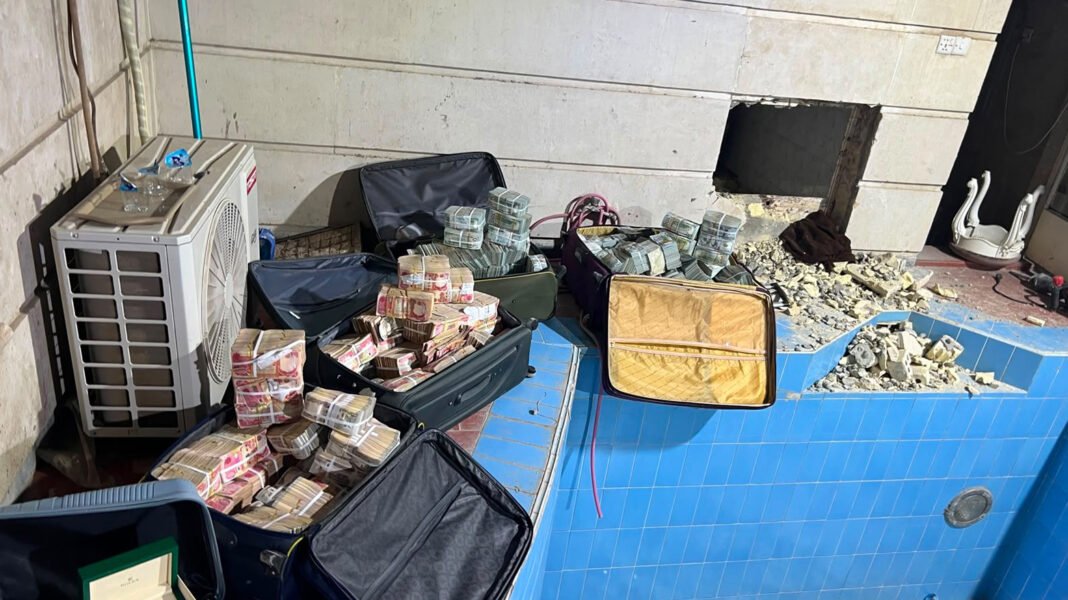
Iraq has recovered more than 1.359 trillion Iraqi dinars in public funds and assets. The Iraq anti-corruption campaignhas targeted financial crimes, illegal assets, and corruption networks across government institutions.
Government spokesperson Haider Al-Aboudi announced the figures on Saturday. He said the recovered assets include cash, financial holdings, and real estate. The total value exceeds $1.04 billion based on current estimates.
The Federal Commission of Integrity has also received more than 26,000 corruption reports. Officials say the large number reflects increased public reporting and stronger institutional activity. Authorities continue to examine the information and pursue cases supported by evidence.
The government has also highlighted financial incentives for people who report corruption. Under Iraq’s Informants Law, verified information can qualify for a financial reward. Informants may receive up to 5% of the public funds recovered through their reports.
Meanwhile, officials say the judiciary remains central to the campaign. Courts oversee evidence, legal procedures, and decisions connected to corruption investigations. This approach aims to ensure that enforcement measures follow established legal standards.
Prime Ministerial oversight has also increased during the campaign. The prime minister recently visited the Federal Commission of Integrity to review its work. The visit also demonstrated support for investigative judges and specialized investigators handling major cases.
The government is also focusing on preventing corruption before financial losses occur. Authorities plan to strengthen advance reviews of major public contracts. These checks could identify irregularities before ministries release government funds.
Digital transformation represents another major part of the strategy. Officials want to expand automated government services and digitize public records. They believe these measures can reduce unnecessary human intervention in state transactions.
Automation could also limit opportunities for bribery and administrative pressure. Digital systems can create clearer records and make transactions easier to monitor. Officials therefore see technology as an important tool against long-term corruption.
Al-Aboudi described corruption as a complex system involving financial schemes and administrative weaknesses. He also pointed to political influence as another factor that can protect corrupt networks. Such practices can drain public resources and delay important development projects.
The Iraq anti-corruption campaign therefore combines arrests and asset recovery with broader institutional reforms. Officials say the government wants to strengthen transparency while improving financial oversight. They also aim to recover more public money linked to corruption cases.
Al-Aboudi stressed that the campaign will continue without political compromise. The government plans to maintain pressure on corruption networks and pursue additional financial recoveries. Officials also expect digital governance and stronger oversight to support these efforts.
The Iraq anti-corruption campaign now faces the challenge of sustaining these measures over time. Authorities must ensure investigations remain transparent and legally sound. They must also turn recovered assets into lasting benefits for the public.