

Iraq is preparing to begin crude oil exports through Syria as Baghdad seeks to expand its options for reaching international markets. The planned route would connect oil terminals in Basra with Syria’s Baniyas port on the Mediterranean coast.
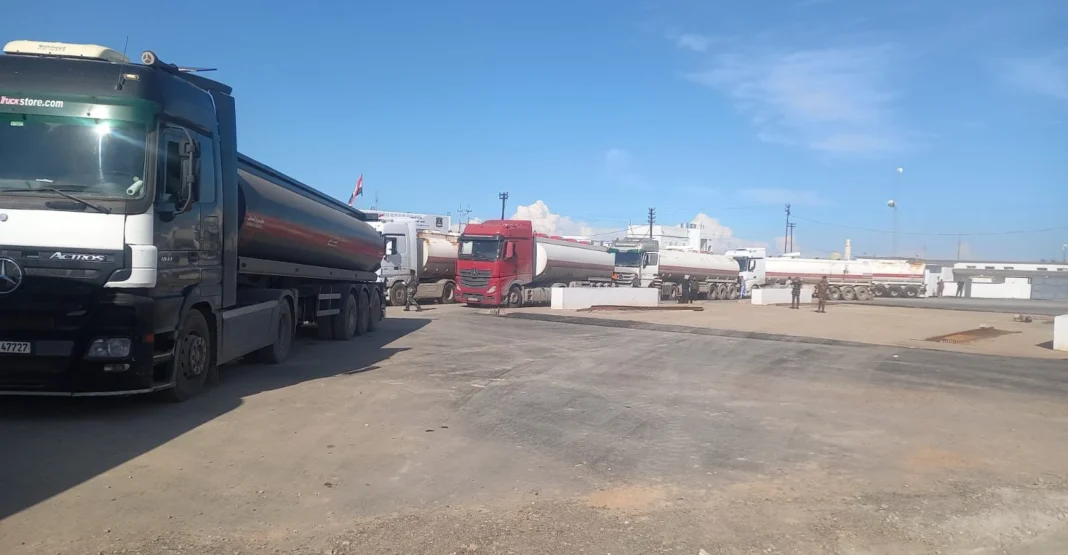
The Iraqi State Oil Marketing Company (SOMO) is negotiating with the Syrian Petroleum Company (SPC) over a new transportation agreement. Under the proposal, tanker trucks would carry crude from Basra to storage facilities at Baniyas. Ships could then transport the crude from the Syrian port to international buyers.
The move would give Iraq another option for moving crude beyond its traditional export channels. Baghdad currently depends heavily on maritime shipments from southern terminals. Therefore, the Syrian route could provide additional flexibility when market or transport conditions change.
Iraqi officials said negotiations with Damascus remain underway. SOMO Director Ali al-Shatri said Iraq has not yet signed a crude export contract through Syria. However, discussions continue to establish arrangements for transporting Basra crude by road.
The proposed shipments would start from the Zubair area in Basra. Tanker trucks would then travel across the border into Syria and continue toward Baniyas. Once the crude reaches the port, operators would store it before loading it onto vessels for overseas delivery.
The Baniyas facilities can reportedly hold between 1.5 million and two million barrels. However, their age and maintenance requirements could limit the amount of crude Iraq sends through the route. This means the Syrian corridor would likely handle smaller volumes than Iraq’s main export channels.
Iraq already uses the Syrian route to transport fuel oil. However, crude oil exports through Syria have not started yet. The planned agreement would therefore mark a significant expansion of energy cooperation between Baghdad and Damascus.
The Iraqi cabinet must approve the arrangement before SOMO can formally conclude the agreement. Officials expect the process to move forward once the necessary government authorization arrives. The final agreement will determine the transportation system, storage arrangements, and other operational details.
The land route would also serve as an interim solution while Iraq and Syria work toward a larger pipeline project. Baghdad and Damascus have discussed plans to develop pipeline infrastructure between the two countries. Such a project could eventually provide a more efficient method for moving larger quantities of crude.
For now, tanker trucks would offer a practical alternative while the pipeline remains under development. Crude oil exports through Syria could also allow Iraq to increase overall export flexibility without replacing its established maritime shipments.
The initiative reflects Iraq’s broader efforts to diversify its energy infrastructure. Expanding export routes could help Baghdad respond more effectively to transportation disruptions and changing regional conditions. It could also strengthen economic cooperation between Iraq and Syria.
If approved, the agreement would create a new connection between Basra’s oil fields and Mediterranean markets. However, the limited capacity and condition of Baniyas facilities will likely keep shipments at controlled levels. Iraq would therefore continue relying on its major export routes for most of its crude.