

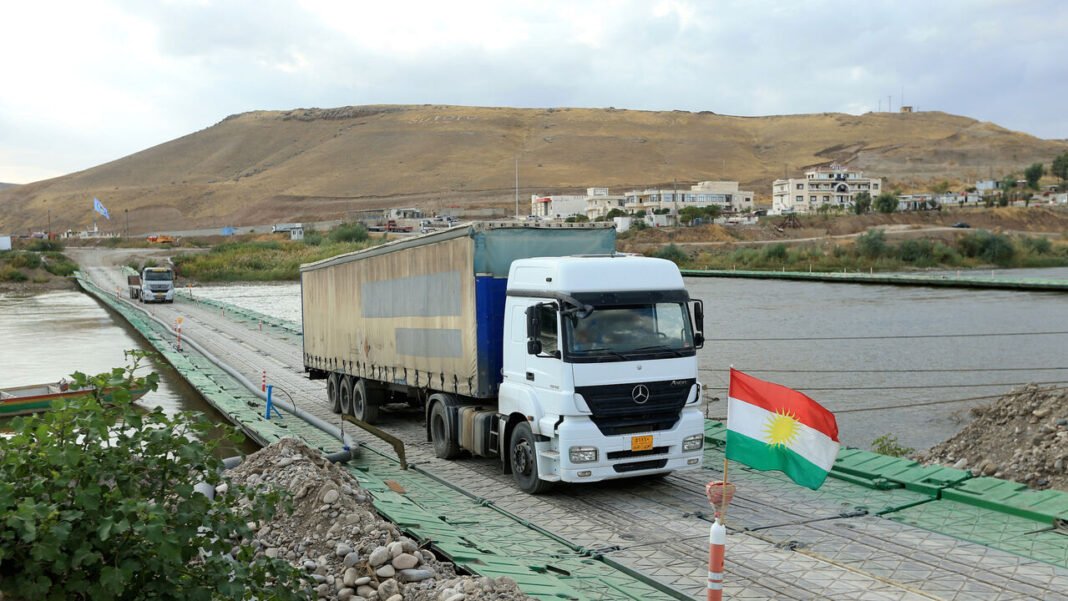
Iraq is moving toward a unified digital customs system that would cover border crossings across the country. The Iraq digital customs system could also extend to crossings in the Kurdistan Region. The plan aims to improve customs collection, strengthen oversight, and increase non-oil government revenue.
Finance Minister Falih Al-Sari called for faster implementation of customs automation during a meeting on modernization. He also directed authorities to begin advance customs tax payments from October 1. Meanwhile, government agencies will continue developing the Automated System for Customs Data, known as ASYCUDA.
Al-Sari stressed the importance of introducing ASYCUDA at border crossings in the Kurdistan Region. The expansion would connect federal and regional customs operations through a more consistent digital framework. It could also create common procedures for recording imports and calculating customs duties.
The government wants to replace traditional paper-based customs procedures with computerized processes. Digital systems can help authorities monitor shipments more efficiently and accelerate clearance procedures. They can also provide more reliable information about imported goods and collected customs revenue.
A nationwide system could also address some of the long-running customs differences between Baghdad and Erbil. Both sides have faced challenges involving border procedures, tariff collection, and the distribution of customs income. A shared digital platform could establish common standards for recording commercial transactions at border crossings.
The initiative comes as Iraq seeks to strengthen sources of state income outside the oil sector. Petroleum remains central to government finances, but officials increasingly want to expand customs and other non-oil revenues. Improving collection at border crossings could therefore support the government’s broader economic diversification efforts.
Digital customs procedures could also help reduce opportunities for fraud and revenue losses. Electronic records would allow authorities to track goods, customs declarations, and payments more effectively. Such records could make it easier to identify irregular transactions and improve accountability across border operations.
The Finance Ministry is also working with other government institutions to connect customs operations with Iraq’s banking and payment systems. This integration would allow importers to pay customs fees through formal financial channels. It would also create electronic records linking payments with customs transactions.
The planned October 1 advance-payment system represents another stage in the government’s digital transformation. Under the new approach, importers would settle customs duties earlier in the clearance process. Authorities expect the system to reduce reliance on procedures that vary between individual border crossings.
Extending the Iraq digital customs system to the Kurdistan Region would represent an important step toward nationwide customs integration. It could give Baghdad and Erbil a common platform for monitoring border trade and customs revenue. However, effective coordination between federal and regional authorities will remain essential for successful implementation.
The Iraq digital customs system could ultimately strengthen border management while improving the transparency of trade-related revenue. If implemented consistently, the reform could make customs procedures faster and more predictable for businesses. It could also provide Iraq with stronger tools to increase non-oil income and modernize its border infrastructure.