

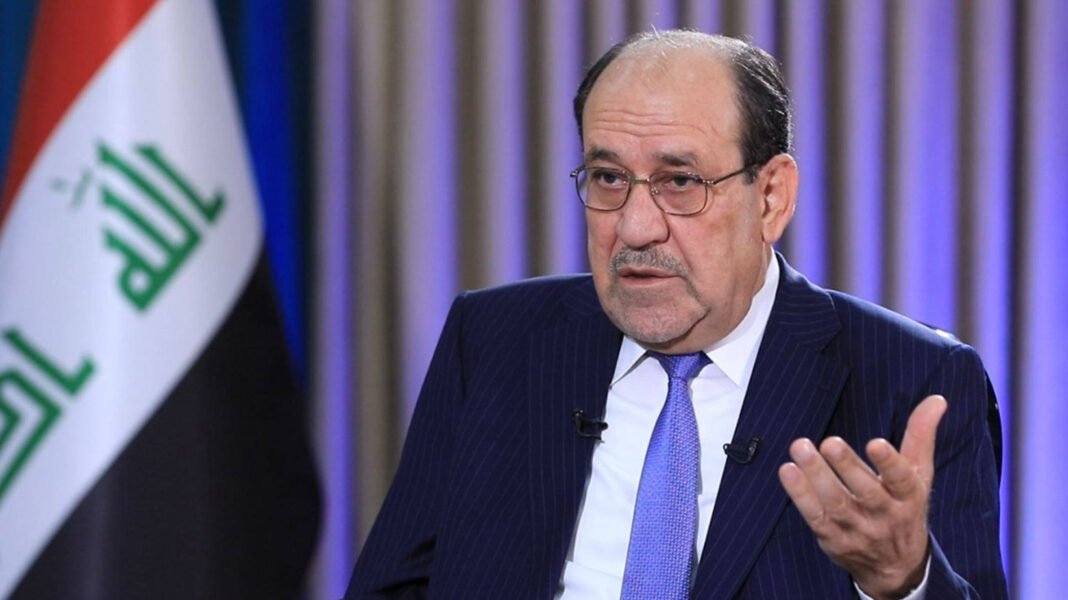
Baghdad — Iraqi Prime Minister Ali al-Zaidi and Nouri al-Maliki have stressed the need to strengthen anti-corruption efforts. The Iraq anti-corruption reforms also focus on economic and administrative changes across government institutions.
Zaidi met with Maliki, head of the State of Law Coalition, on Saturday. During the meeting, both sides discussed government efforts to fight corruption and improve economic management. They also stressed the importance of completing the government formation process.
The meeting comes as Zaidi’s government continues a broad campaign against alleged corruption. Authorities launched the campaign in late June with a major security operation in Baghdad’s Green Zone. The operation led to the detention of several senior officials.
The government has named the wider campaign “Operation Dawn.” Authorities have targeted public officials and other individuals accused of corruption and financial misconduct. The campaign has received support from several political forces, including members of the Coordination Framework.
By late July, authorities had seized more than $125 million in cash and around 380 kilograms of gold and jewelry. The assets reportedly related to a corruption case involving Adnan al-Jumaili. He served as an undersecretary at the Oil Ministry before authorities detained him.
Iraqi authorities later confirmed that at least 21 people had been detained during the campaign. Earlier reports had put the number of arrests at 47. The differing figures highlight the need for authorities to clarify the final number of detainees and their legal status.
Zaidi and Maliki also discussed the need to complete the formation of the federal government. Several important ministries remain without permanent ministers. Political disagreements have prevented parliament from completing votes on several cabinet positions.
Parliament approved the government program on May 14. Lawmakers also approved 14 of Zaidi’s 23 ministerial nominees during the same session. However, disagreements on the remaining candidates prevented the process from reaching completion.
The defense and interior ministries remain among the vacant portfolios. Their continued vacancies could affect the government’s ability to implement some executive programs. Completing the cabinet could therefore strengthen coordination across key state institutions.
The Iraq anti-corruption reforms also form part of a broader government agenda. Zaidi’s administration wants to advance strategic plans and development programs alongside its anti-corruption campaign. Officials say those programs aim to improve public services and the wider economic situation.
Economic reform will require stronger administrative oversight and better management of public resources. It will also require government institutions to implement decisions consistently. Political cooperation could therefore play an important role in achieving the government’s stated objectives.
The meeting between Zaidi and Maliki signals continued political support for the campaign. However, the government must still complete several institutional steps. Future progress will depend on judicial procedures, cabinet formation, and the implementation of economic reforms.
The Iraq anti-corruption reforms are likely to remain a major issue in the government’s agenda. Authorities face pressure to demonstrate results while protecting due process. Completing the cabinet could also help Zaidi advance his wider reform program.