

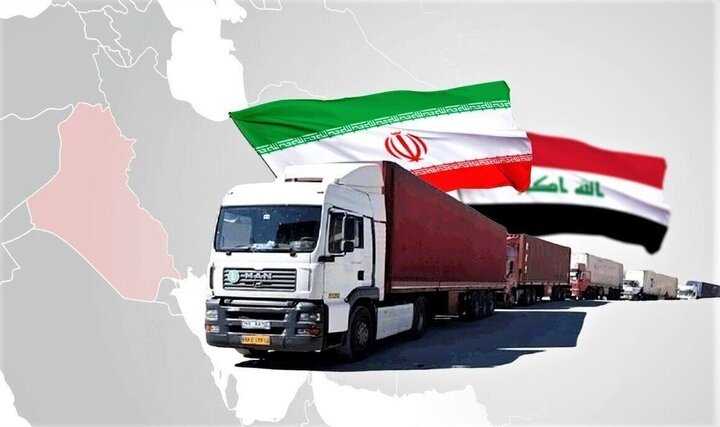
Iran’s central bank governor has arrived in Baghdad to discuss major financial and trade issues with Iraqi officials. Abdolnaser Hemmati leads a high-level economic delegation during his official visit. His talks focus on recovering Iranian funds in Iraq and strengthening bilateral trade.
Hemmati is scheduled to meet Central Bank of Iraq Governor Nizar Nasir Hussein. He will also hold discussions with Iraq’s finance minister and Prime Minister Ali Falih al-Zaidi. The meetings aim to address financial obligations and improve economic cooperation between the neighboring countries.
Iran-Iraq financial ties remain a major focus of Hemmati’s visit. Iranian officials are seeking access to around $11 billion in funds and outstanding payments held in Iraq. The money mainly relates to gas and electricity supplies provided by Iran.
Around $7 billion reportedly remains deposited with the Central Bank of Iraq. More than $3 billion also represents payments owed to Iran’s Ministry of Petroleum. Tehran wants both sides to establish mechanisms that can settle the outstanding obligations.
The issue has gained greater importance because international banking restrictions complicate financial transactions involving Iran. Baghdad and Tehran have therefore explored alternative methods for settling trade-related payments. These arrangements could include humanitarian clearing systems and goods-for-debt settlements.
Trade also represents a central part of the discussions. Hemmati said Iranian non-oil exports to Iraq reached around $12 billion before recent regional military escalations. Tehran wants to protect those commercial flows and potentially expand private-sector trade.
Iranian companies and investors also face several challenges in Iraq. Hemmati held meetings with Iranian contractors, traders, and private investors during his Baghdad visit. They raised concerns involving currency transfers, customs charges, and payments for completed projects.
The Iranian delegation agreed to raise those concerns with Iraqi authorities. Some issues could reach Prime Minister Al-Zaidi directly for further consideration. Resolving these problems could encourage more Iranian businesses to continue operating in the Iraqi market.
Iran-Iraq financial ties also connect with preparations for a joint economic meeting. Hemmati is working with Iraq’s Trade Ministry to finalize arrangements for the next Iran-Iraq Joint Economic Commission. The meeting will bring senior officials together to discuss broader economic cooperation.
The upcoming commission could address trade barriers and payment mechanisms between the two countries. It may also provide a platform for reviewing investment issues and private-sector concerns. Both governments want stronger commercial links despite continuing financial restrictions.
Hemmati’s Baghdad visit follows Prime Minister Al-Zaidi’s trip to Tehran in July. During that visit, officials discussed financial clearing mechanisms and trade arrangements. They also considered escrow accounts and other methods for facilitating bilateral commerce.
Tehran wants alternative payment channels to support essential imports and maintain trade with Iraq. Such mechanisms could help businesses operate despite restrictions affecting Iran’s access to international banking systems. They could also reduce pressure caused by limited liquidity and difficulties transferring funds.
Iran-Iraq financial ties are likely to remain important as both countries seek to expand economic cooperation. Recovering outstanding Iranian funds could improve Tehran’s financial position. At the same time, stronger trade mechanisms could help protect the flow of goods between the two markets.
Iraq and Iran share extensive commercial and economic links. Energy remains a major part of their relationship, while private businesses also contribute significantly to bilateral trade. The latest talks could shape how both countries manage payments and commercial activity in the coming months.
Social Description
Iran-Iraq financial ties take center stage as Tehran seeks $11 billion in Iraq and aims to expand bilateral trade. #Iraq #Iran #Trade #Economy #Finance