

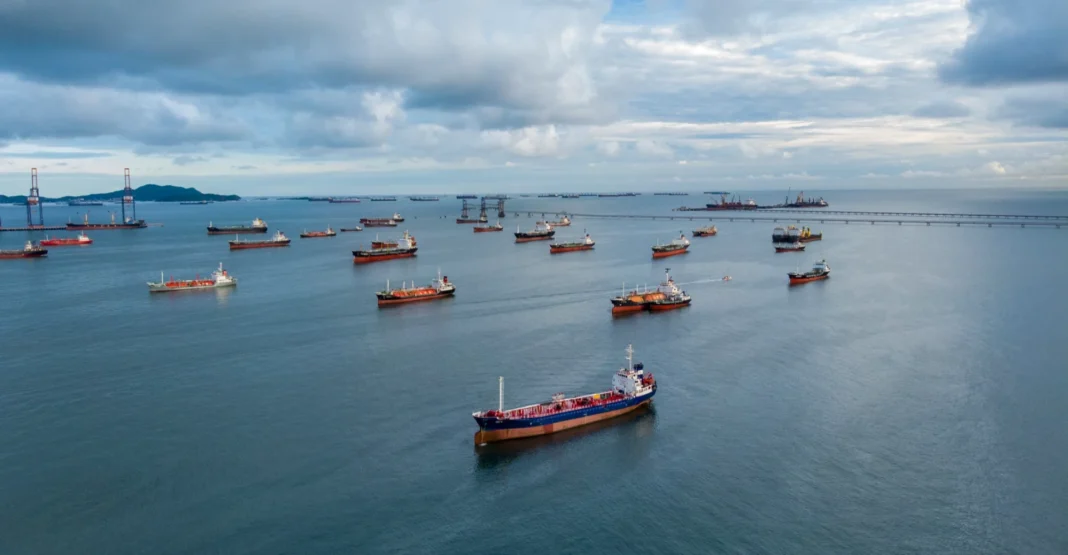
The Hormuz oil supply shock has become the largest disruption to global crude supplies in modern history. The closure began in March 2026 and sharply reduced oil flows worldwide. Estimates put the supply loss at about 10.1 million barrels per day.
The scale of the disruption exceeds every major oil shock recorded over recent decades. It also stands well above losses linked to wars, revolutions, and major regional conflicts. The Iranian Revolution previously held the top position in historical rankings.
That earlier crisis reduced global oil supplies by an estimated 5.6 million barrels per day. The disruption lasted from November 1978 through April 1979. The current crisis has therefore created a far greater impact on international energy markets.
The Arab oil embargo ranks third in the comparison, with losses near 4.3 million barrels daily. Iraq’s 1990 invasion of Kuwait produced a similar reduction. The Iran-Iraq War follows closely, with an estimated loss of 4.1 million barrels per day.
Other conflicts produced smaller but still significant disruptions. The 2003 Iraq War reduced global supplies by roughly 2.3 million barrels per day. Libya’s 2011 civil war caused another major shock, cutting supplies by about 1.5 million barrels daily.
The Strait of Hormuz remains central to global energy security. Around one-fifth of the world’s oil moves through the strategic waterway. Any prolonged interruption can therefore create serious pressure across international markets.
Iran imposed restrictions on the waterway after the US-Israeli war began on February 28. Those restrictions disrupted shipping routes and affected energy movements across the region. The Hormuz oil supply shock quickly became a major concern for oil-consuming nations.
The corridor briefly reopened after a US-Iran memorandum took effect on June 18. That reopening offered temporary relief to traders and energy markets. However, renewed military escalation soon interrupted maritime traffic again.
Tehran continues to assert control over the strategic waterway. Iranian officials have maintained that the strait remains under their authority. The ongoing restrictions have kept uncertainty high across global energy markets.
The crisis also highlights the vulnerability of international oil supply chains. Markets rely heavily on stable shipping through key maritime corridors. A sustained closure can affect crude availability, transportation costs, and energy prices.
For governments and energy companies, the latest disruption carries wider strategic implications. Importing countries may need alternative supplies when major shipping routes face prolonged restrictions. Producers may also reassess their dependence on vulnerable export corridors.
The Hormuz oil supply shock now ranks above the major disruptions of the past half-century. Its unprecedented scale reflects the importance of the strait to global petroleum trade. Continued instability could keep energy markets under pressure for months.