

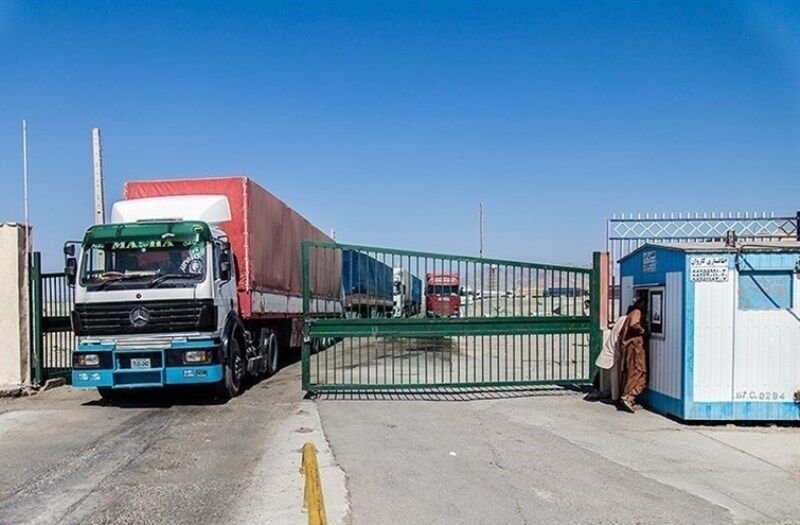
Baghdad and Erbil have agreed to adopt a unified digital customs system across Iraq’s border crossings. The agreement includes an equal sharing arrangement for non-oil customs revenues. The move could help resolve long-standing disputes over customs collection and trade data.
The two sides plan to fully implement the ASYCUDA customs system at border points across Iraq. The United Nations Conference on Trade and Development developed the digital platform. It allows authorities to manage customs declarations, payments, and clearance procedures electronically.
The system could create greater consistency between federal and Kurdistan Region customs operations. Authorities would use common digital procedures to record imported goods and related payments. This could provide more reliable information about trade volumes and customs revenues.
The agreement also addresses the distribution of border revenues. Baghdad and Erbil agreed to share non-oil customs earnings equally. The arrangement could provide a clearer framework for managing revenues collected at border crossings.
The unified digital customs system could also improve government oversight. Digital records make it easier for authorities to track goods as they enter the country. They can also compare customs declarations with payment information more efficiently.
Linking customs operations with banking and electronic payment systems could provide additional safeguards. Authorities could better identify differences between declared imports and actual payments. This may help reduce underreporting and limit revenue losses.
The system could also strengthen efforts against corruption. Automated procedures reduce reliance on manual paperwork and individual intervention. Greater transparency could make it harder to manipulate customs records or bypass established procedures.
For years, customs revenues and import figures have created disagreements between Baghdad and Erbil. Differences in reported trade volumes have complicated financial discussions. A shared digital platform could provide both sides with the same information.
The agreement comes as Iraq continues to modernize its public financial systems. The Finance Ministry and Central Bank are working to expand digital payments and financial data systems. Their cooperation with UNCTAD forms part of this broader modernization effort.
The unified digital customs system could improve the accuracy of national customs data. Federal and regional authorities would have access to standardized information. This could make financial planning and revenue reporting more effective.
The agreement could also affect Iraq’s wider business environment. More consistent customs procedures could make cross-border trade easier for companies. Businesses would have clearer requirements when importing goods through different Iraqi border crossings.
Faster customs processing could provide additional benefits for traders. Digital declarations and electronic payments can reduce paperwork and administrative delays. More efficient clearance procedures could lower some costs associated with cross-border commerce.
The system could also strengthen Iraq’s ability to collect non-oil revenue. Customs duties represent an important source of government income outside the oil sector. Better collection systems could help Iraq expand its non-oil revenue base.
The equal revenue-sharing arrangement could further support cooperation between Baghdad and Erbil. Both sides would have an interest in improving collection and reducing leakage. Greater transparency could also help build confidence around border revenues.
The unified digital customs system represents an important step toward standardizing customs administration across Iraq. Its success will depend on consistent implementation at all border crossings. Authorities will also need to ensure that digital systems remain connected and accurate.
For international businesses, improved customs procedures could make Iraq more attractive. Investors often look for predictable regulations and transparent trade processes. A modern customs system could therefore support Iraq’s efforts to attract foreign investment.
The agreement could also help Iraq integrate more closely with international trade systems. Digital customs processes can improve data exchange and simplify commercial procedures. Over time, this could strengthen Iraq’s position within regional supply chains.
Baghdad and Erbil now face the challenge of putting the agreement into practice.As well as, Effective coordination will remain essential during implementation. If both sides maintain the same standards, the system could improve trade, revenue collection, and financial transparency.