

Iraq’s customs revenue growth has accelerated sharply during 2026, reaching 2.5 trillion Iraqi dinars in seven months. The amount equals the country’s total customs revenue for all of 2025. Authorities expect collections to rise further before the end of the year.
General Customs Authority Director-General Thamer Qasim Al-Taie announced the figures on Saturday. He said customs offices collected 560 billion dinars during July alone. That monthly figure represents a 150% increase compared with July 2025.
The latest results show a significant improvement in Iraq’s ability to collect customs duties. Revenue has increased across federal border crossings during the year. Officials now expect total customs receipts to exceed 3.5 trillion dinars in 2026.
That projected figure would equal about $2.67 billion. It would also represent the highest annual customs revenue recorded in modern Iraqi state history. The increase could provide an important boost to Iraq’s non-oil income.
Customs authorities have linked the stronger performance to major administrative and technological changes. Border crossings have introduced automated systems to improve the collection process. Digital networks now connect customs points with relevant government institutions.
Automation has also helped authorities monitor cargo more effectively. Digital documentation reduces opportunities for businesses to avoid declared tariffs. It can also make customs procedures faster and more transparent.
The use of SCADA systems represents another part of the modernization effort. Authorities are using technology to improve monitoring and control at border facilities. These systems can help officials identify irregularities and strengthen oversight.
The government has also expanded digital data-sharing between border checkpoints. Customs officials can access and exchange information more efficiently through integrated networks. This approach can reduce delays while improving the accuracy of customs assessments.
The customs revenue growth comes as Iraq seeks to strengthen its non-oil economy. Oil remains the country’s largest source of government income. However, authorities have increasingly focused on developing other revenue streams.
Higher customs collections could help reduce some pressure on public finances. Stronger non-oil revenues can provide additional resources for government spending. They can also support efforts to diversify Iraq’s fiscal base.
The sharp increase in July collections highlights the pace of improvement. Revenue reached 560 billion dinars in one month. The 150% annual increase indicates that changes at border crossings are having a significant financial effect.
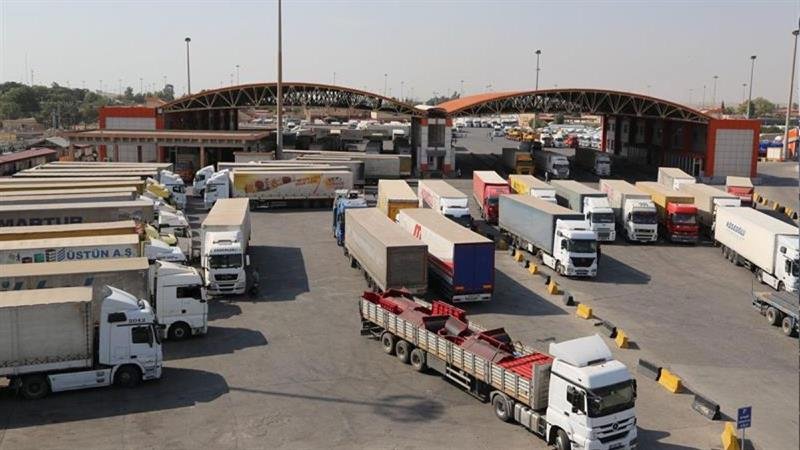
Federal border crossings remain central to the revenue strategy. Iraq imports large volumes of consumer products, industrial goods, food, and other materials. Effective customs collection can therefore generate substantial public revenue from cross-border trade.
At the same time, stronger customs controls can create wider economic benefits. Reducing tariff evasion can create fairer conditions for businesses that follow regulations. Better monitoring can also limit illicit clearance practices at border points.
The government’s digital approach could further improve customs administration. Automated documentation reduces reliance on manual procedures. Greater data integration can also help different government agencies coordinate their work.
However, continued growth will depend on maintaining effective systems. Authorities must ensure that technology works consistently across border crossings. They also need to maintain transparency as customs operations become increasingly automated.
The customs revenue growth provides a positive development for Iraq’s efforts to expand non-oil income. The seven-month total already matches the previous full-year result. If current collection levels continue, annual revenue could reach a record high.
The expected 3.5 trillion dinar total would mark an important milestone for Iraq’s public finances. It would show how improved administration can increase government revenue without relying entirely on higher oil income. Further reforms could potentially strengthen these results in coming years.
Iraq’s customs modernization also reflects a broader push toward digital government services. Connecting border crossings with government databases can improve oversight across the trade system. It may also make commercial procedures more predictable for importers and exporters.
For now, customs collections are running well ahead of last year’s pace. July’s strong performance has strengthened expectations for another record year. Authorities will continue monitoring border activity and revenue collection through the remainder of 2026.