

Iraq’s Development Road project has reached a major design milestone as authorities push ahead with strategic transport infrastructure. Railway designs for the 1,200-kilometer corridor have reached 95% completion. Highway designs have also advanced to 85%, bringing the project closer to its next implementation phase.
Transport Minister Wahab Al-Hasani reviewed the progress during a meeting with the Parliamentary Transport and Communications Committee. The discussions covered several major infrastructure projects across Iraq. Officials also examined developments at Grand Faw Port and the country’s national railway network.
The Development Road aims to create a major transport corridor linking Iraq’s Gulf ports with regional and European markets. The project includes railway and highway connections across the country. Officials see the route as an important part of Iraq’s plans to strengthen its position as a regional logistics hub.
The railway component has made particularly strong progress. Technical teams have completed 95% of the railway designs for the planned corridor. Highway designs have reached 85%, according to the Transport Ministry’s latest update.
Iraq has also signed a memorandum of understanding with Turkey concerning the Development Road. The agreement provides an initial framework for cooperation between the two countries. However, officials said it currently creates no financial or legal obligations.
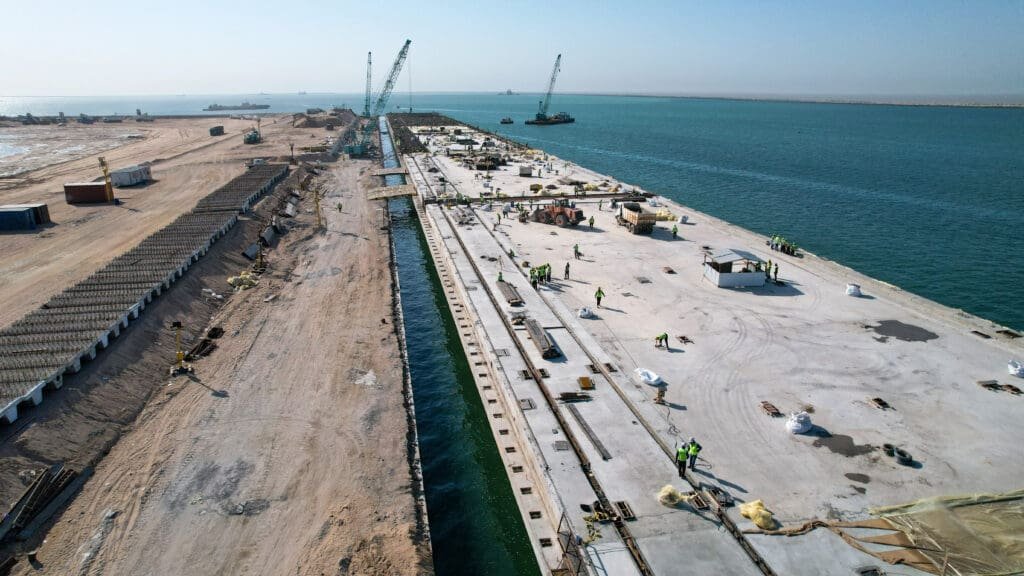
Grand Faw Port represents another major part of Iraq’s transport strategy. Construction of the submerged tunnel has reached 86% completion. Work has also progressed across five main container berths at the strategic port.
The port will play an important role in connecting maritime trade with the planned overland transport network. Once completed, the infrastructure could allow cargo to move from the Gulf toward Turkey and European destinations. This could strengthen Iraq’s role in regional supply chains.
Railway modernization is also continuing across northern Iraq. Ministry teams are working on the rehabilitation of the Baghdad-Mosul-Rabia railway corridor. The route extends toward the Syrian border and could eventually support greater regional trade.
The project could provide another important connection between Iraq and neighboring countries. Improved rail infrastructure may reduce transportation costs and support faster movement of goods. It could also create stronger links between Iraqi ports and markets across the region.
Iraq is also preparing its maritime fleet for a larger role in national transport operations. State maritime companies confirmed their readiness to deploy Iraqi vessels for petroleum shipments. The vessels could transport crude oil and refined petroleum products as part of alternative export strategies.
The Transport Ministry is also reviewing the country’s legal framework. Officials agreed to prepare amendments to Transport Law No. 80 of 1983. A joint parliamentary and executive committee will meet weekly to review and update transport regulations.
The meeting also addressed administrative matters within Iraqi Airways. The ministry confirmed the suspension of the former director-general and two deputies. The decision followed an internal investigative audit, according to the ministry.
The Development Road project remains central to Iraq’s long-term infrastructure plans. Its success depends on completing transport links, ports, railways, and supporting infrastructure. Strong coordination between government institutions will also remain essential.
The project could help Iraq reduce its reliance on traditional maritime routes. It may also offer an alternative connection between Asian markets, the Gulf, and Europe. This strategic role has increased the project’s importance amid continuing challenges affecting global trade routes.
Grand Faw Port and the national railway network will therefore need to advance together. Better coordination could allow Iraq to develop an integrated logistics system rather than isolated infrastructure projects. This approach could attract investment and support new commercial opportunities.
The Development Road project is moving closer to a critical stage with most major designs nearing completion. The next challenge will involve translating technical plans into effective construction and operations. Progress at Grand Faw Port and key railway corridors will remain important indicators.
Iraq ultimately aims to become a major logistics bridge between the Gulf and Europe. The combination of ports, highways, and railways could support that ambition. If authorities maintain momentum, the transport network could significantly reshape Iraq’s role in regional trade.