

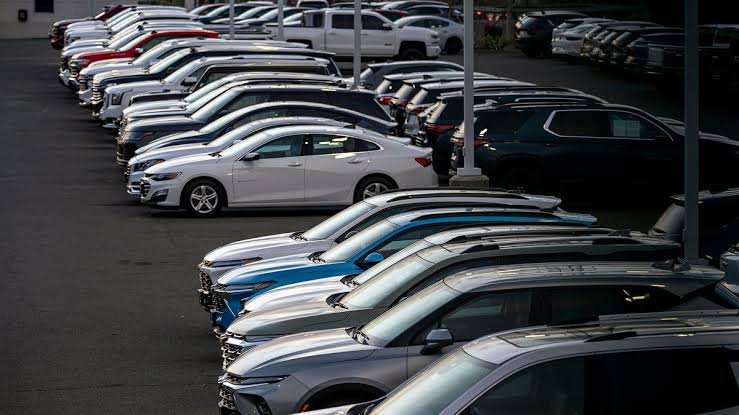
Iraq’s car sales decline reached 28.6% during the first half of 2026. Official dealerships sold 59,264 new vehicles during the period. The sharp decline reflects growing pressure on consumers and the wider Iraqi economy.
Automotive data provider Focus2move reported the figures on August 11. The results mark a major reversal after several years of strong market expansion. Iraq’s annual vehicle sales reached 158,076 units at their peak between 2021 and 2024.
Several economic factors appear to have contributed to the weaker market. Liquidity shortages have reduced purchasing power for many consumers. Delays in public-sector salaries have also affected household spending and confidence.
Economic uncertainty has added further pressure to the automotive market. Many consumers have postponed major purchases because of tighter household budgets. Cars remain an important purchase for Iraqi families, but affordability has become a larger concern.
Kia maintained its position as Iraq’s leading automotive brand during the first half. The company held a 28% share of the new vehicle market. However, Kia sales still fell 27.8% compared with the same period last year.
Toyota ranked second with a 22% market share. Its vehicle deliveries declined by 24% during the first six months. Nissan followed in third place after recording a 13.3% sales decline.
MG ranked fourth with an 8.9% market share. Its sales dropped 31.6% compared with the first half of 2025. Jetour took fifth place while recording one of the strongest performances among major brands.
Jetour’s sales increased by 29.2% despite the wider market contraction. The Chinese brand captured an 8.4% market share during the period. Great Wall Motor also recorded growth, with sales rising 6.9%.
Other major manufacturers faced much stronger declines. Hyundai experienced the sharpest contraction among major international brands. Its sales plunged 69.7% during the first half of 2026.
The electric vehicle market suffered an even larger setback. EV sales dropped 72% compared with the first half of 2025. Electric vehicles accounted for only 1% of Iraq’s total automotive market.
BYD remained the leading electric vehicle brand in Iraq. The Chinese automaker controlled 48.3% of the EV market. Toyota followed closely with a 43.4% share.
The car sales decline also extends beyond official dealerships. Market observers say Iraq’s used-car market has suffered an even larger contraction. Dealers estimate that used vehicle sales fell between 40% and 50% year-on-year.
The used-car slowdown reflects weaker consumer purchasing power. Many households have reduced spending on major purchases as financial pressures increase. Used vehicles typically offer lower prices, but demand has still weakened significantly.
The market downturn could affect dealers, importers, repair businesses, and other automotive companies. Lower vehicle sales can also reduce demand for financing, insurance, maintenance, and spare parts. These effects could spread beyond dealerships into other parts of the economy.
The car sales decline provides another sign of weaker consumer activity in Iraq. Vehicle purchases often reflect household confidence and access to disposable income. Continued weakness could therefore signal broader concerns about economic conditions.
However, some brands continue to expand despite the difficult environment. Jetour and Great Wall Motor both achieved year-on-year growth. Their performance suggests that consumers may be shifting toward specific brands and price segments.
Iraq’s automotive market now faces an uncertain second half of 2026. Economic conditions, salary payments, household liquidity, and consumer confidence will remain important factors. Changes in these areas could determine whether vehicle demand begins to recover.
For now, the 28.6% decline represents a significant setback for Iraq’s automotive industry. The figures also highlight the impact of broader economic pressures on consumer spending. Dealers may need to adjust pricing and financing strategies as market conditions evolve.