

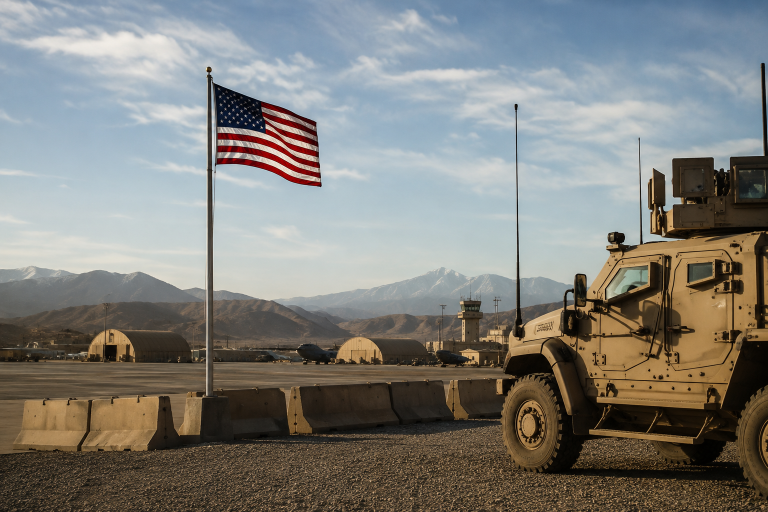
The United States has started a gradual withdrawal of its military forces from the Kurdistan Region as part of a long-planned transition in security cooperation. The US forces withdrawal from Kurdistan Region marks a new stage in relations between Baghdad and Washington after years of joint operations. Officials have emphasized that US forces withdrawal from Kurdistan Region does not signal an end to bilateral security cooperation.
Military convoys have departed from Erbil, the capital of the Kurdistan Region, in recent days. Reports indicate that personnel and equipment are moving toward neighboring countries under a phased redeployment plan. The withdrawal is taking place according to a scheduled timeline agreed upon by both governments.
The operation includes the continued transfer of troops, military vehicles, and equipment from American bases across the region. Each phase aims to ensure an orderly transition while maintaining coordination with Iraqi security authorities. The gradual approach is designed to avoid disrupting ongoing security operations.
Although military movements have increased, US officials have not released detailed public information about the latest redeployments. However, reports suggest that the remaining American forces will leave Iraq before the September 30 deadline established under previous agreements.
The withdrawal also includes the removal of key military assets from Erbil. Reports indicate that Patriot air defense systems have already been taken out as part of the broader redeployment process. These systems previously played a role in protecting military facilities from aerial threats.
The decision follows years of discussions between Baghdad and Washington about ending the mission of the US-led international coalition in Iraq. Both governments agreed to replace that mission with a new framework based on direct bilateral military and security cooperation. The updated approach focuses on long-term partnerships rather than a large foreign troop presence.
Despite reducing troop numbers, the United States has repeatedly stated that it will continue supporting Iraqi security forces. Future cooperation will include military training, intelligence sharing, and coordination against ISIS. American officials have stressed that these activities will continue under bilateral agreements instead of coalition operations.
The timing of the withdrawal comes during a period of heightened regional tensions. Recent military confrontations involving the United States and Iran have increased security concerns across the Middle East. In addition, repeated drone and missile attacks have targeted the Kurdistan Region, raising questions about future regional stability.
The phased transition reflects broader changes in the security relationship between the two countries. While the military footprint will become smaller, both governments continue to express support for ongoing cooperation against terrorism and regional threats. As the process continues, US forces withdrawal from Kurdistan Region represents a significant shift in the region’s security landscape while opening a new chapter in bilateral defense relations.