

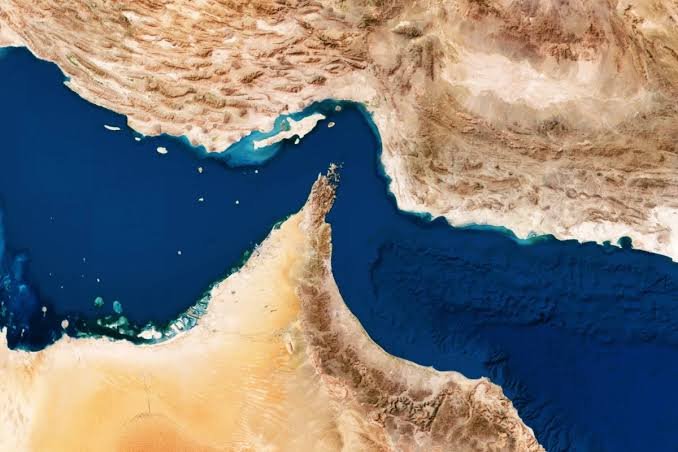
Iraq and Iran have intensified diplomatic consultations as tensions continue to affect the Strait of Hormuz developmentsand regional security. Iraqi Foreign Minister Fuad Hussein and Iranian Foreign Minister Abbas Aragchi held a phone conversation to review recent events and discuss efforts to reduce tensions. Both sides stressed the importance of dialogue as Strait of Hormuz developments continue to influence maritime trade and regional stability.
During the call, the two ministers reviewed the latest events in the strategic waterway over the past two days. They discussed the impact of recent incidents on maritime security and examined their broader consequences for the Middle East. Both officials agreed that maintaining stability remains a shared priority.
Fuad Hussein reaffirmed Iraq’s commitment to diplomacy as the best way to resolve disputes peacefully. He emphasized that constructive dialogue can help address unresolved issues while reducing the risk of further escalation. Iraq continues to support political solutions that strengthen security across the region.
The ministers also discussed recent military attacks that targeted Iraq. Hussein highlighted the need to prevent actions that could increase regional tensions or create additional security risks. He stressed that all parties should work together to avoid further instability.
During the conversation, Abbas Aragchi outlined Iran’s latest diplomatic efforts concerning the Strait of Hormuz. He briefed his Iraqi counterpart on ongoing negotiations aimed at reaching an agreement that would help restore normal maritime traffic. Those discussions seek to ensure the safe movement of commercial vessels through the important shipping corridor.
The Strait of Hormuz remains one of the world’s most critical energy routes. A significant share of global oil exports passes through the waterway every day. As a result, any disruption quickly affects international energy markets, shipping costs, and global trade.
Iraq continues to monitor developments closely because regional stability directly affects its economy and oil exports. Iraqi officials hope diplomatic efforts will lead to agreements that support the reopening of the Strait and restore confidence in international shipping. Stable maritime traffic remains essential for both regional and global economic activity.
Hussein also emphasized the importance of maintaining continuous communication between Baghdad and Tehran. Regular coordination, he said, can help strengthen mutual understanding and support peaceful solutions during periods of regional uncertainty. Diplomatic engagement remains central to Iraq’s foreign policy approach.
As negotiations continue, Iraq expects regional partners to pursue practical measures that encourage stability and secure international navigation. Officials believe successful dialogue could reduce tensions while supporting economic recovery across the region. For now, Strait of Hormuz developments remain a major focus for governments seeking to protect regional security and global energy supplies.
#Iraq #Iran #StraitOfHormuz #Diplomacy #MiddleEast