

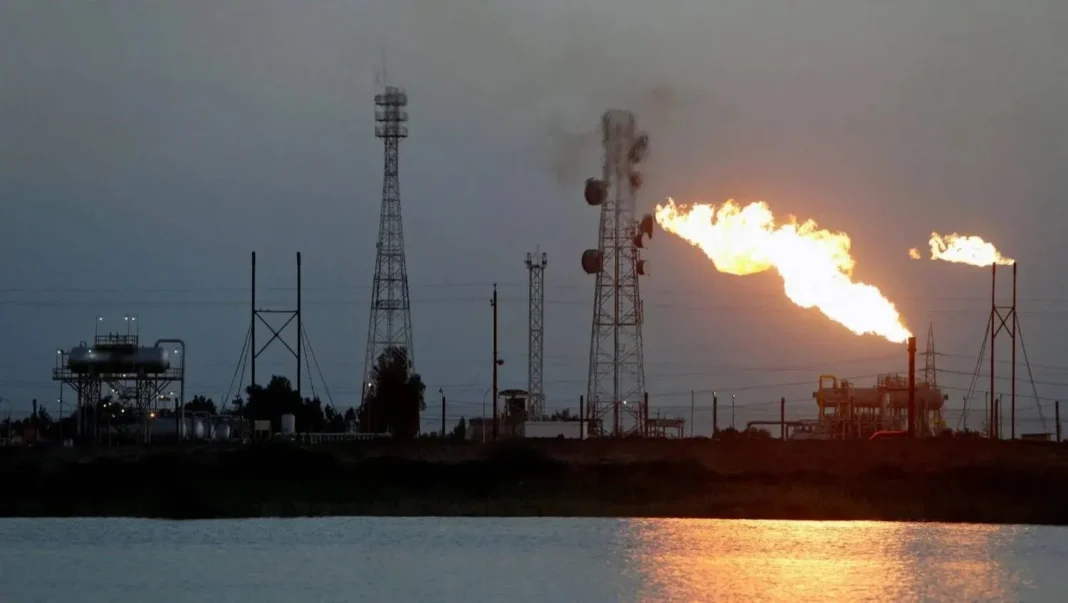
Iraq has introduced new discounts on Basrah crude discounts for August shipments as the country works to attract more international buyers. The pricing strategy comes amid growing concerns over shipping conditions in the Strait of Hormuz. By offering lower prices, Iraq hopes to maintain strong export activity despite rising transportation costs. The latest Basrah crude discounts reflect efforts to keep Iraqi oil competitive in global markets.
The State Organization for Marketing of Oil (SOMO) announced the temporary price reductions for customers purchasing Basrah Medium and Basrah Heavy crude. Buyers who sign term contracts can nominate their agreed volumes for loading from the Basrah Oil Terminal or other related port facilities. The move aims to encourage continued demand during a period of heightened regional uncertainty.
Under the new pricing structure, Basrah Medium crude received discounts ranging from $25 to $27 per barrel. The exact reduction depends on the scheduled loading period during August. Meanwhile, Basrah Heavy crude carries even larger discounts, ranging between $27.80 and $29.80 per barrel.
The revised pricing follows slower maritime activity through the Strait of Hormuz over the weekend. Reports of attacks involving commercial vessels prompted many shipping companies to increase security precautions. Consequently, vessel movements declined as operators evaluated safety conditions before entering the strategic waterway.
The Strait of Hormuz remains one of the world’s most important oil transit routes. A significant share of global crude exports passes through the narrow shipping corridor every day. Therefore, any disruption in the area quickly affects international energy markets and transportation costs.
Military activity across the region has increased concerns among shipping companies and insurers. Higher security risks have pushed maritime insurance premiums upward, making crude transportation more expensive. Freight charges have also increased as shipping firms adjust operations to changing conditions.
Iraq’s latest pricing strategy seeks to offset those additional costs for international buyers. By lowering the price of its crude, the country shifts part of the transportation risk to purchasers while preserving the attractiveness of its exports. Officials hope the discounts will encourage customers to continue lifting cargoes despite the challenging environment.
The decision also highlights Iraq’s commitment to protecting its oil export revenues. Oil remains the country’s primary source of government income, making uninterrupted exports a national priority. Competitive pricing can help sustain demand even when global shipping conditions become more difficult.
Energy analysts will closely watch buyer interest throughout August to measure the effectiveness of the discounts. Future pricing decisions may depend on security developments, freight costs, and overall demand in international oil markets. For now, the Basrah crude discounts demonstrate Iraq’s effort to maintain export momentum while responding to evolving regional challenges.