

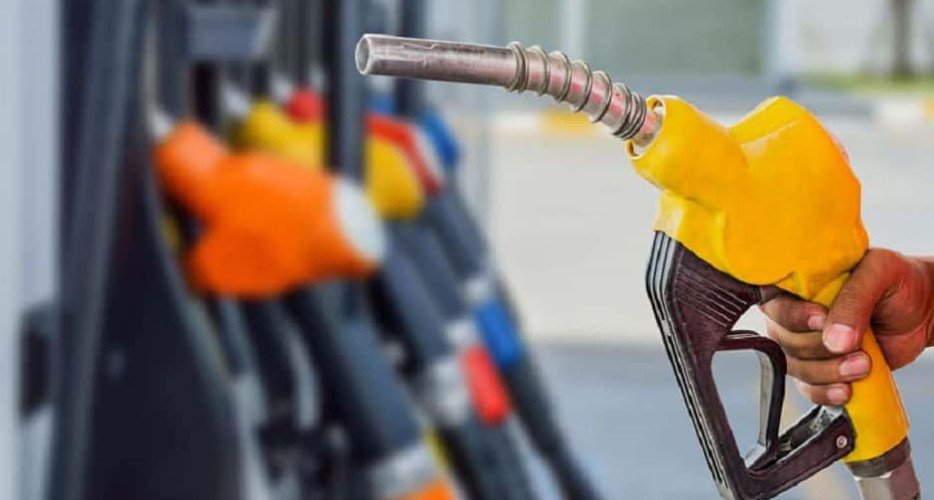
The Baghdad kerosene shortage has become more visible as long lines continue to form outside fuel stations across the Iraqi capital. Drivers now wait for extended periods in hopes of securing enough fuel, while the growing demand places additional pressure on the country’s energy network. Residents and businesses have expressed concern as the supply gap affects daily activities during one of the hottest periods of the year.
The fuel shortage has not remained limited to Baghdad. Several other Iraqi provinces have also reported similar difficulties in recent days. As temperatures continue to rise, electricity consumption has increased sharply. Many neighborhoods rely on private generators because of unstable public electricity, and these generators require significant amounts of kerosene to operate throughout the day.
Energy specialist Asem Jihad explained that seasonal demand has played a major role in the current situation. According to his assessment, higher fuel consumption by private generators has stretched available supplies beyond normal levels. The government continues to provide kerosene free of charge to licensed neighborhood generators as part of its effort to improve electricity access for residents. This policy supports households during frequent power shortages but also increases overall fuel consumption.
At the same time, Iraq’s refining sector faces additional challenges. Several refineries currently produce less fuel than usual because of maintenance work and limited production capacity. These factors have reduced the volume of kerosene available for distribution. As a result, supply has struggled to match the growing market demand.
The Baghdad kerosene shortage has also affected transportation and commercial activity around fuel stations. Long vehicle queues have become a common sight in many districts. Some drivers arrive early in the morning to improve their chances of obtaining fuel before supplies run low. Others spend hours waiting, creating congestion near service stations and slowing traffic in surrounding areas.
Business owners who depend on generators also monitor the situation closely. Restaurants, grocery stores, workshops, and small factories require reliable electricity to continue operating during daily power interruptions. Any disruption in fuel availability can increase operating costs and create uncertainty for local businesses that already face challenging economic conditions.
Government agencies continue to monitor fuel distribution across the country. Officials aim to balance the needs of electricity generation, transportation, and essential services while refinery production remains below full capacity. Energy experts believe supply conditions could improve after maintenance projects conclude and refinery output increases. However, strong summer demand may continue to place pressure on available fuel stocks for some time.
Consumers hope authorities will introduce measures that reduce waiting times and improve fuel availability. Efficient distribution, stronger refinery performance, and careful management of available supplies could help stabilize the market. Many citizens also expect continued investment in Iraq’s energy infrastructure to reduce similar shortages during future summer seasons.
For now, the Baghdad kerosene shortage remains one of the country’s most pressing energy concerns. As demand continues to exceed supply, both residents and businesses will closely watch government efforts to restore stability to the fuel market and ease the burden on communities across Iraq.