

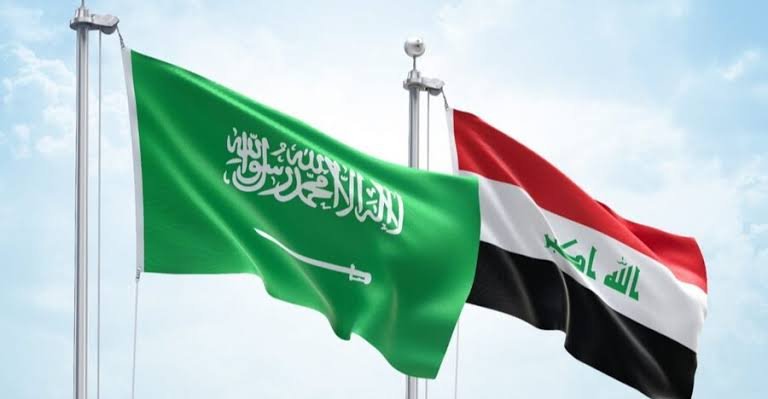
Iraq and Saudi Arabia discussed energy security and deeper economic cooperation during high-level talks in Riyadh. Iraqi Oil Minister Basim Khudair and Finance Minister Faleh al-Sari met Saudi officials on Friday. The discussions focused on energy, trade, electricity, and regional supply stability.
Iraq-Saudi energy cooperation could expand through greater coordination in the electricity and gas sectors. Saudi Energy Minister Abdulaziz bin Salman and Finance Minister Mohammed al-Jadaan joined the talks. Both sides examined ways to strengthen economic links and develop shared energy interests.
The ministers discussed opportunities for cooperation across several energy areas. These included gas production, electricity generation, and power distribution. They also considered measures that could improve Iraq’s domestic electricity network and reduce system inefficiencies.
Iraq also wants to strengthen its position within regional energy markets. The government plans to increase oil production significantly over the coming years. Officials are seeking greater flexibility within OPEC arrangements as production targets evolve.
Iraq-Saudi energy cooperation could support broader regional energy integration. Stronger connections between the two countries could improve electricity and gas trade. They could also create opportunities for investment in infrastructure and energy projects.
The Iraqi delegation also discussed expanding bilateral commerce with Saudi Arabia. Greater trade could help diversify Iraq’s economic partnerships beyond its traditional markets. Saudi investment could also support infrastructure and private-sector development in Iraq.
Energy security remained a central issue during the discussions. Iraq is seeking to reduce its dependence on the Strait of Hormuz for energy exports. The government wants to develop additional routes that can provide greater flexibility during regional disruptions.
One option involves increasing oil flows through Türkiye’s Ceyhan port. Iraq is also exploring alternative transportation routes through Jordan and Syria. These routes could provide additional access to international markets if maritime shipping faces further disruption.
Iraq-Saudi energy cooperation comes as regional countries seek stronger energy supply resilience. Recent instability has highlighted the risks associated with relying on limited transportation corridors. Diversifying export routes could therefore become increasingly important for Iraq.
The ministers also discussed regional security developments affecting energy markets. Both sides emphasized the importance of stable energy supplies. They also expressed support for maintaining stability across international oil markets.
For Iraq, stronger ties with Saudi Arabia could provide both economic and strategic benefits. Saudi Arabia has significant experience across oil, gas, electricity, and energy infrastructure. Greater cooperation could therefore support Iraq’s efforts to modernize its energy sector.
The discussions also fit within Iraq’s broader strategy to strengthen relations with Gulf countries. Baghdad has increasingly sought stronger economic links with regional partners. These efforts aim to attract investment and expand trade while reducing economic dependence on oil alone.
Improving Iraq’s electricity infrastructure remains another major priority. Cooperation in power generation and distribution could help address persistent shortages. Better grid efficiency could also reduce losses and improve the reliability of electricity supplies.
The talks in Riyadh show that energy cooperation now extends beyond oil production. Iraq and Saudi Arabia are considering a wider framework covering electricity, gas, infrastructure, trade, and regional energy security. Such cooperation could strengthen economic ties between the two countries.