

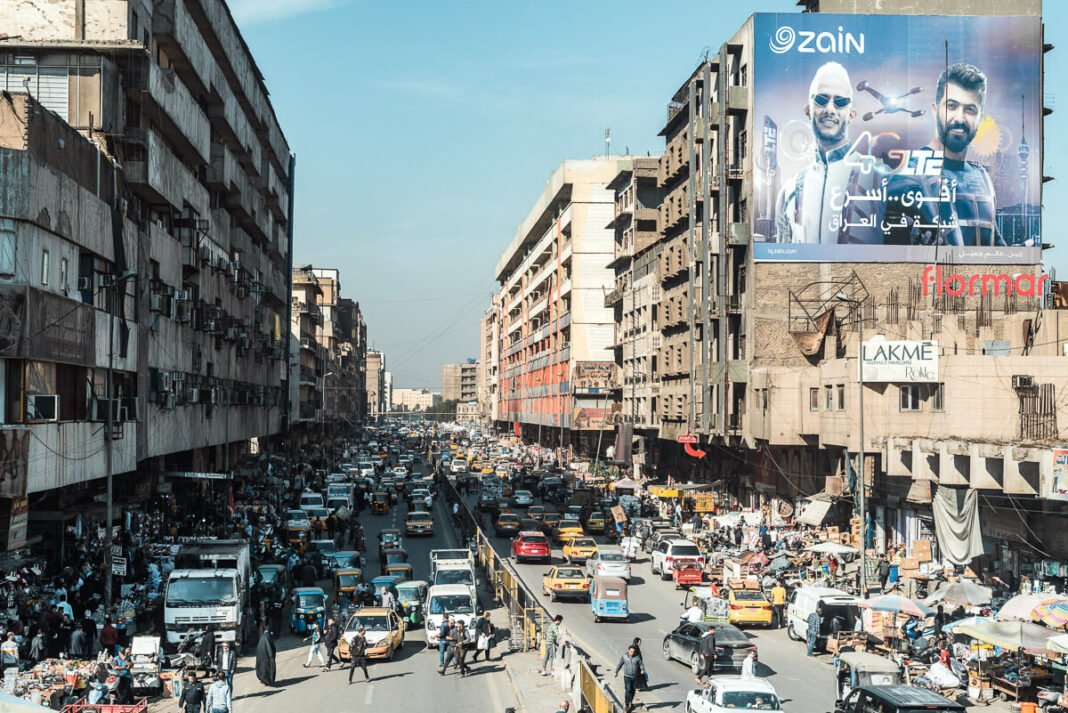
Iraq ranked 76th globally in a 2026 ranking based on GDP per capita and purchasing power parity. The country recorded GDP-PPP per capita of $15,359.60, according to Global Finance magazine. The ranking places Iraq among countries with relatively lower income levels worldwide.
Iraq GDP ranking contrasts sharply with the country’s large natural resource wealth. Iraq holds substantial oil reserves and remains one of the world’s major energy producers. However, its economy continues to depend heavily on oil revenues and government spending.
The ranking uses purchasing power parity to compare economic output between countries. PPP adjusts income figures based on differences in the prices of goods and services. This approach provides a broader comparison of living standards than nominal income alone.
Burundi ranked as the poorest country in the 2026 list. Its GDP-PPP per capita stood at $994.23. The Central African Republic followed with $1,437.72, while South Sudan recorded $1,467.19.
At the opposite end, Singapore ranked first in GDP-PPP per capita. The city-state recorded $164,317.89 per person. Luxembourg followed with $152,966.48, while Ireland reached $152,632.06.
Iraq GDP ranking also differs from another measure reported by the International Monetary Fund. In April, the IMF placed Iraq fifth among Arab economies for 2026 based on total GDP at purchasing power parity. The IMF estimated Iraq’s overall GDP-PPP at $739.1 billion.
The difference between these measures is important. GDP per capita divides economic output by population, while total GDP measures the size of the entire economy. A country can therefore rank highly by total economic output while ranking much lower on income per person.
Iraq’s population and large oil sector contribute significantly to its overall economic size. However, oil wealth does not automatically translate into high income for every citizen. Public-sector dependence, unemployment, infrastructure gaps, and limited economic diversification remain important challenges.
The figures also highlight the importance of economic diversification. Iraq has repeatedly sought to develop agriculture, manufacturing, tourism, technology, and other non-oil sectors. Expanding these industries could create more private-sector employment and reduce dependence on government spending.
Iraq GDP ranking provides another measure of the country’s economic position in 2026. The data shows a significant gap between Iraq and the world’s highest GDP-PPP per capita economies. It also demonstrates the difference between having a large national economy and achieving high income per person.
For Iraq, improving productivity and expanding non-oil economic activity could gradually strengthen living standards. Better infrastructure and stronger private-sector investment could also support that transition. The country’s long-term economic performance will depend heavily on how effectively it converts its resource wealth into broader economic opportunities.