

Iraq prepares to boost shipments as Iraq’s oil exports rise through a key northern route. Officials expect exports to reach 600,000 barrels per day. This increase follows the reopening of the Kirkuk-Ceyhan pipeline, a vital link to regional markets.
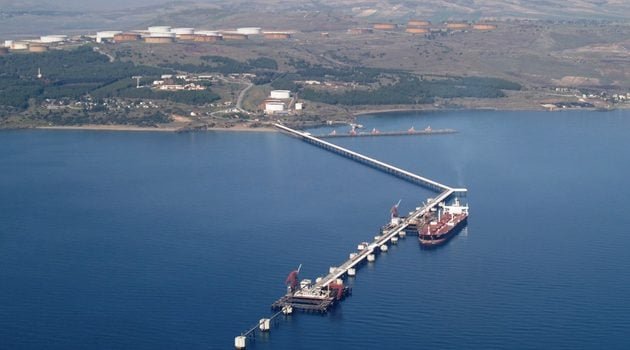
The Iraq oil exports rise as operations resume along the route passing through Fishkhabur. The pipeline connects Iraqi oil fields to the Turkish coast. It ends at Ceyhan oil terminal, a major export hub. This development strengthens Iraq’s ability to deliver crude beyond the Gulf.
Moreover, the decision comes during rising regional tensions. Shipping disruptions in the Strait of Hormuz have forced Iraq to adjust quickly. Officials now focus on alternative routes to protect export flows. Therefore, northern pipelines gain new importance in the national strategy.
In addition, the Iraqi Oil Ministry confirmed that operations will resume within days. Current exports through the pipeline stand at 200,000 barrels per day. However, authorities plan to increase this figure significantly. The target now reaches 600,000 barrels per day, which marks a sharp rise.
Furthermore, the pipeline holds a much larger capacity. Engineers designed it to handle about 1.6 million barrels per day. This gap shows strong potential for future expansion. As a result, Iraq can further increase exports if conditions allow.
Iraq’s oil exports also reflect a broader effort to diversify energy routes. Iraq depends heavily on southern ports for crude shipments. However, ongoing instability has highlighted the risks of relying on one route. By reopening the northern corridor, Iraq spreads risk and improves flexibility.
At the same time, officials continue to develop a comprehensive export strategy. They aim to maintain steady oil flows despite regional instability. This approach helps protect national revenue and supports economic stability.
Overall, Iraq takes a decisive step to strengthen its oil network. The reopening of this pipeline enhances export capacity and resilience. As operations scale up, Iraq positions itself to manage challenges and sustain global energy supply.