

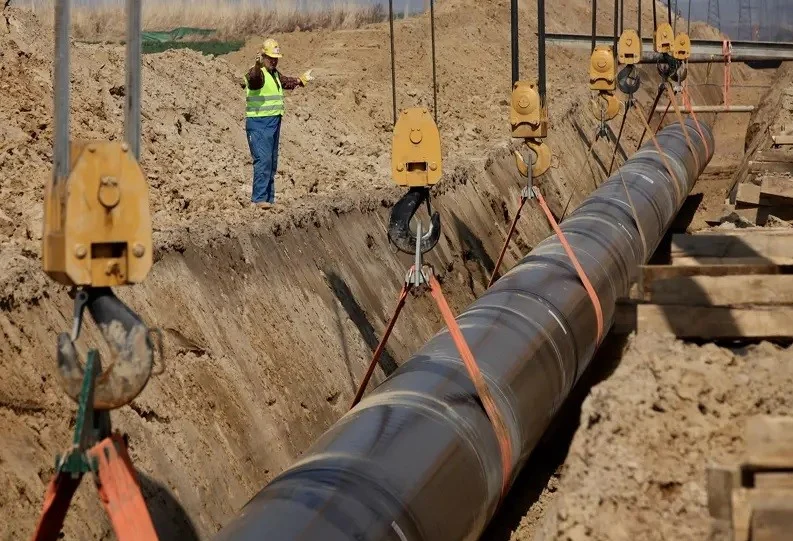
Iraq moves forward with a major energy strategy as officials study new export routes. The Iraq oil pipeline plan focuses on reducing risks linked to regional tensions. Leaders now examine a route that connects southern oil fields to the Red Sea.
The Iraq oil pipeline plan includes a proposed pipeline from Basra to Haditha. It will then extend toward Aqaba on the Red Sea coast. This route offers direct access to global markets beyond the Gulf region. It also reduces reliance on the Strait of Hormuz, which faces ongoing security concerns.
Moreover, officials confirm that the project carries strong economic potential. The pipeline aims to transport about 2.25 million barrels per day. Engineers designed it using 56-inch pipes to efficiently handle high volumes. The total project cost stands at 4.6 billion dollars. These figures highlight the scale and ambition behind the initiative.
In addition, the government continues to expand long-term export strategies. The Iraqi Oil Ministry leads these efforts to diversify oil outlets. Officials want to reduce pressure on southern export terminals. These terminals currently handle most of Iraq’s crude shipments.
Furthermore, the cabinet has already taken steps to advance the project. Authorities approved direct invitations to specialized companies for construction proposals. This move aims to speed up development and attract technical expertise. At the same time, planners seek to improve domestic oil transport networks.
The Iraq oil pipeline plan also supports wider economic goals. It will create a more stable export system and protect revenues from disruptions. By linking to the Red Sea, Iraq can reach European markets more easily. This shift strengthens the country’s global energy position.
However, challenges still affect progress. Political debates and infrastructure gaps continue to slow implementation. Despite this, officials maintain support for the project due to its strategic value.
Overall, Iraq continues to push forward with energy infrastructure upgrades. These efforts reflect a broader vision to modernize the oil sector. As planning continues, the pipeline could reshape Iraq’s export map and boost long-term stability.