

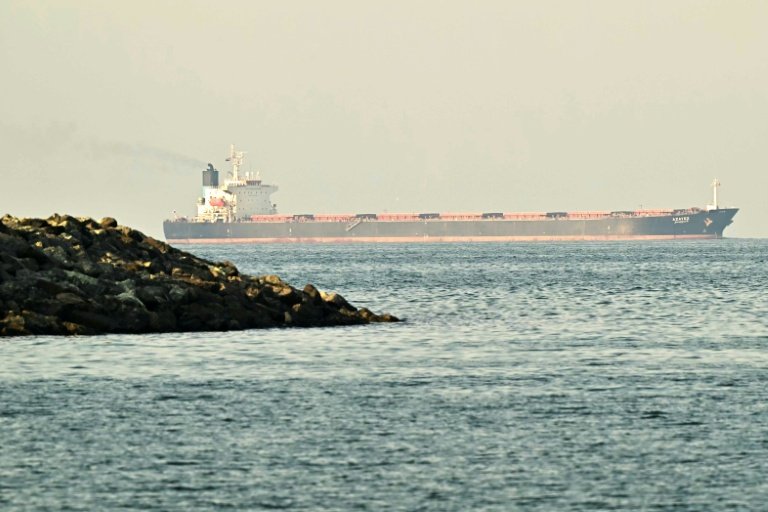
Iraq is negotiating with a German shipping company to secure safe passage through the Strait of Hormuz. The talks focus on transporting Iraqi crude using tankers flying the Iraqi flag. Baghdad wants to protect oil exports amid ongoing regional shipping restrictions.
The State Oil Marketing Organization is leading the discussions with the German company. Iraq requires chartered vessels involved in the arrangement to carry the Iraqi flag. An American shipping company reportedly rejected that condition, while the German firm accepted it.
Iraq Hormuz oil exports could benefit from an initial understanding between Baghdad and Tehran. Iran has agreed in principle to waive transit costs for Iraqi-flagged vessels. The arrangement would cover Iraqi crude shipments passing through the strategic waterway.
The proposal follows diplomatic efforts by Iraqi Parliament Speaker Haibat al-Halbousi. He held discussions with Iranian officials about special arrangements for Iraqi vessels. The talks focused on protecting Iraq’s economic interests during the current regional tensions.
However, Iraq still needs approval from the United States before completing the arrangement. Washington maintains restrictions affecting shipping, insurance, and transit activities connected to Iranian waters. Obtaining the necessary clearance could therefore determine whether the plan moves forward.
The Strait of Hormuz remains crucial to Iraq’s oil export system. A large share of Iraqi crude normally leaves through southern ports and travels through the waterway. Any disruption could therefore place significant pressure on Iraq’s export revenues and government finances.
Iraq Hormuz oil exports face additional challenges because international restrictions affect companies operating around the waterway. Shipping firms must consider insurance requirements and potential sanctions exposure. Baghdad therefore needs a carefully structured arrangement that satisfies all parties.
The Iraqi government has also approved a wider plan to diversify crude export routes. Prime Minister Ali al-Zaidi’s cabinet recently approved an emergency mechanism lasting three months. The plan will involve local and international companies beginning September 1.
The initiative aims to create additional options for moving Iraqi crude if regional shipping routes face further disruption. Alternative export arrangements could reduce Iraq’s dependence on a single maritime corridor. They could also provide greater flexibility during future regional crises.
Baghdad has also approved oil purchases under a special pricing arrangement. The government plans to purchase crude at a rate below SOMO’s official price. The arrangement includes an annual discount of 30%, according to the reported details.
The proposed German shipping agreement could therefore become part of Iraq’s broader emergency energy strategy. It would allow Iraqi-flagged tankers to continue operating through Hormuz under special arrangements. However, the final agreement depends on regulatory and diplomatic approvals.
Iraq Hormuz oil exports remain vital to the country’s economic stability. Oil revenues provide most of the government’s income and finance a large share of public spending. Any prolonged interruption could therefore create significant fiscal pressure.
Iraq’s efforts to secure shipping access also show the importance of developing alternative export routes. Expanding pipeline and overland options could reduce exposure to maritime disruptions. Baghdad has increasingly focused on this issue following recent regional instability.
The German shipping talks represent one immediate attempt to protect crude shipments. If the necessary approvals arrive, Iraqi-flagged tankers could gain a more predictable passage through Hormuz. The arrangement could help Baghdad maintain oil flows while it develops longer-term alternatives.