

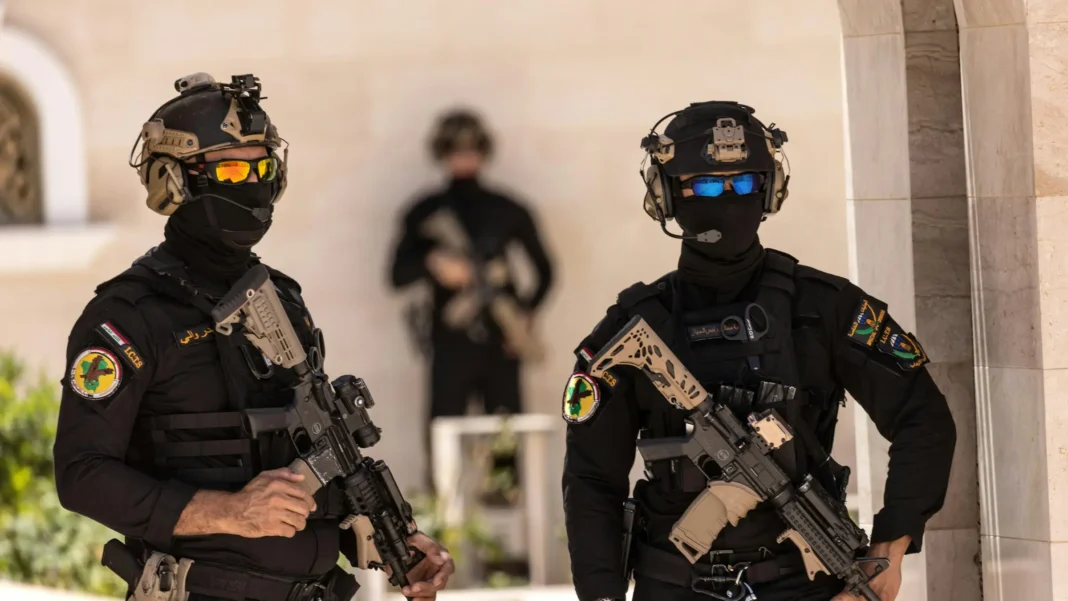
Iraqi intelligence leadership entered a new phase after Prime Minister Ali al-Zaidi announced a key security appointment. The decision places Falah Shaghati in charge of the Federal Intelligence and Investigations Agency on an acting basis. The move reflects the government’s ongoing efforts to strengthen national security institutions and improve oversight. It also comes during a broader period of administrative changes across several state agencies.
Falah Shaghati brings years of experience in Iraq’s security sector. He previously served as the assistant interior minister for intelligence under former Interior Minister Abdul Amir al-Shammari. His background includes intelligence coordination and security management. Those responsibilities helped shape his experience before taking on this new position.
The Federal Intelligence and Investigations Agency plays a central role in Iraq’s internal security system. The agency works to combat terrorism and disrupt organized crime networks. It also supports investigations into corruption and other serious criminal activities. Officials rely on the agency to gather intelligence and prevent threats before they develop.
In addition, the agency carries out preventive security operations across the country. Its teams identify criminal organizations and help dismantle their activities. The organization also contributes to anti-corruption efforts by supporting investigations involving public institutions. These responsibilities make it one of Iraq’s most important security bodies.
The agency works closely with the Iraqi National Intelligence Service. Together, they exchange information and coordinate operations against security threats. This cooperation strengthens national intelligence efforts and improves responses to complex challenges. Close coordination also helps authorities address risks more effectively.
The appointment arrives during a period of wider government restructuring. Officials have introduced several leadership changes within cabinet-level institutions. Many of these decisions connect to Operation Dawn, a nationwide campaign targeting corruption and financial misconduct. The campaign seeks to recover public funds and prevent the misuse of state resources.
Government leaders continue to emphasize accountability across public institutions. Security agencies also remain focused on protecting national stability while supporting legal investigations. Strong intelligence coordination remains essential as Iraq confronts terrorism, organized crime, and corruption. These priorities continue to shape the country’s security agenda.
Many observers expect Iraqi intelligence leadership to play an increasingly important role as reforms continue. Effective cooperation between intelligence agencies could improve operational efficiency and strengthen public confidence. The latest appointment signals the government’s intention to maintain momentum in security reforms. As new leadership takes responsibility, attention will remain on future developments within Iraq’s intelligence community and the progress of Operation Dawn. Iraqi intelligence leadership will likely remain a key topic as these reforms move forward.