

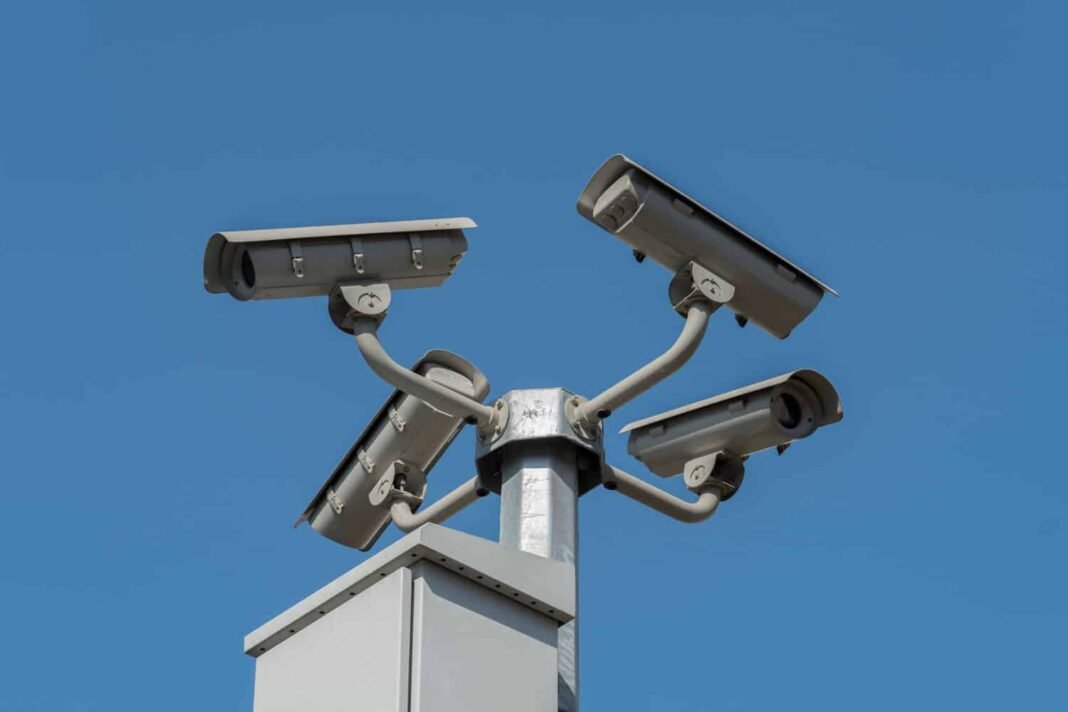
Baghdad surveillance camera system continues to play a larger role in Iraq’s security plans for the capital. Baghdad Operations Command confirmed that advanced surveillance technologies now help authorities improve stability, reduce traffic congestion, and strengthen crime detection across the city.
Security officials said the new strategy marks a major shift in Baghdad’s security operations. Authorities now rely more on intelligence efforts and digital monitoring systems. They also reduced dependence on fixed checkpoints across the capital. Officials believe this approach improves security while reducing pressure on residents and drivers.
Lieutenant General Walid Khalifa al-Tamimi, commander of Baghdad Operations Command, explained the new system in a statement to Iraqi media. He said surveillance cameras now operate through advanced centralized control centers. These centers monitor movement across Baghdad in real time. Security teams can quickly respond to suspicious activity and emergency situations.
The Baghdad surveillance camera system also supports traffic management in crowded districts. Authorities said the technology has improved vehicle movement on several major roads. Officials can now identify congestion faster and organize traffic more efficiently. The monitoring network also helps reduce delays during busy hours.
Security officials stressed that fewer checkpoints have improved daily transportation inside Baghdad. Residents previously experienced long waiting times at security barriers. The new strategy aims to maintain strong security measures without disrupting traffic flow across the city.
According to Baghdad Operations Command, surveillance systems have already helped solve many criminal cases. Investigators used camera footage to identify suspects and trace criminal activity. Authorities confirmed that several offenders were arrested after reviewing surveillance data from different parts of Baghdad.
The Baghdad surveillance camera system forms part of a wider modernization plan inside Iraq’s security institutions. Iraqi authorities increasingly use advanced technologies to strengthen urban security and improve coordination between law enforcement agencies. Officials believe digital systems provide faster and more accurate information during operations.
Security experts say centralized control centers improve communication between security units. These systems allow authorities to monitor large areas at the same time. Officials can also respond faster to emergencies and security threats. Connected camera networks help protect sensitive areas and crowded public spaces.
Baghdad officials confirmed that technology will remain central to future security planning. Authorities expect surveillance systems and intelligence tools to expand further in the coming years. Iraqi security agencies believe modern technologies will help strengthen long-term stability and public safety across the capital.