

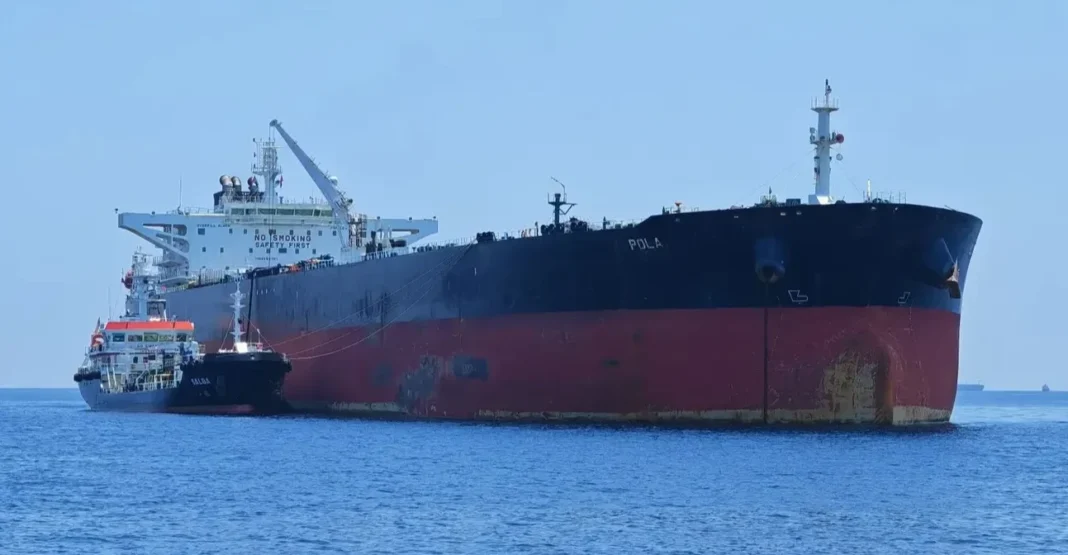
Iraq has intensified diplomatic efforts to safeguard Iraq oil tanker passage through the Strait of Hormuz as regional tensions continue to affect maritime trade. Government officials are holding discussions with Iran to secure uninterrupted crude shipments and protect one of the country’s most important export routes. The latest negotiations highlight Iraq’s commitment to maintaining Iraq oil tanker passage despite ongoing security challenges.
Oil Minister Bassem Mohammed Khudair said Iraqi officials remain optimistic that ongoing talks with Iran will produce positive results in the coming days. The discussions aim to guarantee the safe movement of Iraqi oil tankers through the strategic waterway without unnecessary disruptions.
The minister explained that political and economic negotiations have taken place alongside Prime Minister Ali al-Zaidi’s recent diplomatic engagements. Iraqi representatives have focused on strengthening regional cooperation while addressing issues that could affect energy exports. Baghdad hopes these discussions will lead to practical agreements that support stable oil transportation.
Earlier, government officials said they had received indications that Iraqi tankers could receive special consideration during the regional crisis. However, those expectations have not yet been realized. Iraqi authorities continue working with Iranian officials to find mutually acceptable solutions that protect commercial shipping.
The Strait of Hormuz remains one of the world’s busiest energy corridors. A significant share of global oil exports passes through the narrow waterway each day. Because of its strategic importance, any disruption can quickly affect international energy markets and shipping costs.
In addition to discussions with Iran, Iraq recently expanded energy cooperation with Turkey. The two countries signed a one-year agreement to continue oil transportation through the northern export route while negotiating a broader long-term framework. The agreement supports Iraq’s strategy to diversify export options and reduce dependence on a single shipping corridor.
Khudair said the government plans to increase crude exports through the northern pipeline network to more than 700,000 barrels per day. Expanding that route would strengthen Iraq’s export capacity while providing greater flexibility during periods of regional uncertainty.
Beyond energy issues, Iraqi officials are also working to strengthen economic partnerships with neighboring countries. Recent diplomatic meetings have included discussions on investment opportunities and several memorandums of understanding covering different sectors. The government views regional cooperation as an important driver of long-term economic growth.
As negotiations continue, Iraq remains focused on protecting its energy sector while strengthening regional partnerships. Officials believe successful diplomacy will help maintain stable exports and support economic growth despite ongoing geopolitical challenges. For now, securing Iraq oil tanker passage remains one of Baghdad’s highest priorities as it works to preserve reliable access to global energy markets.