

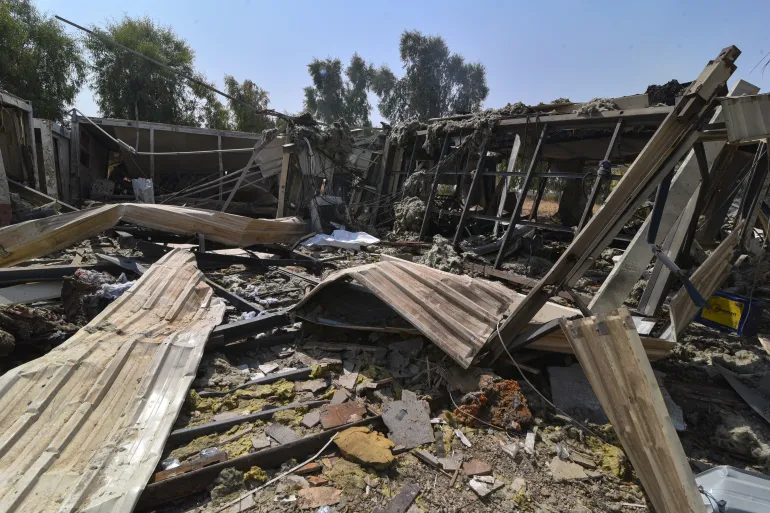
Iraq airstrikes intensified regional tensions after joint military operations by the United States and Saudi Arabia targeted militia positions across several Iraqi provinces. The strikes triggered conflicting reactions from military officials and armed groups while raising new concerns about regional stability. Authorities continue assessing the impact as investigations and damage evaluations remain underway. Officials have not yet released a comprehensive Iraqi government assessment of the incident.
According to the US Central Command (CENTCOM), American and Saudi forces carried out coordinated airstrikes against positions described as Iran-backed militia facilities. Military officials said the operation targeted logistical centers and weapons storage sites in eastern and northern Iraq. CENTCOM stated that the strikes responded to a series of drone attacks launched during the previous 72 hours. Those attacks reportedly targeted US military facilities and Saudi energy infrastructure.
Saudi Arabia confirmed its participation in the military operation. Saudi officials stated that the strikes formed part of defensive measures following drone attacks against oil facilities in Riyadh and the Eastern Province. The Kingdom said it sought to protect its national security while avoiding further regional escalation. The announcement marked a rare acknowledgment of direct military action inside Iraq.
The Popular Mobilization Forces (PMF) reported that the strikes targeted official facilities in Baghdad, Wasit, Nineveh, Basra, Kirkuk, Karbala, and Diyala. The organization said at least 20 members died and 32 others suffered injuries during the attacks. PMF officials described these figures as preliminary because rescue teams continue search operations and damage assessments. They indicated that casualty numbers could increase as investigations continue.
The PMF also reported damage to military facilities, vehicles, and equipment at several locations. Officials established specialized committees to inspect affected sites and verify information from each province. The organization announced that it will publish comprehensive reports after completing the assessment process. Recovery efforts continue across all targeted areas.
PMF leaders strongly criticized the military operation and described it as a violation of Iraq’s sovereignty. The group accused the United States and Saudi Arabia of coordinating attacks against its positions. Local PMF officials in Nineveh and Basra also confirmed casualties among their members. The organization called the strikes a serious escalation of regional tensions.
Iranian officials rejected accusations linking Tehran to the reported drone attacks. They denied responsibility for the incidents and dismissed the allegations made by Western officials. Meanwhile, regional tensions remain high as governments continue exchanging statements following the military operation. Diplomatic reactions are expected to continue in the coming days.
The latest Iraq airstrikes highlight the growing security challenges facing the region. Military operations, regional rivalries, and ongoing security threats continue shaping developments across Iraq and the wider Middle East. Iraqi authorities are expected to conduct further assessments before issuing a detailed official report. As investigations continue, Iraq airstrikes will remain a major focus of regional security and diplomatic discussions.