

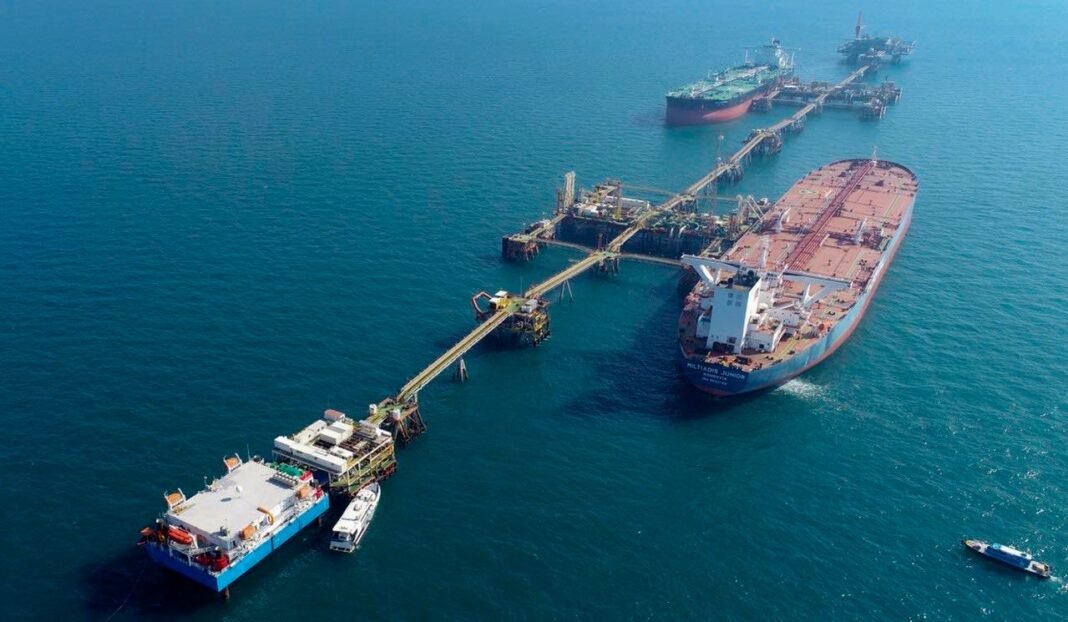
Iraq oil exports continued to generate strong revenue during May and June 2026, highlighting the country’s important position in the global energy market. Fresh figures released by Iraq’s Oil Ministry showed that crude shipments remained steady across the country’s main export routes. The latest numbers also reflected the contribution of both southern and northern production fields. As international demand for crude continues, Iraq aims to maintain reliable supply while supporting national income through energy sales.
The Oil Ministry announced that Iraq earned approximately $2.34 billion from crude oil and condensate exports during the two-month period. According to data published by the State Organization for Marketing of Oil (SOMO), total exports reached 32.11 million barrels between May and June. These shipments represented crude produced from several major oil-producing regions across the country.
Basra remained the largest contributor to the country’s exports during the reporting period. Oil fields in southern Iraq supplied 20.24 million barrels, reinforcing the province’s role as the backbone of Iraq’s petroleum industry. The southern export network continued to handle the majority of national shipments while supporting Iraq’s position as one of OPEC’s leading producers.
Northern Iraq also played an important role in the latest export figures. SOMO reported that 10.31 million barrels of Kirkuk crude moved through Turkiye’s Ceyhan export terminal during May and June. The route remains one of Iraq’s most important gateways for northern oil reaching international markets. Continued activity through Ceyhan helps diversify Iraq’s export channels and strengthens regional trade connections.
In addition, the Kurdistan Region contributed 1.56 million barrels through the same Turkish terminal. This volume formed part of the country’s overall export performance during the two-month period. Combined shipments from Kirkuk and the Kurdistan Region demonstrated the continued importance of northern production alongside southern operations.
Iraq oil exports remain the country’s primary source of public revenue and foreign currency earnings. Oil sales continue to finance government spending, infrastructure projects, and economic development plans. As a result, production levels and export performance receive close attention from policymakers, investors, and global energy markets.
Iraq currently holds the position of OPEC’s second-largest oil producer, making its export performance significant beyond its borders. Market participants closely monitor Iraqi production because changes in supply can influence global oil prices. Stable exports also support the country’s reputation as a dependable supplier to international customers.
Officials continue working to improve export capacity and strengthen logistics across multiple production regions. Investments in infrastructure and transportation remain essential for sustaining future growth. Expanding export efficiency could also help Iraq respond more effectively to shifts in global energy demand while maximizing the value of its natural resources.
The latest figures indicate that Iraq maintained consistent export activity despite changing market conditions. Strong performance from Basra, combined with shipments through the Ceyhan terminal, allowed the country to deliver substantial volumes over the two-month period. Looking ahead, Iraq oil exports will likely remain a central pillar of the national economy as the government continues to rely on energy revenues to support economic growth and fiscal stability.
Iraq exported 32.11 million barrels of crude and condensates during May and June 2026, generating about $2.34 billion. Basra led shipments, while Kirkuk and the Kurdistan Region also contributed through Ceyhan.