

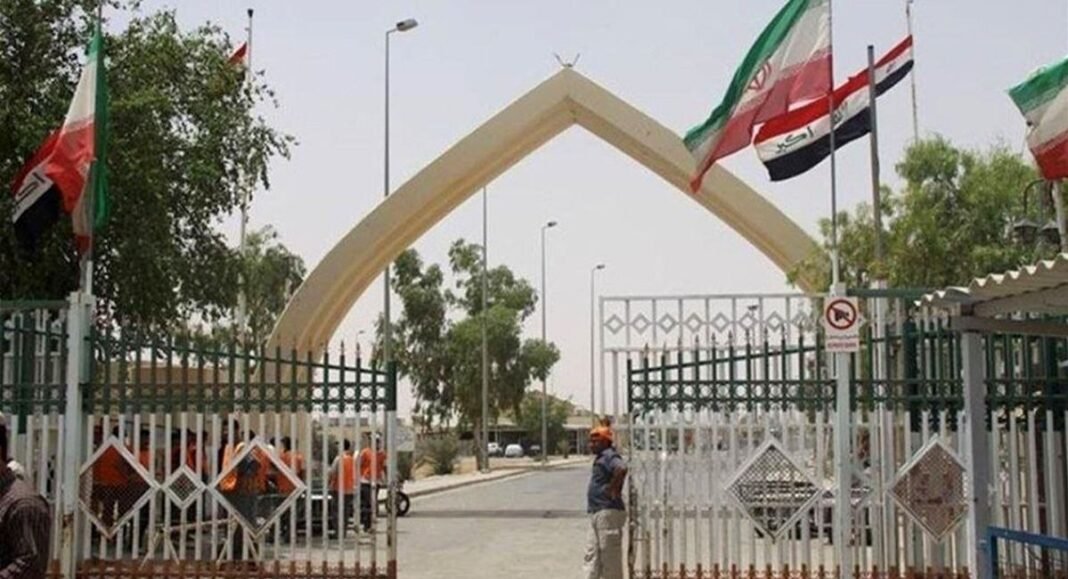
Iraq Iran trade recorded a significant decline during the first quarter of 2026, reflecting major changes in commercial activity between the neighboring countries. New customs data shows that Iraq imported considerably fewer goods from Iran compared with the same period last year. Despite the sharp drop, Iran continued supplying several important industrial, energy, and consumer products to the Iraqi market. The latest figures highlight changing trade patterns as Iraq continues to diversify its economy and import sources.
According to official customs statistics, Iraq imported goods worth approximately $2.3 billion from Iran during the first three months of 2026. During the same period in 2025, imports reached around $5.1 billion. This represents a decline of nearly 55 percent in total import value over one year. The figures indicate a substantial slowdown in cross-border trade between the two countries.
Petroleum gases and other gaseous hydrocarbons remained Iraq’s largest import category from Iran. These energy products accounted for roughly $351 million in imports during the quarter. Energy supplies continue to play an important role in trade relations despite the overall decline. Iraq still depends on some imported energy products to support domestic demand.
Industrial materials also represented a significant share of imports. Iron bars, non-alloy steel wire, and related steel products reached approximately $159 million. These materials support construction projects, manufacturing activities, and infrastructure development across Iraq. Demand for industrial supplies remains an important part of bilateral trade.
Agricultural goods continued to enter Iraqi markets as well. Imports included fresh apples, pears, and quinces valued at about $78 million. Ceramic tiles followed closely with imports worth approximately $77 million. These products remain widely used by Iraqi consumers and the construction sector.
Household products and plastic materials also appeared among the leading imported goods. Plastic kitchenware and household items totaled nearly $60 million, while polyethylene polymers reached about $59 million. Additional imports included primary iron, steel products, food commodities, and various industrial materials. Together, these products continue supporting different sectors of Iraq’s economy.
The latest figures suggest that Iraq Iran trade is undergoing noticeable changes. Shifting market conditions, evolving economic policies, and efforts to diversify supply sources may have contributed to the decline. Although import values have decreased, commercial ties between the two countries remain significant across several sectors. Energy, manufacturing, agriculture, and consumer goods continue to shape bilateral trade.
Looking ahead, analysts will closely monitor whether imports recover during the remaining months of 2026. Future trends will depend on market demand, regional economic conditions, and trade policies. Businesses in both countries will also watch developments that could influence cross-border commerce. Iraq Iran trade will remain an important indicator of regional economic activity and commercial cooperation.