

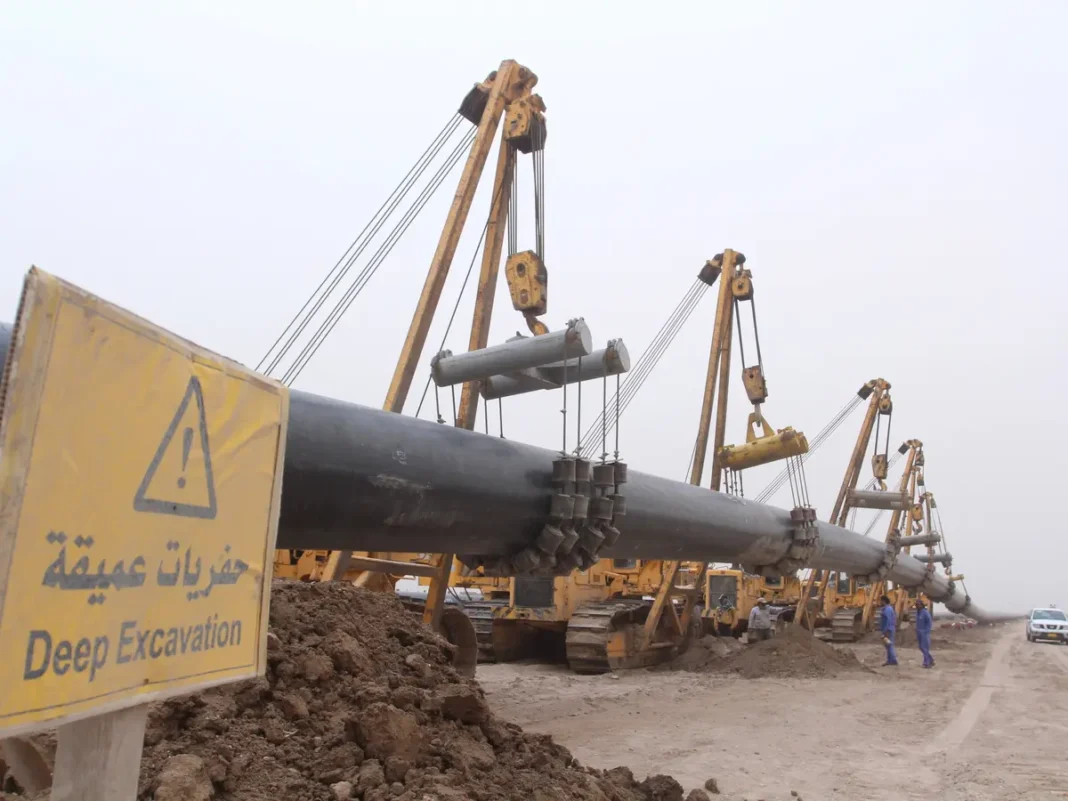
Iraq Turkmen gas deal has encountered fresh uncertainty after the United States reportedly opposed Baghdad’s proposal to transport Turkmen natural gas through Iran. The development creates another challenge for Iraq as it seeks reliable fuel supplies for electricity generation. Government officials continue searching for solutions to address growing energy demand and reduce pressure on the national power grid. The issue also highlights the impact of regional politics on Iraq’s energy strategy.
According to sources familiar with the discussions, US officials linked progress on the agreement to broader political negotiations involving Iran. The position emerged during meetings in Washington attended by a government delegation accompanying Prime Minister Ali al-Zaidi. The delegation included Electricity Minister Ali Wahib and Oil Minister Basim Khudair. Their talks focused on strengthening economic and energy cooperation between Iraq and the United States.
Despite discussions covering several areas of cooperation, the proposed gas transit route through Iran became a major point of disagreement. American officials reportedly expressed concerns about implementing the arrangement under current regional conditions. As a result, Iraq now faces additional hurdles in securing fuel supplies needed to operate its power stations. The issue arrives at a time when electricity demand continues to increase across the country.
Regional tensions have added further complexity to the situation. Recent military confrontations involving the United States and Iran have increased uncertainty throughout the Middle East. Rising security concerns in the Arabian Gulf and around the Strait of Hormuz have also affected regional energy markets and transportation routes. These developments continue influencing energy planning throughout the region.
Iraq first signed a memorandum of understanding with Turkmenistan in 2023 to import natural gas for electricity production. Officials explained at the time that transporting the gas would require further negotiations because the proposed route passes through Iranian territory. Those logistical arrangements remain essential before the project can move forward.
The planned agreement aims to supply Iraq with an average of 20 million cubic meters of natural gas per day. Officials view the additional supply as an important step toward improving electricity production and reducing fuel shortages. The arrangement also includes provisions allowing Iran to receive a portion of the gas transported across its territory as part of the transit process.
Iraq currently relies heavily on imported Iranian gas to operate many of its power plants. Those imports account for roughly one-third of the country’s electricity fuel requirements. Diversifying gas supplies remains a priority as Iraq works to strengthen energy security and reduce the risk of supply disruptions. Expanding energy partnerships could also improve long-term stability within the electricity sector.
Looking ahead, the future of the Iraq Turkmen gas deal will likely depend on diplomatic discussions and regional developments. Iraqi officials continue seeking practical solutions that balance energy needs with international considerations. Successful negotiations could help strengthen electricity production and improve energy reliability. Until then, the Iraq Turkmen gas deal remains an important issue for Iraq’s energy future.