

Iraq faces a growing threat to wildlife as drought, pollution, and habitat damage intensify. The Iraq wildlife extinction risk now affects 134 land and aquatic species, a rights organization says. The Strategic Center for Human Rights links the danger to several overlapping environmental pressures. Those pressures reach beyond protected habitats and affect food production, livelihoods, and local economies. Its warning underscores how environmental damage can reshape daily life across vulnerable rural communities.
Long droughts, rising temperatures, desertification, and lower river flows have strained Iraq’s ecosystems. The Tigris and Euphrates provide water for wetlands, farms, fisheries, and numerous animal populations. Reduced flows leave less habitat for species that depend on rivers, marshes, and seasonal water sources. Illegal hunting adds further pressure, especially on rare animals and birds during migration periods. Climate disruption can compound these threats because stressed ecosystems recover more slowly from human damage.
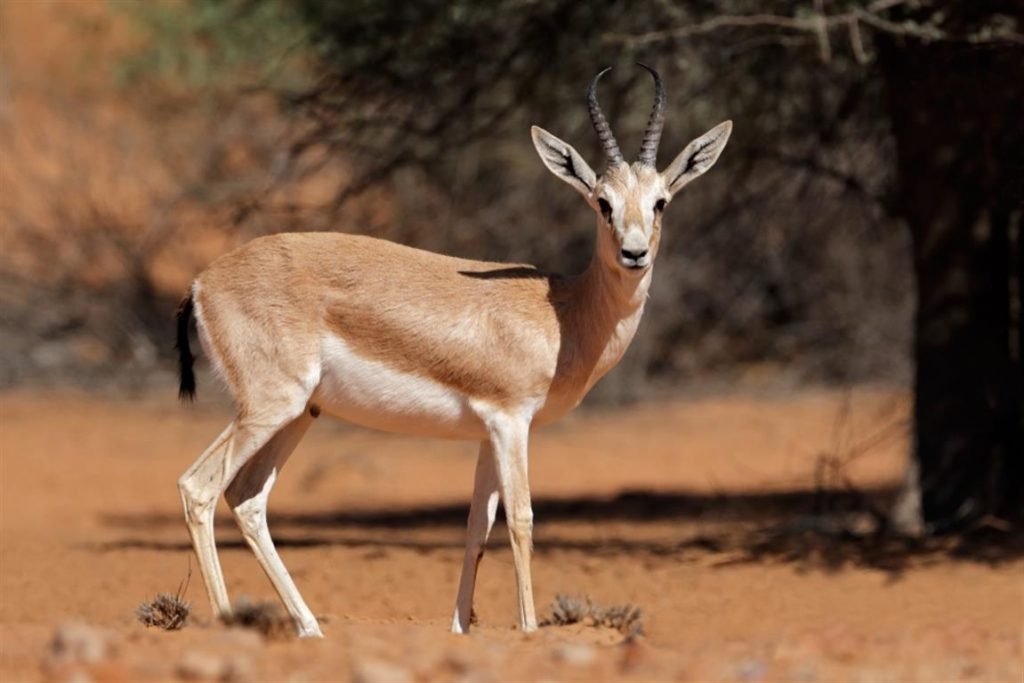
The threatened mammals include goitered gazelles, mountain ibexes, Iraqi wolves, striped hyenas, and marsh otters. Sand foxes and wildcats also appear among the species facing mounting pressure. Several bird species face serious risks, including Asian houbara, northern bald ibis, Egyptian vultures, and imperial eagles. The Iraq wildlife extinction risk also extends to native fish and freshwater turtles. These species form part of ecological systems that support people as well as wildlife.
Iraq’s southern marshes play an especially important role in this environmental crisis. The wetlands host migrating birds and support communities that rely on fishing, farming, and livestock. UNESCO recognizes the marshes as a World Heritage Site, yet drought has weakened them. Years of limited water supplies have reduced wetland areas and disturbed sensitive habitats. The result is a sharper Iraq wildlife extinction risk in one of the region’s key ecosystems.
The group called on authorities to enforce laws against illegal hunting more firmly. It also urged Iraq to expand protected areas and restore damaged marshland. Officials should pursue larger water releases to rivers and wetlands, the organization said. A national conservation program could coordinate protection for species before losses become permanent. Stronger action may help safeguard biodiversity while supporting food security and rural incomes.