

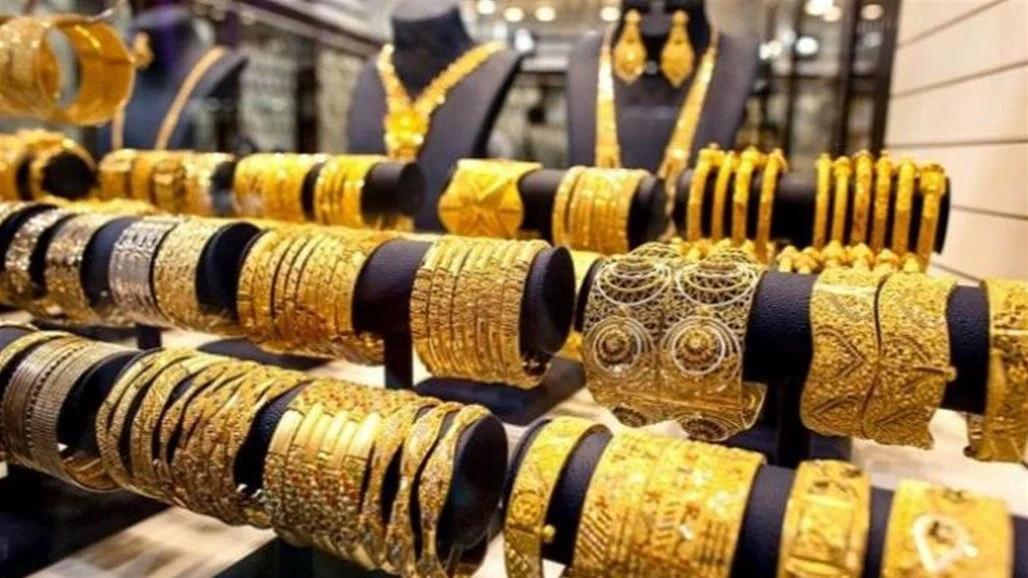
Gold prices in Baghdad and Erbil moved lower on Monday, reflecting weaker trading across the country’s main bullion markets. Dealers reported noticeable declines in both the capital and the Kurdistan Region as buyers watched the latest price movements closely. The change followed stronger prices recorded a day earlier, encouraging many shoppers and investors to monitor the market before making new purchases.
Traders in Baghdad’s well-known Al-Nahr Street said 21-carat imported gold recorded a selling price of 848,000 Iraqi dinars per mithqal, equal to five grams. Buying prices reached 844,000 dinars during the same trading session. On Sunday, the same category sold for 856,000 dinars, showing a clear daily decline. The latest figures attracted attention from jewelry buyers and market observers.
Local Iraqi 21-carat gold also traded at lower levels. Sellers offered one mithqal for 818,000 Iraqi dinars, while buyers paid around 814,000 dinars. Although the difference appeared modest, it reflected the broader downward direction across the gold market. Many traders continued to monitor international price movements because they often influence domestic rates.
Jewelry stores across Baghdad displayed slightly different prices depending on craftsmanship and brand reputation. Imported Gulf gold generally sold between 850,000 and 860,000 dinars per mithqal. Meanwhile, Iraqi-made gold ranged from 820,000 to 830,000 dinars. Retailers said customer demand remained steady despite the recent decline, with many visitors comparing prices before completing purchases.
Gold prices in Baghdad and Erbil also showed varying rates between cities because local supply and retail conditions differ. In Erbil, 22-carat gold reached 900,000 Iraqi dinars per mithqal during Monday’s trading. Dealers priced 21-carat gold at 860,000 dinars. They also offered 18-carat gold for 736,000 dinars, giving buyers several options based on budget and preference.
Market participants continue to watch both domestic demand and global gold trends for clues about future pricing. International bullion values, exchange rates, and regional buying activity often shape local market performance. Any significant movement in those factors can quickly influence prices inside Iraq. As a result, traders frequently adjust their quotations throughout the trading day.
Many buyers view temporary price declines as opportunities to purchase jewelry or investment pieces. Others prefer to wait for additional changes before committing to larger purchases. This cautious approach has become common during periods of market volatility. Retailers expect trading activity to remain active as customers respond to daily price updates.
Gold prices in Baghdad and Erbil will likely remain under close observation throughout the week. Investors, jewelers, and consumers all rely on daily market reports when making financial decisions. While short-term fluctuations remain common, market participants expect prices to continue responding to both international developments and local demand. The coming sessions will reveal whether Monday’s decline marks a brief correction or the beginning of a broader trend.