

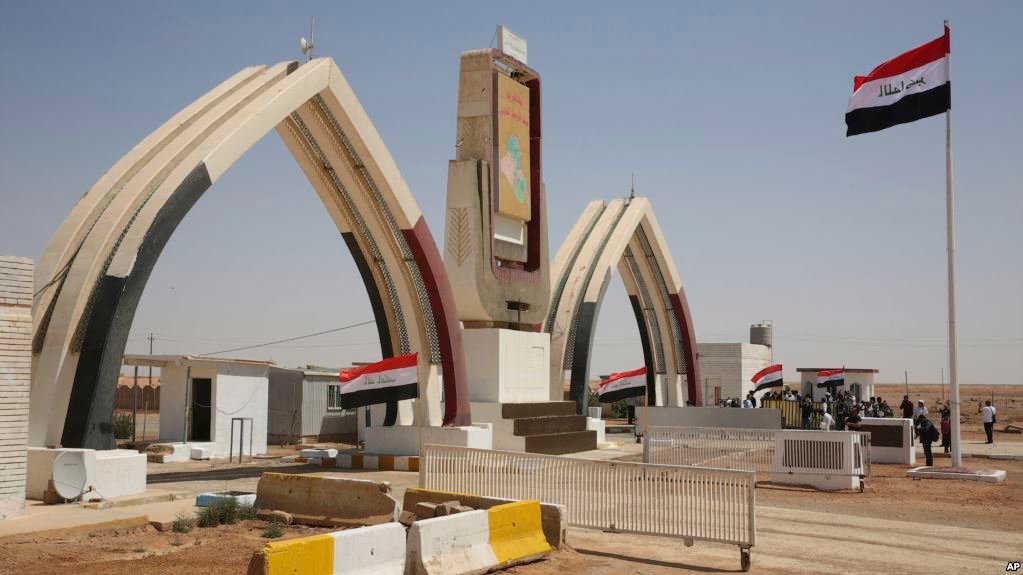
Anbar border revenue reached 109 billion Iraqi dinars during June, according to the province’s local government. The strong result reflects higher trade activity across Anbar’s major border crossings. Officials linked the growth to rising commercial transport and stronger regional trade connections. They also expect this momentum to support local development in the coming months.
The Anbar provincial government announced that its four main border crossings generated a combined 109 billion Iraqi dinars during June. Officials described the figure as one of the province’s strongest monthly performances. They credited the increase to growing commercial movement and efficient border operations. The result also highlights the province’s expanding role in Iraq’s trade network.
Government spokesperson Muaid Al-Dulaimi explained that customs income rose because of a significant increase in cross-border trade. More cargo trucks crossed the province during the month. Regional transport routes also handled larger volumes of goods. As a result, customs collections continued to climb.
Trade between neighboring countries and the Arabian Gulf supported this growth. Overland transport routes remained active throughout June. Businesses relied more on land shipments to move products across the region. Consequently, border crossings in Anbar experienced continuous commercial activity.
Governor Omar Mishaan Dabbous instructed border authorities to improve services for transport companies. He asked officials to simplify customs procedures and reduce delays. Faster processing helped cargo trucks move more efficiently. These measures also strengthened confidence among commercial operators.
At the same time, provincial authorities continued their work without additional financial support from Baghdad. Local officials relied on administrative planning and available resources. They focused on keeping trade flowing despite budget challenges. Their efforts allowed border operations to remain efficient.
The latest figures also increased total customs income for May and June. Together, the province collected around 200 billion Iraqi dinars during the two-month period. This performance demonstrates consistent financial growth. It also reflects increasing demand for Iraq’s western trade routes.
Economic observers believe Anbar benefits from its strategic location. The province serves as a major land gateway linking Iraq with neighboring countries. Many transport companies now prefer these routes because regional shipping conditions remain uncertain. This trend has created new opportunities for trade and customs revenue.
Officials believe stronger customs income can support future investment across the province. Local authorities plan to direct additional funds toward public services and infrastructure projects. Better roads and transport facilities could improve commercial activity even further. These improvements may also attract more investment into Anbar.
Businesses continue to depend on reliable border crossings for regional trade. Efficient customs procedures reduce transportation costs and delivery times. Strong cooperation between government agencies and transport companies also supports economic stability. As trade expands, border revenues could continue rising.
Looking ahead, provincial leaders aim to maintain this positive trend. They plan to improve logistics, strengthen customs services, and encourage greater commercial activity. Continued investment in border infrastructure may increase trade volumes even more. If these efforts succeed, Anbar border revenue could remain one of Iraq’s strongest sources of local income while supporting broader economic growth. The latest figures already demonstrate how Anbar border revenuecontributes to stronger regional commerce and sustainable provincial development.