

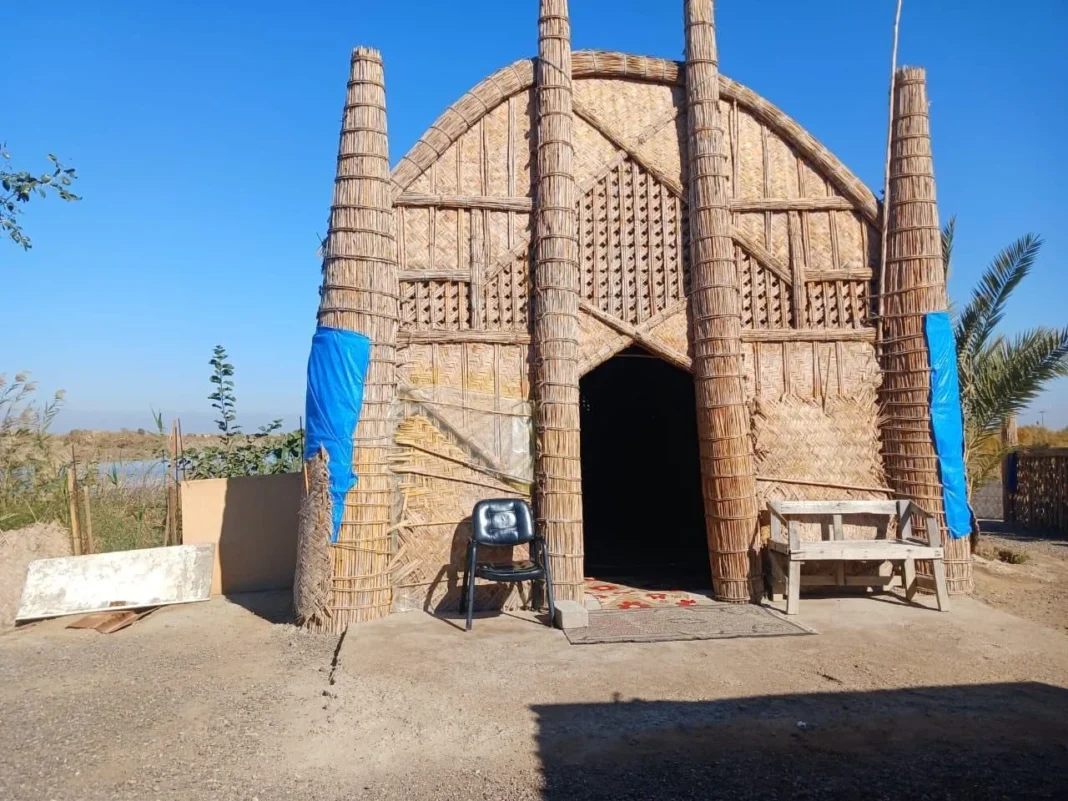
Iraq rural tourism initiative gained momentum after the Iraqi Tourism Authority announced plans to nominate seven villages for the United Nations’ “Best Tourism Villages” program. Officials say the move supports broader efforts to promote eco-tourism and preserve the country’s cultural and environmental identity.
The initiative focuses on showcasing rural communities that protect local traditions while encouraging sustainable economic growth. Iraqi tourism officials hope the nominations will increase international attention toward lesser-known destinations across the country.
The United Nations Tourism program launched in 2021 to recognize villages that use tourism as a tool for community development. The project encourages destinations to preserve their heritage, improve living conditions, and create economic opportunities for local residents. It also aims to reduce migration from rural areas to major cities.
According to Iraqi tourism officials, the selected villages represent different regions across Iraq, including southern provinces, central areas, and the Kurdistan Region. Authorities want the nominations to reflect Iraq’s geographical and cultural diversity.
Among the most notable candidates is the village of Byara in Sulaymaniyah Governorate. The area attracts visitors with its mountain landscapes, traditional lifestyle, and natural scenery. Officials also nominated Abu Subat village in the Mesopotamian Marshes, an area famous for its unique wetlands and centuries-old heritage.
The Iraqi Tourism Authority continues reviewing additional villages before submitting the final nomination files. Experts are assessing locations based on international tourism standards and sustainability requirements. Authorities plan to prepare seven complete applications for evaluation by United Nations specialists.
Iraq rural tourism initiative places strong emphasis on environmental protection and green tourism practices. Officials want nominated villages to demonstrate responsible tourism management while preserving natural resources and cultural identity. Community participation also remains a major part of the evaluation process.
Tourism experts believe the initiative could create new economic opportunities for rural communities. Increased tourism may support small businesses, traditional crafts, and local hospitality services. Iraqi officials hope the program will encourage investment in infrastructure and tourism facilities across rural areas.
The government also sees tourism diversification as an important long-term economic strategy. Iraq has traditionally relied on religious and urban tourism, especially in major cities and holy sites. Rural tourism offers a chance to expand the sector and introduce international visitors to different parts of the country.
Iraq rural tourism initiative could help place several remote destinations on the global tourism map. Successful recognition from the United Nations would likely increase international visibility and attract more travelers interested in nature, culture, and sustainable tourism experiences.
Officials believe the nominations reflect a growing effort to improve Iraq’s international tourism image. The country continues working to highlight its natural beauty, historical depth, and cultural richness beyond traditional tourist destinations.