

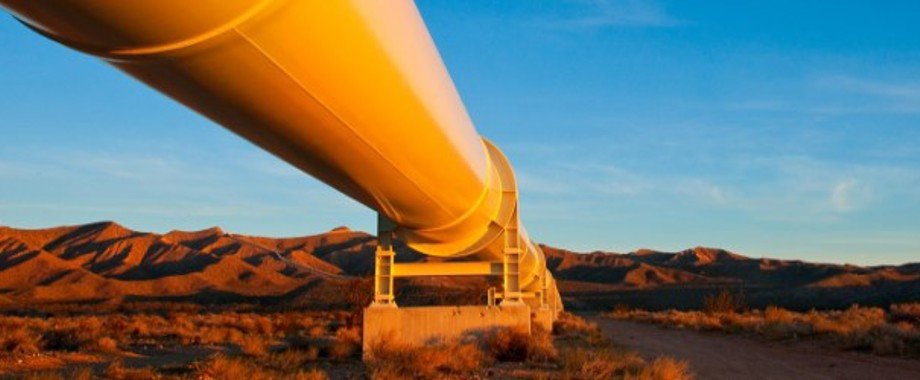
The Iraq oil pipeline project 2.25m bpd plan advances as the government pushes forward. Moreover, officials approved key steps to start construction. Prime Minister Mohammed Shia al-Sudani led a high-level meeting. He reviewed technical plans and confirmed the next phase.
Furthermore, the Iraq oil pipeline project 2.25m bpd plan includes major funding support. Authorities approved 1.5 billion dollars to begin work. This financing comes through the Iraqi-Chinese cooperation framework. Additionally, the total project costs may reach $ 5 billion. Therefore, the government views the pipeline as a long-term strategic investment.
The project will connect southern oil hubs to central regions. It will link Basra with Haditha through a 685-kilometer route. Engineers designed the pipeline with 56-inch-diameter pipes. As a result, it can transport about 2.25 million barrels per day. This capacity will strengthen the domestic oil movement significantly.
In addition, the Iraq oil pipeline project 2.25m bpd plan aims to diversify export routes. Currently, Iraq relies heavily on the Strait of Hormuz. However, this route faces frequent risks and disruptions. Therefore, the new pipeline will offer an alternative path. It will reduce dependence on a single export corridor.
Moreover, the pipeline may extend beyond Iraq’s borders. Plans include connections to Aqaba and Baniyas. These routes will open access to the Red Sea and the Mediterranean Sea. Consequently, Iraq can reach European markets more efficiently.
The project also supports infrastructure recovery. Many oil facilities have suffered damage since 1980. Therefore, rebuilding pipelines remains essential for economic stability. In addition, improved infrastructure will reduce transport bottlenecks and increase export efficiency.
However, challenges still exist. Large-scale projects require strong coordination and stable conditions. Delays may occur if security or funding issues arise. Despite this, officials remain confident about progress.
In conclusion, the Iraq oil pipeline project 2.25m bpd plan marks a major step in energy development. The project combines capacity growth with export diversification. Therefore, it could reshape Iraq’s oil strategy in the coming years.