

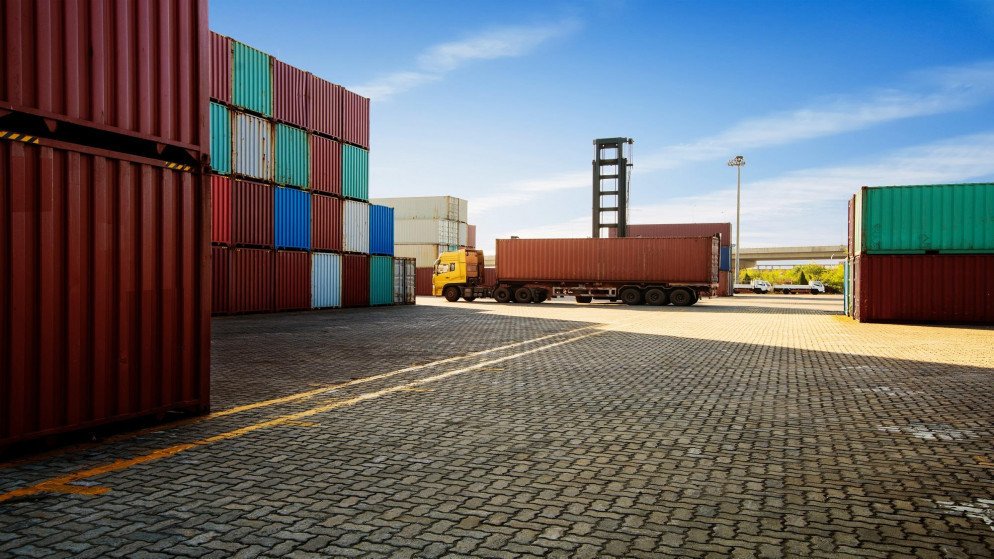
Jordan Iraq exports continue to show strong momentum and regional economic importance. Trade ties between Jordan and Iraq keep expanding through steady industrial growth. As a result, regional markets gain stronger connections and higher trade confidence.
First, Jordan increased its exports to Iraq beyond one billion dollars. This milestone highlights stronger demand for Jordanian goods. Moreover, it reflects stable trade routes and improved cooperation.
At the same time, Jordan expanded its total global exports significantly. Industrial output reached higher levels across many sectors. Consequently, exporters benefited from wider market access and improved logistics.
Meanwhile, Iraq ranked among Jordan’s top export destinations. Alongside Iraq, several major economies absorbed large volumes of goods. Therefore, Jordan diversified risk while maintaining strong regional trade.
In addition, exports to Iraq grew faster than many other markets. This growth signals trust in Jordanian products. Furthermore, Iraqi demand supported Jordan’s manufacturing base.
Also, Jordanian factories supplied food, chemicals, construction materials, and consumer goods. These products met Iraq’s growing domestic needs. Thus, trade supported both economies.
Moreover, the United States and India also imported large volumes from Jordan. However, Iraq remained a key regional partner. This balance strengthened Jordan’s export strategy.
Regionally, Arab markets absorbed the largest share of Jordanian industrial exports. Iraq played a central role in this pattern. Consequently, regional trade stayed resilient.
Meanwhile, Asian markets outside the Arab world showed steady demand. North America also maintained strong import levels. Therefore, Jordan achieved broad geographic reach.
Additionally, trade officials credited industrial efficiency for export growth. Manufacturers improved quality and production speed. These improvements boosted competitiveness abroad.
At the same time, transport links supported higher trade volumes. Border trade with Iraq remained active and reliable. As a result, exporters reduced delays and costs.
Furthermore, economic planners emphasized export-led growth. They encouraged factories to expand capacity. This approach aimed to secure long-term income stability.
In contrast, officials also stressed market diversification. They aimed to avoid reliance on a single destination. Still, Iraq retained strategic importance.
Moreover, Jordan Iraq exports strengthened bilateral economic relations. Trade cooperation encouraged dialogue and coordination. Therefore, economic ties supported political stability.
Private sector participation also played a major role. Companies invested in new production lines. Consequently, export readiness improved across industries.
In addition, workforce skills improved through training initiatives. Skilled labor enhanced product quality. This advantage supported sustained export growth.
Analysts expect trade momentum to continue. Demand from Iraq remains strong due to reconstruction and consumption needs. Thus, Jordan stands well positioned.
However, experts urge policy support for exporters. They call for incentives and infrastructure investment. These steps can maintain competitiveness.
Overall, Jordan Iraq exports reflect successful regional trade integration. Strong industrial output and market access drive growth. This trend benefits both economies.
Jordan Iraq exports also signal confidence in cross-border cooperation. Businesses continue to expand trade networks. Therefore, economic ties deepen further.