

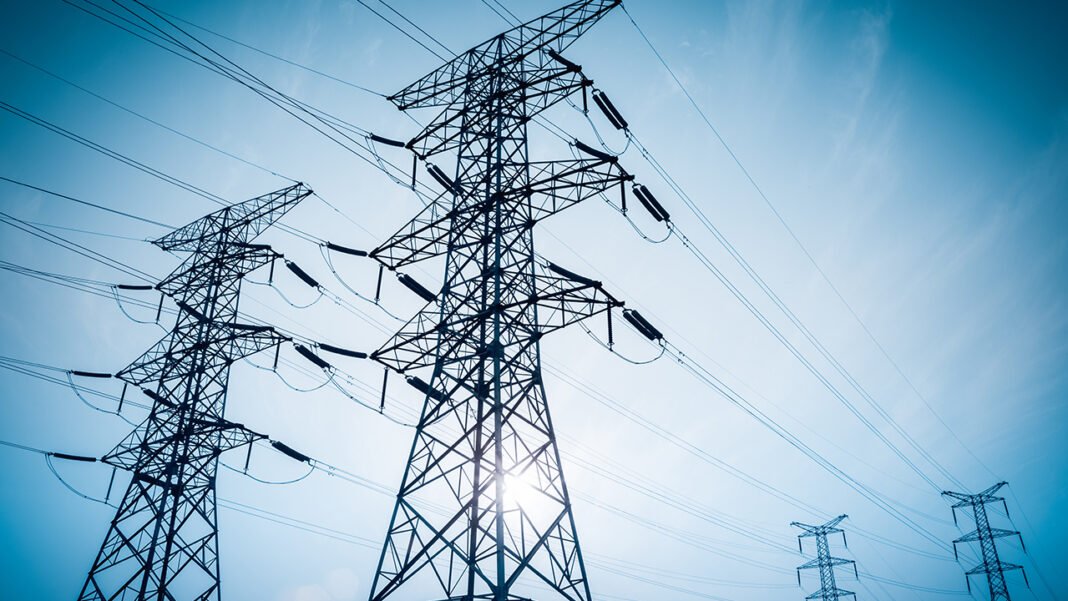
Iraq plans a major expansion in electricity generation capacity across the country. Officials outlined ambitious goals focused on long-term energy security. Moreover, leaders emphasized partnerships and investment as key drivers. Therefore, Iraq electricity production expansion now stands at the center of national policy.
The Electricity Ministry confirmed plans to produce more than sixty thousand megawatts. This target reflects ongoing projects and future initiatives. Additionally, foreign partnerships support technical development. As a result, Iraq seeks to close long-standing power gaps.
Government officials highlighted strategic cooperation with international companies. These partnerships bring expertise and modern technology. Furthermore, they accelerate project delivery timelines. Thus, Iraq electricity production expansion gains momentum.
Energy leaders spoke during a major energy exhibition in Baghdad. The event attracted hundreds of companies from many countries. Moreover, strong participation showed global interest in Iraq’s energy market. Therefore, confidence in sector growth increased.
The prime minister stressed energy as a national priority. He linked electricity growth with economic development. Additionally, he emphasized both conventional and renewable sources. This balanced approach supports sustainability goals.
Officials noted steady progress in power generation projects. Current plans aim to exceed fifty-seven thousand megawatts soon. Moreover, large projects continue with global engineering firms. These projects strengthen grid capacity nationwide.
Partnerships with Siemens and General Electric play a key role. These companies support power plant upgrades and new capacity. Consequently, Iraq improves efficiency and reliability. This cooperation accelerates Iraq electricity production expansion.
The government also focused on gas utilization improvements. Authorities increased recovery of associated gas significantly. This progress reduces waste and supports power generation. Therefore, gas recovery strengthens electricity supply.
Officials confirmed that gas flaring reduction continues steadily. Recovery levels now exceed seventy percent. Moreover, plans target full elimination within set goals. This achievement supports cleaner energy use.
Renewable energy development also gained attention. Authorities launched strategies across multiple provinces. Solar and renewable projects will support peak demand. As a result, Iraq diversifies its energy mix.
Implementation of renewable projects will begin soon. Summer demand increases drive urgency. Therefore, planners focus on timely execution. Renewable energy supports grid stability.
Oil sector development also supports electricity goals. Increased oil production strengthens state revenues. Moreover, partnerships with major companies boost output. These revenues help fund energy projects.
The government works with international oil companies actively. Projects with global firms expand capacity. Discussions with additional partners continue. Therefore, investment pipelines remain strong.
Energy officials stressed integrated planning. Oil, gas, and electricity strategies align closely. This coordination improves efficiency and reduces costs. Thus, Iraq electricity production expansion benefits from unified policy.
Improved electricity supply supports economic growth. Reliable power helps industry and services. Additionally, households benefit from stable supply. Therefore, social and economic gains follow.
Business confidence also improves with better power availability. Investors seek reliable infrastructure. Electricity reliability attracts manufacturing and services. Hence, energy reform supports diversification.
Authorities acknowledged remaining challenges. Infrastructure gaps still exist in some regions. However, planning and investment address these issues. Progress continues steadily.
International interest remains strong in Iraq’s energy market. Companies view Iraq as a growth destination. Moreover, government reforms encourage participation. This interest supports long-term goals.
Officials emphasized transparency and cooperation. Clear policies guide partnerships and projects. Consequently, implementation risks decline. Confidence grows among stakeholders.
Energy security remains a national objective. Leaders aim to meet rising demand. Population growth increases electricity needs. Therefore, expansion plans remain essential.
In conclusion, Iraq targets more than sixty thousand megawatts through partnerships and reform. Gas recovery and renewables support this goal. Iraq electricity production expansion reflects strategic transformation.