

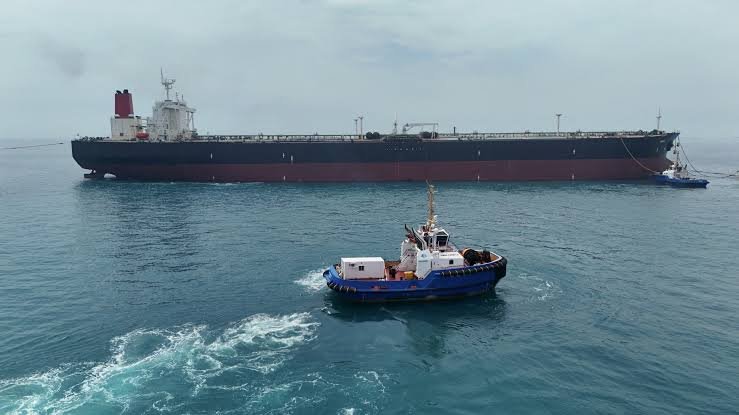
Oil prices climbed to a two-week high on Tuesday as US-Iran negotiations reached an impasse. Investors grew concerned about continued uncertainty surrounding the Strait of Hormuz. The standoff increased fears that disruptions could keep crude supplies under pressure.
Brent crude futures rose to $88.09 per barrel during Asian trading. US West Texas Intermediate crude also gained, reaching $82.52 per barrel. Both benchmarks reached their highest levels since July 31.
Oil prices jumped nearly 5% during Monday’s session. The latest increase followed renewed tensions between Washington and Tehran. Markets now face uncertainty over whether negotiations can produce an agreement.
US President Donald Trump responded to Iran’s demands for a peace deal on Monday. He called for compensation related to people killed during wars, attacks, and protests. His comments added further tension to already difficult negotiations.
The discussions also focus on reopening the Strait of Hormuz. The waterway remains a crucial route for global energy shipments. Any prolonged disruption could affect crude supplies and increase transportation risks.
The two-week high in oil prices reflects growing concern among traders. Markets remain sensitive to developments between the United States and Iran. Investors are also watching whether diplomatic efforts can reduce pressure on global energy supplies.
IG market analyst Tony Sycamore described the situation as a standoff between Washington and Tehran. He suggested that oil prices could remain volatile while both sides wait for concessions. His outlook placed crude within a broad range of $75 to $95 per barrel.
Higher fuel prices could also complicate the US inflation outlook. Investors are awaiting the latest US consumer price data on Wednesday. Economists expect the headline index to rise 0.1% during the month.
The core inflation measure could increase by 0.2%, according to current expectations. A stronger-than-expected reading could revive expectations for another Federal Reserve rate increase. Higher interest rates could then place additional pressure on economic growth.
Economist Jonas Goltermann said inflation risks appear tilted toward a stronger reading. He warned that renewed rate expectations could increase concerns about stagflation. Markets therefore face pressure from both energy prices and monetary policy uncertainty.
The two-week high in crude prices also affected broader financial markets. Asian shares moved between gains and losses as investors assessed the latest developments. South Korea’s KOSPI gained 1.3%, while Hong Kong’s Hang Seng Index declined 0.6%.
The Reserve Bank of Australia kept its cash rate at 4.35% on Tuesday. The central bank said economic growth was slowing as expected. However, it kept open the possibility of another increase if inflation remains difficult to control.
Currency markets also responded to the latest oil movement. The Japanese yen traded near the weaker side of 159 against the US dollar. Traders remained alert to possible further intervention from Japanese and US authorities.
Gold prices also moved higher during the session. Spot gold gained 0.33% to reach $4,402.52 per ounce. The increase reflected continued demand for assets viewed as safer during periods of uncertainty.
For now, traders remain focused on US-Iran negotiations and the Strait of Hormuz. Any progress could ease pressure on oil markets and reduce supply concerns. However, a prolonged impasse could keep crude prices elevated in the near term.