

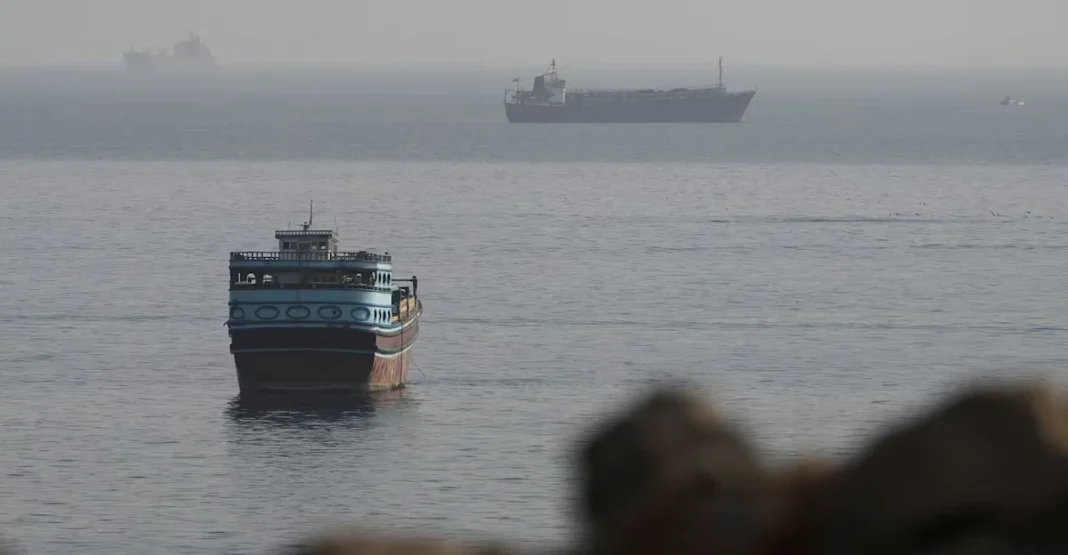
India’s Reliance Industries has paid a record freight cost to transport Iraqi crude during the Hormuz crisis. The company reportedly agreed to pay up to $25 million for a very large crude carrier. The shipment involves around two million barrels of Basrah crude from Iraq.
Shipping sources said the unusually high cost reflects growing risks around the Strait of Hormuz. The strategic waterway remains a major route for global energy supplies. However, military tensions have sharply reduced the number of vessels willing to enter the area.
Reliance reportedly chartered the tanker from South Korea-based Sinokor. The vessel will transport the Iraqi crude from the Basra Oil Terminal to India. Shipping costs have risen dramatically compared with normal market conditions before the current conflict.
Freight costs reach unprecedented levels
Sources estimated the tanker charter at between $23 million and $25 million. That figure represents a dramatic increase from the roughly $2 million normally seen before the crisis. The current rate reflects higher security risks, insurance costs, and limited tanker availability.
The vessel was reportedly booked at around 1,200 points on the Worldscale index. Before the crisis, comparable shipments traded at much lower levels. Shipowners now demand significant premiums to compensate for the risks associated with Gulf routes.
The Strait of Hormuz remains particularly important for global energy markets. A large share of crude oil and liquefied natural gas normally passes through the waterway. Consequently, disruptions can quickly increase transportation costs and influence international oil prices.
Iraq offers discounts to maintain crude exports
Iraq has responded to the shipping difficulties by offering substantial discounts on its crude. The State Organization for Marketing of Oil has reportedly reduced prices by $25 to $30 per barrel. The discounts aim to encourage buyers to continue purchasing Iraqi crude despite higher transportation expenses.
Those reductions could help offset the extraordinary freight costs facing international refiners. Reliance may still achieve significant savings through the lower crude purchase price. Therefore, the company can justify paying a much higher tanker rate under current market conditions.
Reliance pays record freight cost as Asian refiners compete for discounted Iraqi crude. Buyers from India and China remain interested in securing cargoes from Iraq. However, the limited number of available tankers continues to create challenges.
Tanker shortages add pressure
Shipowners have become increasingly cautious about sending vessels into the Gulf. Many operators remain concerned about security threats and rising war-risk insurance premiums. As a result, fewer tankers are available to transport Iraqi crude.
Sinokor reportedly remains among the limited number of operators willing to handle such shipments. Its participation gives Iraqi exporters another option during a difficult period. Still, continued tanker shortages could keep freight prices at exceptionally high levels.
Iraq’s pricing strategy has helped maintain crude exports despite the difficult shipping environment. Lower oil prices can make Iraqi cargoes more attractive to Asian refiners. At the same time, expensive transportation remains a major challenge for buyers.
The Reliance shipment shows how the Hormuz crisis has changed the economics of oil transportation. Record freight payments now form part of the cost of securing crude supplies. Reliance pays record freight cost while Iraq works to protect its export flows.
For Iraq, maintaining access to international buyers remains essential. The country depends heavily on oil revenues to support public spending and economic activity. Therefore, keeping Basrah crude moving remains a major priority during the ongoing regional tensions.