

Iraq’s oil exports remained under pressure in July as regional security challenges and production disruptions reduced crude shipments. The Iraq oil exports sector faced obstacles from the continued closure of the Strait of Hormuz and lower production in the Kurdistan Region. Despite these difficulties, officials said Iraq oil exports continue under a competitive pricing system rather than discounted sales.
The State Organization for Marketing of Oil (SOMO) rejected reports claiming Iraq had lowered crude prices to attract buyers. SOMO Director Ali Nizar explained that crude prices continue to be determined through competitive bidding among qualified international companies. He said buyers submit offers based on their ability to transport cargo safely through the Strait of Hormuz.
According to Nizar, only a limited number of major trading companies currently have the capacity to move shipments through the strategic waterway. Rising insurance premiums and transportation costs have made shipping more expensive, reducing the number of companies participating in crude purchases. SOMO selects the strongest commercial offers instead of offering fixed price reductions.
Nizar stated that Iraq exported approximately 42 million barrels of crude during July. Although this represented an improvement compared with June, the figure remained well below export levels recorded before the current regional crisis. Earlier this year, Iraq regularly exported around 105 million barrels each month.
Southern export terminals handled about 35.5 million barrels during July. Another 7 million barrels reached international markets through Turkey’s Ceyhan export route. Together, those shipments accounted for Iraq’s total monthly exports despite ongoing logistical and security challenges.
The Strait of Hormuz continues to play a major role in shaping global energy markets. Increased security risks have complicated maritime transportation and raised operational costs for exporters and shipping companies. Iraq remains focused on maintaining reliable export flows despite these regional pressures.
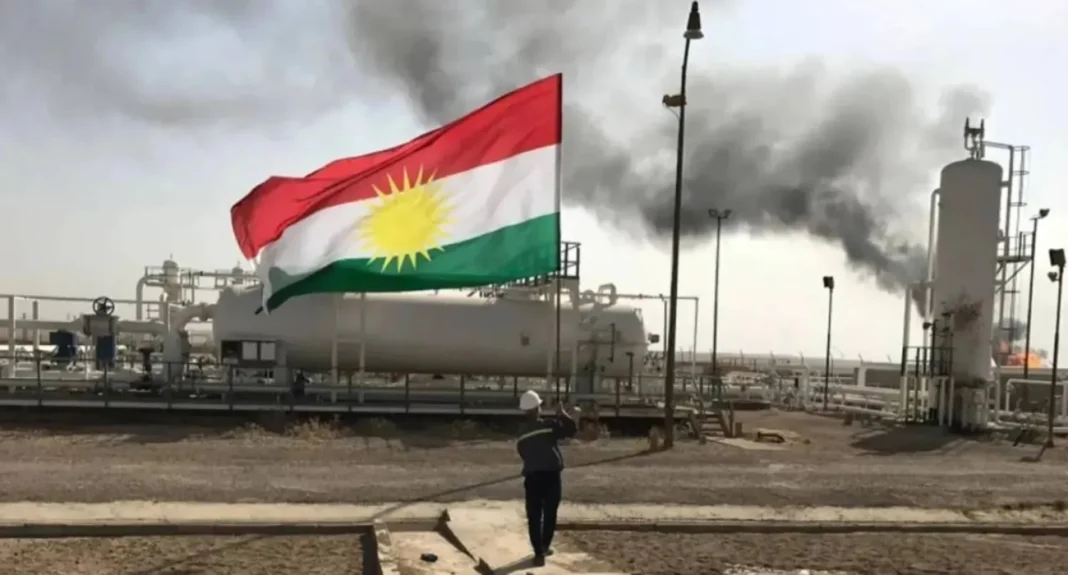
At the same time, production in the Kurdistan Region has declined significantly following repeated attacks on oil fields. According to Iraqi officials, security concerns prompted several foreign energy companies to suspend operations. As a result, crude exports through Turkey dropped sharply from around 240,000 barrels per day to nearly 20,000 barrels per day.
To strengthen northern export capacity, Iraq recently reached a one-year agreement with Turkey to continue using the Iraq-Turkey pipeline. The arrangement guarantees transport capacity of at least 750,000 barrels per day while both countries negotiate a long-term framework. The pipeline has a maximum capacity of 1.5 million barrels per day.
Officials also announced plans to increase crude supplies to northern facilities by transporting oil from southern refineries using tanker trucks. The long-term objective is to deliver as much as one million barrels per day through the northern export system. Expanding pipeline utilization would improve Iraq’s export flexibility during periods of regional uncertainty.
In addition, Iraq plans to increase production from the Kirkuk oil fields through new development projects involving international energy companies. Officials believe these investments will strengthen production capacity and support future export growth.
Despite ongoing regional challenges, Iraqi authorities remain committed to protecting energy exports and expanding transportation options. As security conditions improve and infrastructure projects advance, Iraq oil exports could recover further while supporting the country’s long-term economic stability.