

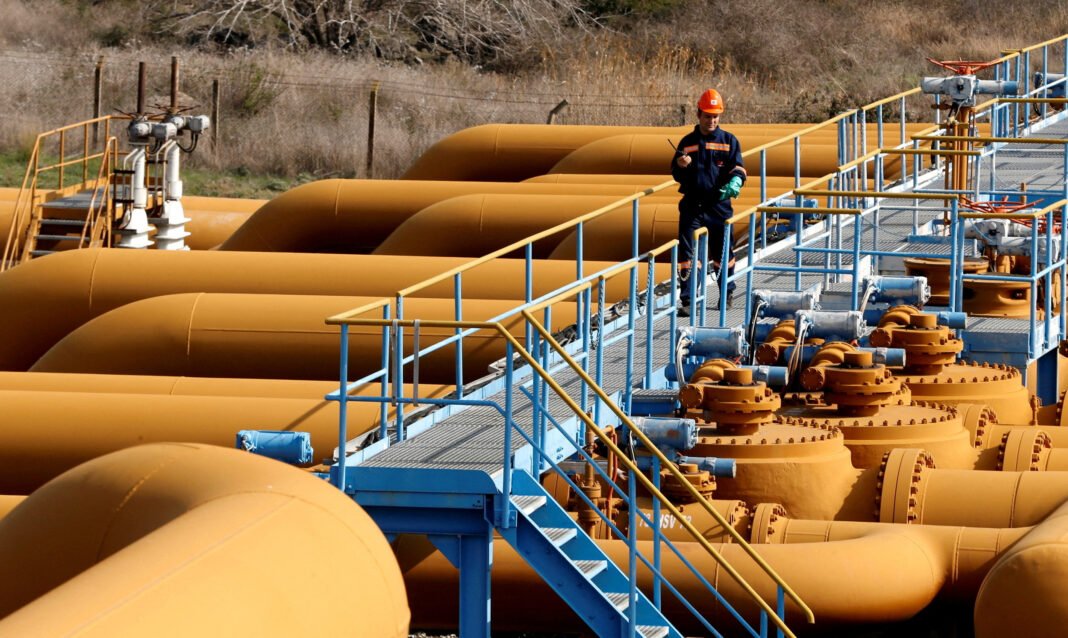
Iraq is accelerating efforts to expand its energy exports through neighboring countries. The government aims to strengthen Iraq oil export routes and reduce dependence on traditional shipping channels.
Officials have launched a strategy to increase crude exports through Turkey and Syria. The long-term goal is to reach one million barrels per day through alternative transportation networks. The plan reflects Iraq’s efforts to protect oil revenues during a period of regional uncertainty.
Basem Abdul-Karim, Director of the Basra Oil Company, confirmed that authorities have started implementing the strategy. He said the government remains focused on maintaining stable oil supplies to international markets. Officials view export diversification as a key economic priority.
Iraq relies heavily on oil income to support public spending and development projects. Any disruption to exports can place pressure on government finances. For this reason, policymakers continue searching for reliable alternatives.
Pipeline exports through Turkey and Syria form the foundation of the new strategy. According to Abdul-Karim, these routes could eventually transport more than 650,000 barrels per day. That figure would account for around 60 percent of the government’s target.
In addition to pipelines, Iraq currently transports crude by tanker trucks through northern export outlets. Existing operations move approximately 150,000 barrels each day. Authorities expect those volumes to rise significantly in the coming months.
Government plans aim to increase truck-based shipments to nearly 350,000 barrels per day. Combined with pipeline exports, these measures could help Iraq approach its one-million-barrel target. Officials believe the expanded network will improve flexibility and efficiency.
The strategy also seeks to strengthen Iraq oil export routes by reducing risks linked to regional instability. Diversified transportation channels can help maintain exports when disruptions affect specific corridors. As well as, this approach provides greater protection against unexpected challenges.
Recent events have highlighted the importance of alternative export options. Regional tensions have affected energy transportation and raised concerns about supply security. These developments have encouraged Iraq to accelerate its export diversification plans.
Oil exports remain the backbone of Iraq’s economy. Revenue from crude sales funds salaries, infrastructure projects, and public services. Stable exports therefore remain essential for economic growth and financial stability.
Energy analysts say alternative routes can improve Iraq’s resilience during periods of geopolitical tension. Expanding infrastructure may also enhance the country’s position in global energy markets. Investors continue to watch these developments closely.
The government hopes that stronger logistics networks will secure access to overseas customers.However, officials also expect the strategy to support long-term energy security. Continued investment in infrastructure will play a critical role in achieving these goals.
As regional conditions evolve, Iraq appears committed to expanding Iraq oil export routes and protecting its role as a major oil supplier. The success of these plans could help safeguard revenues and strengthen economic stability in the years ahead.