

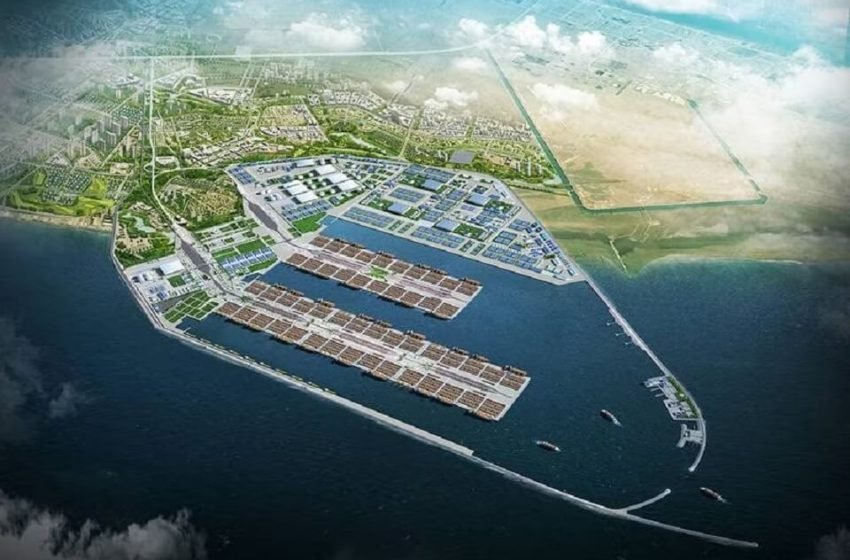
Iraqi Prime Minister Ali al-Zaidi has proposed a major energy development for the Al-Faw Peninsula. The Iraq Energy City project would combine oil, gas, electricity, and logistics infrastructure in southern Iraq. Al-Zaidi announced the initiative during an official visit to the United States. He presented it as part of Baghdad’s broader push for international investment and stronger energy partnerships. The government sees Al-Faw’s Gulf location as a strategic advantage for the plan.
The proposed site sits near vital oil export routes and the Development Road corridor. Officials want to turn the peninsula into an integrated center for energy production and transport. The Iraq Energy City project could include crude oil refineries, gas facilities, processing units, and power plants. It would also connect to strategic oil pipelines and other infrastructure networks. Those links could strengthen Iraq’s role in regional energy trade and logistics.
Baghdad is trying to increase oil output while developing a more capable domestic gas industry. The government also wants to reduce gas flaring and lower its dependence on imported fuel. Greater local gas production could support power plants and improve electricity supply. Additional refining capacity could help Iraq extract more value from its natural resources. The Energy City proposal brings several of those goals together in one location.
Al-Zaidi discussed the project while attending an Iraqi-American business forum in Houston, Texas. The event included meetings with US officials and executives from American energy companies. Iraqi officials said they were working to finalize more than $60 billion in agreements with US firms. The Iraq Energy City project formed part of that wider investment agenda. However, authorities have not announced a construction timeline, budget, or final list of participating companies.
The prime minister said Iraq wants strategic partners instead of short-term contractors. He called for investors who can bring technology, develop local skills, and create employment opportunities. David Phillips, chairman of the Bilateral Chamber of Commerce, said Texas businesses showed interest in Iraqi energy investment. Large projects will require detailed planning, reliable financing, and coordination across government agencies. Their success will depend on whether Baghdad can convert investment interest into operating infrastructure.