

Iraq aims to increase crude production to nearly 10 million barrels per day by 2030. However, the Iraq 10 million bpd oil target faces financial, technical, and geopolitical obstacles. Economic analyst Dr. Nabil Al-Marsoumi warned that achieving the goal will require major investment and international coordination.
Prime Minister Ali Al-Zaidi recently instructed the Oil Ministry to expand exploration and production activities. The plan covers oil fields in federal Iraq and the Kurdistan Region. Officials want to significantly increase output during the next four years.
Al-Marsoumi identified several major obstacles that could limit Iraq’s ability to reach the target. These include OPEC+ production limits, infrastructure constraints, investment requirements, and risks within global oil markets. Together, these factors could make the 2030 objective difficult to achieve.
Iraq currently produces around 4.431 million barrels per day. Its OPEC+ baseline allocation stands at approximately 4.651 million barrels per day. Reaching 10 million barrels daily would therefore require a major increase in Iraq’s permitted production levels.
Any significant change would require negotiations within OPEC+. Iraq could not simply increase production without considering the group’s broader supply agreements. Major producers would need to agree to any substantial revision of Iraq’s production allocation.
Another challenge involves Iraq’s sustainable production capacity. US petroleum consultancy DeGolyer and MacNaughton is reviewing sustainable capacity across 19 OPEC+ countries. Preliminary estimates place Iraq’s sustainable capacity between 5 million and 5.5 million barrels per day.
That estimate creates a significant gap between current sustainable capacity and the government’s 2030 ambition. Iraq would need to add roughly 4.5 million barrels per day beyond the estimated sustainable ceiling. Such an expansion would require extensive development across existing and newly explored oil fields.
The financial requirements also present a major challenge. Industry estimates suggest Iraq could need around $75 billion to add the necessary production capacity. The investment would support oil field development, water injection projects, storage facilities, pumping stations, and export infrastructure.
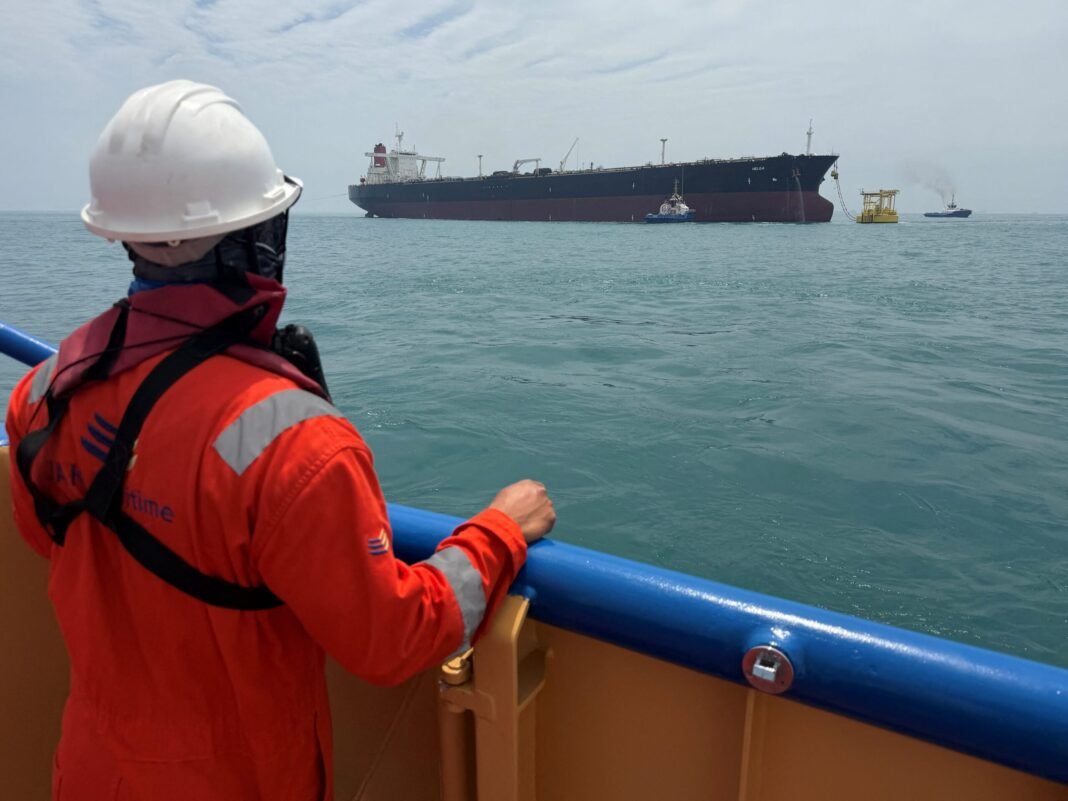
Iraq also needs stronger transportation infrastructure to handle substantially higher production. New pipelines, storage facilities, and maritime export capacity would become essential. Deepwater export facilities and additional northern routes could help the country move larger volumes to international markets.
The Iraq 10 million bpd oil target also faces risks from global demand and oil prices. Producing millions of additional barrels could create excess supply if global consumption does not grow at the same pace. Increased supply could then place downward pressure on international crude prices.
That scenario would create a serious challenge for Iraq because oil revenues provide most of the government’s income. Higher production does not automatically guarantee higher state revenues. A sharp decline in global prices could offset the financial benefits of increased exports.
Foreign investment will therefore play an important role in Iraq’s expansion plans. International companies could provide capital, technology, and expertise for complex oil and infrastructure projects. Iraq would also need reliable financing for water injection systems and large-scale export facilities.
Al-Marsoumi warned that production growth must remain connected to market conditions and infrastructure development. Expanding oil fields without sufficient export capacity could create logistical bottlenecks. Similarly, pursuing production volumes without price discipline could weaken Iraq’s overall oil income.
The Iraq 10 million bpd oil target represents an ambitious attempt to expand the country’s position in global energy markets. Yet reaching 10 million barrels per day by 2030 requires progress on several fronts. Iraq must secure investment, improve infrastructure, negotiate within OPEC+, and carefully assess global demand.
The government’s objective remains achievable only if these challenges receive coordinated solutions. Otherwise, the gap between planned production and sustainable capacity could remain substantial. Iraq’s ability to balance higher output with market stability will ultimately determine the success of its ambitious oil strategy.