

Iraq has unveiled plans for dual oil pipelines linking its southern fields with Faysh Khabur and Syria’s Baniyas port. The project seeks to expand Iraq’s crude export options and reduce dependence on southern Gulf terminals. Baghdad wants stronger export routes after recent disruptions around the Strait of Hormuz.
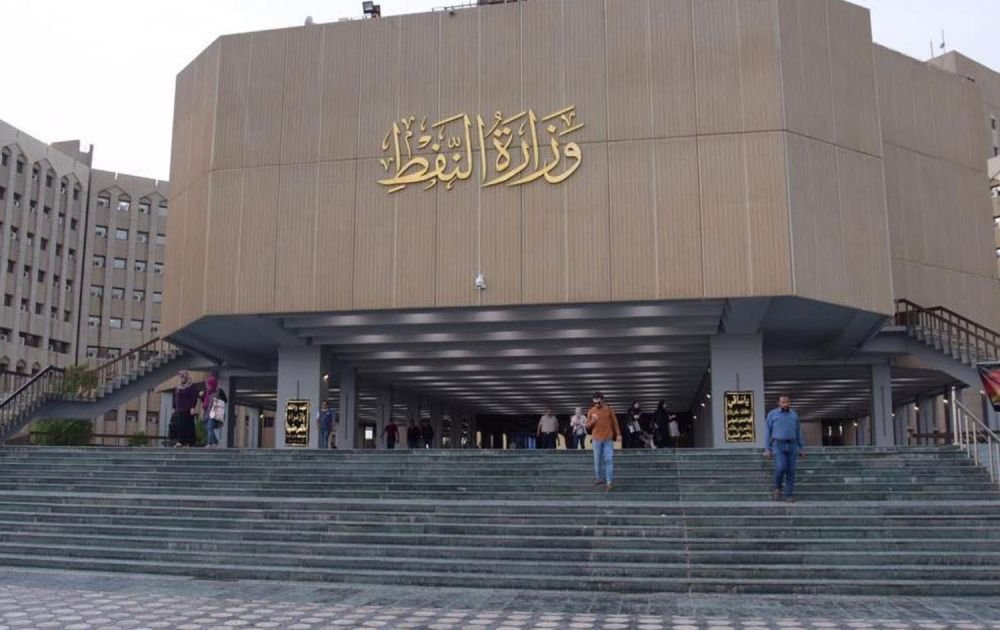
Deputy Oil Minister for Extraction Affairs Nseer Aziz chaired a meeting on Monday. Officials discussed the project’s implementation plans and investment structure. The proposed system would involve international energy companies under a Build-Own-Operate-Transfer model.
The first route would connect Basra with Haditha and then reach Faysh Khabur. This corridor would link Iraq’s major southern production areas with northern export infrastructure. Faysh Khabur sits near Iraq’s border with Turkey and offers access to important regional trade routes.
The second route would connect Haditha with Baniyas on Syria’s Mediterranean coast. Iraq hopes to revive this historic export corridor after years of inactivity. The route could provide access to Mediterranean markets and create another option for transporting Iraqi crude.
The project would involve Chevron, UCC, and TI Capital through the proposed investment framework. Officials are working to establish the financial and operational terms before implementation begins. The BOOT model would allow private partners to build and operate the infrastructure before transferring it to Iraq.
Senior representatives from several Iraqi oil institutions joined the planning meeting. Participants included the Basra Oil Company and North Oil Company. The Missan Oil Company and state oil marketer SOMO also took part in the discussions.
Officials from the Ministry of Oil’s Studies and Planning Directorate also attended. Their involvement highlights the project’s importance across Iraq’s oil production and export sectors. The government wants coordination between producers, planners, and export authorities.
The Baniyas route also follows a recent agreement between Iraq and Syria. The two countries signed a memorandum of understanding on July 17. The agreement aims to reactivate the historic Kirkuk-Baniyas pipeline corridor.
The dual oil pipelines could strengthen Iraq’s position in international energy markets. They would give Baghdad more flexibility when choosing export routes during regional disruptions. The additional corridors could also reduce risks linked to relying heavily on one export region.
Iraq has faced major challenges from disruptions around the Strait of Hormuz. Those disruptions have highlighted the importance of alternative routes for energy exporters. Therefore, Baghdad is seeking infrastructure that can protect crude shipments during future regional crises.
The proposed network could also support Iraq’s long-term oil marketing strategy. More export routes could improve access to different international buyers. The project may also help Iraq manage transportation costs and reduce exposure to regional shipping risks.
The government has not announced a final construction schedule for the project. Officials must first complete investment arrangements and technical planning. However, the proposal signals a broader effort to reshape Iraq’s crude export infrastructure.
If implemented, the dual oil pipelines would create two major alternatives for Iraqi crude exports. One would move oil toward northern infrastructure near Turkey. The other would provide a potential Mediterranean outlet through Syria.