

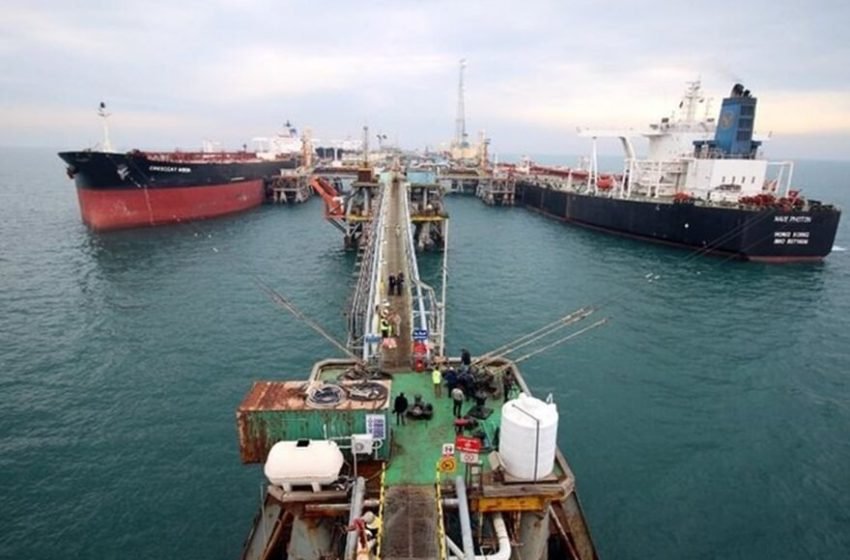
Iraq’s oil export recovery has accelerated since the beginning of August, with shipments averaging around two million barrels per day. The increase marks a major improvement after months of sharply reduced exports. Baghdad is also working to expand export routes and strengthen oil infrastructure.
Oil Minister Basim Khudair said Iraq’s exports have averaged two million barrels per day since August began. He said the ministry continues to work on increasing export volumes and improving the country’s energy infrastructure. Oil remains the main source of government income in Iraq.
The latest figures represent a significant change from the first seven months of 2026. Iraq’s seaborne exports averaged about 1.31 million barrels per day during that period. The figure stood far below the 3.33 million barrels per day recorded during the same period in 2025.
The sharp decline earlier this year placed considerable pressure on Iraq’s public finances. Oil exports provide more than 85% of the government’s budget revenues. Therefore, any prolonged disruption can quickly affect government spending and liquidity.
Iraq’s oil industry faced its most severe export decline in May. Seaborne shipments fell to around 98,000 barrels per day during the month. That represented a 97% decline compared with the same period a year earlier.
Export volumes began recovering significantly in July. Iraq shipped nearly 39 million barrels during the month. June shipments stood at around 15 million barrels, meaning July recorded an increase of more than 153%.
The oil export recovery continued into August. The latest average of two million barrels per day represents a major improvement from the levels recorded earlier in the year. However, exports remain below the levels Iraq achieved during the first seven months of 2025.
The Ministry of Oil is working to increase both production and export capacity. Officials are focusing on improving infrastructure and expanding the capabilities of crude oil terminals. These measures aim to provide Iraq with greater flexibility when transporting its oil.
Diversifying export routes has also become a major government priority. Iraq currently relies heavily on maritime shipments through southern terminals. Developing additional routes could reduce the impact of disruptions affecting individual export channels.
The government also wants to expand oil and gas export opportunities. New outlets could provide additional options for selling Iraqi energy products to international markets. Greater route flexibility could also improve the country’s ability to respond to changing market conditions.
July’s figures demonstrate the potential for a rapid recovery when export infrastructure operates at higher capacity. The increase from 15 million barrels in June to nearly 39 million barrels in July was particularly significant. August’s stronger daily average suggests that the recovery has continued.
However, the figures also highlight Iraq’s vulnerability to export disruptions. The dramatic fall in May showed how quickly oil revenues can decline when shipments face major obstacles. Such disruptions can create immediate challenges for government finances.
The government therefore has strong incentives to strengthen export infrastructure. Higher capacity could help Iraq maintain more stable shipments throughout the year. It could also support more predictable government revenues.
Iraq’s production strategy will remain important as exports increase. The country needs sufficient crude output to supply both domestic requirements and international markets. Investment in fields, pipelines, storage facilities, and terminals will therefore remain essential.
The oil export recovery could provide some relief for Iraq’s financial position. Higher export volumes can increase foreign currency earnings and improve government revenue. They can also help reduce pressure on borrowing and other short-term financing measures.
Still, Iraq remains highly dependent on oil income. More than 85% of budget revenues come from oil exports, according to the minister. This dependence leaves public finances exposed to both production disruptions and international oil price changes.
Expanding non-oil economic sectors could reduce that vulnerability over time. However, oil will remain central to Iraq’s economy for the foreseeable future. Improving export capacity is therefore likely to remain a government priority.
The latest increase provides a positive sign after a difficult period. Iraq has moved from exceptionally low export levels in May to around two million barrels per day in August. Maintaining that pace will be crucial for the country’s fiscal stability.
The oil export recovery also highlights the importance of expanding Iraq’s energy infrastructure. More reliable export routes could help the country maximize its resources and strengthen its position in global energy markets. The coming months will show whether the recent gains can continue.