

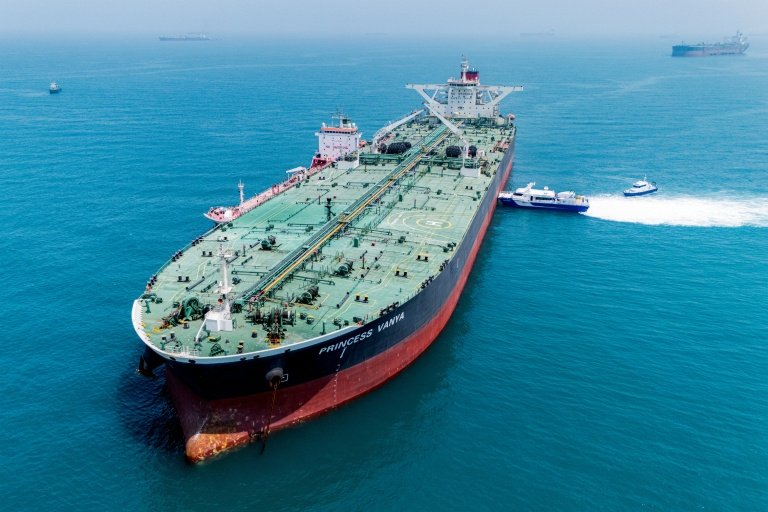
Iraqi oil exports continue to move through regional shipping lanes despite slower vessel traffic across two of the world’s most important maritime routes. New shipping data shows that activity through the Strait of Hormuz and the Bab el-Mandeb Strait has declined in recent weeks following renewed security concerns in the Middle East. While shipping companies remain cautious, Iraq has maintained the flow of crude exports, helping protect one of the country’s most important sources of revenue.
According to maritime analytics data, vessel movements through both strategic waterways have fallen to their lowest levels in several months. Shipping operators continue to monitor regional developments closely before sending vessels through the affected routes. Higher security risks have encouraged many companies to adjust schedules and strengthen safety measures. These changes have slowed overall maritime traffic across the region.
Traffic through the Bab el-Mandeb Strait declined after attacks targeted Saudi Aramco oil facilities in Jizan and Yanbu. The incidents increased concerns about the safety of commercial shipping in the Red Sea. Because the waterway serves as a major global energy corridor, any disruption quickly attracts attention from international energy markets. Shipping companies continue evaluating potential risks before approving new voyages.
The Strait of Hormuz also experienced reduced shipping activity despite the easing of direct military confrontations between the United States and Iran. Recent vessel tracking data showed limited tanker movements during the weekend. Shipping firms remain cautious because regional tensions continue affecting operational decisions. Higher insurance costs and freight rates also influence commercial shipping throughout the Gulf.
Despite these challenges, Iraqi oil exports have continued without major interruption. Two Very Large Crude Carriers carrying Iraqi and Emirati crude successfully passed through the Strait of Hormuz as part of scheduled export shipments. The successful transit demonstrates that Iraqi crude continues reaching international markets despite elevated security concerns. Maintaining uninterrupted exports remains essential for Iraq’s economy.
Other regional exporters also continued shipping oil during the same period. Several tankers departed the Red Sea carrying Saudi, Emirati, and Russian crude bound for China. Another vessel transported Saudi crude toward Pakistan. These movements indicate that energy exports continue despite slower shipping activity and heightened regional uncertainty.
Energy markets remain alert to the possibility of longer-term disruptions. Extended instability could reduce shipping capacity, increase transportation expenses, and tighten global energy supplies. Higher freight costs may also affect international oil prices if security risks continue. Market participants are therefore closely watching developments across both strategic waterways.
For Iraq, uninterrupted Iraqi oil exports remain vital because oil revenues provide most government income and support national spending. Stable export operations help protect public finances even during periods of regional uncertainty. As security conditions evolve, Iraq will continue monitoring shipping routes while working to maintain reliable energy exports to global markets.