

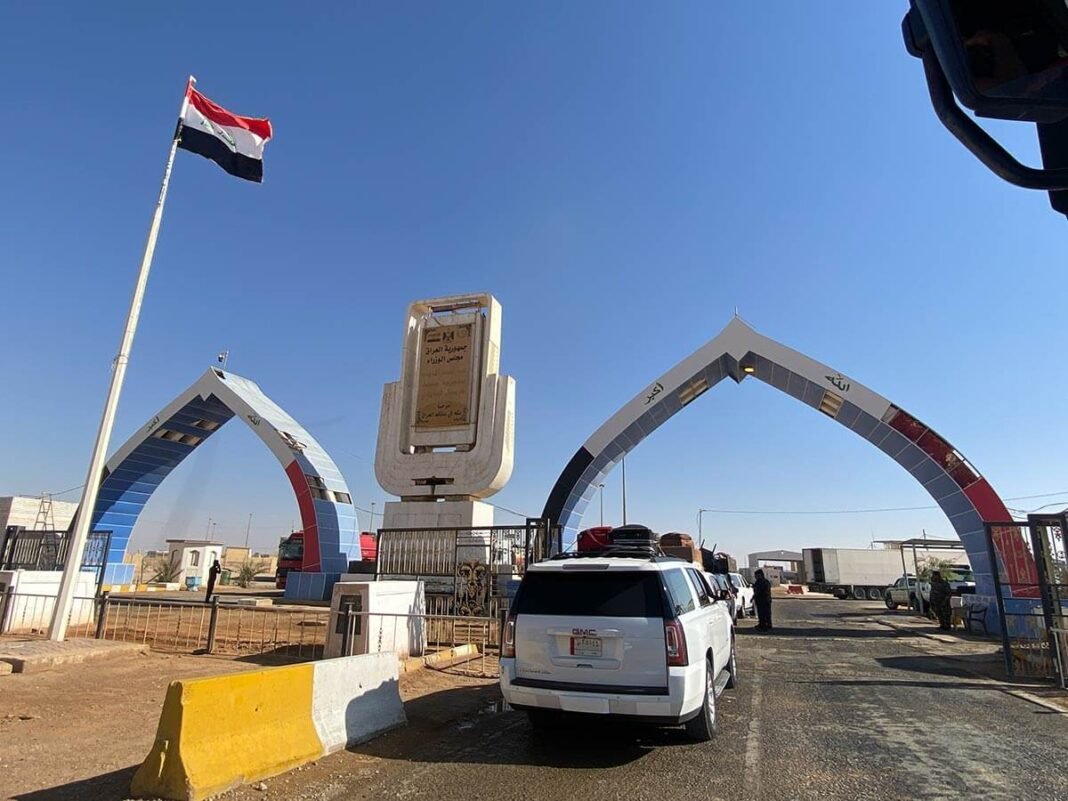
Iraq customs unification plan drives trade reform as officials agree on nationwide changes. The government will unify customs procedures across all border crossings. This move includes crossings in the Kurdistan Region. Moreover, leaders want stronger control over trade and higher public revenue.
The Ministerial Council for the Economy led the discussions. Fuad Hussein chaired the meeting with senior officials. Federal and regional representatives joined the session. Together, they focused on coordination and reform.
Iraq customs unification plan drives trade reform through unified policies and systems. Officials agreed to apply the same tariffs nationwide. They also plan measures to protect domestic products. As a result, businesses will face clearer and fairer rules.
In addition, authorities will introduce the ASYCUDA system across Kurdistan Region crossings. This digital platform improves customs processing and tracking. It also reduces delays and limits corruption risks. Therefore, trade flows should become faster and more transparent.
Furthermore, federal and regional teams will coordinate closely. They aim to standardize procedures across all entry points. This step will remove inconsistencies between different crossings. Consequently, traders will experience smoother operations.
Iraq customs unification plan drives trade reform by strengthening cooperation between Baghdad and Erbil. A technical delegation will meet soon to align systems. Experts from the Kurdistan Region will join the national team. They will work under the Ministry of Finance.
Both sides must deliver a joint report within one week. This report will outline final steps for implementation. After that, the Council will take further decisions. This timeline shows urgency and commitment.
Meanwhile, the Council approved another important measure. Officials selected the Trebil border crossing for gold imports. However, this step depends on lifting airspace restrictions. These restrictions relate to ongoing regional military tensions.
Leaders also highlighted broader challenges. Iraq faces economic pressure and security risks. Regional conflicts affect trade routes and investor confidence. Therefore, officials stress unity and coordination.
At the same time, Kurdistan Region representatives expressed support. They welcomed efforts to modernize customs systems. They also emphasized transparency and efficiency. This cooperation signals stronger economic integration.
Moreover, improved customs systems will boost institutional performance. Authorities expect higher revenue collection. They also aim for better oversight of cross-border trade. These improvements will support long-term economic stability.
In conclusion, Iraq moves toward a unified customs system with clear goals. Leaders want efficient trade, higher revenues, and stronger coordination. Through digital systems and policy alignment, the country aims to modernize its trade framework.