

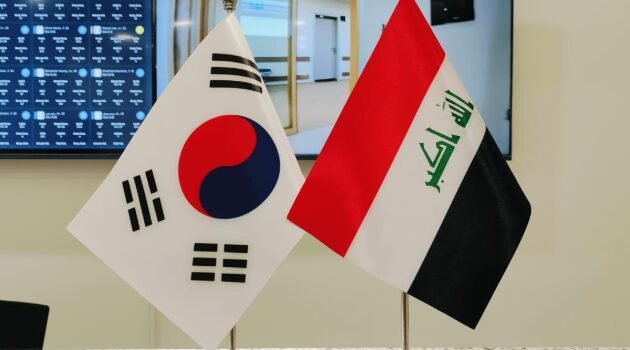
An Evacuation Operation moved 60 Korean workers out of Iraq as the regional conflict intensified. This Evacuation Operation reflects growing safety concerns across the Middle East. As a result, governments now act quickly to protect their citizens.
First, South Korean authorities confirmed that 60 corporate workers left Iraq safely. They traveled to nearby countries to avoid escalating risks. These destinations included Kuwait, Turkey, and Jordan. Therefore, the evacuation covered multiple safe routes.
Moreover, the evacuation took place over several days. Workers departed in organized groups to ensure safety. Embassy officials coordinated each movement carefully. Consequently, all evacuees reached secure locations without reported incidents.
In addition, the Ministry of Foreign Affairs (South Korea) supervised the operation. Officials worked closely with the Korean Embassy in Iraq. They provided guidance and logistical support throughout the process. This coordination ensured a smooth evacuation.
Furthermore, embassy staff played a key role on the ground. They advised workers to leave high-risk areas. They also arranged transportation and border crossings. As a result, the operation proceeded efficiently despite regional instability.
At the same time, the Evacuation Operation extended beyond Iraq. Three additional Korean nationals left Lebanon for Turkey. This step highlights wider concerns across the region. Therefore, evacuation efforts now cover multiple countries.
Meanwhile, the ongoing conflict continues to disrupt daily life and business operations. Companies now reassess their presence in high-risk areas. Many firms prioritize employee safety over continued operations. Consequently, more evacuations may follow if tensions rise further.
In contrast, governments maintain close monitoring of developments. They issue travel advisories and emergency instructions. These actions help citizens respond quickly to changing conditions. As a result, evacuation planning becomes more effective.
Additionally, the Evacuation Operation shows the importance of international coordination. Safe passage often depends on cooperation between neighboring countries. Therefore, regional partnerships play a key role in crisis response.
Overall, the Evacuation Operation demonstrates a rapid response to rising conflict risks. It highlights efforts to protect citizens and maintain safety. As instability continues, the Evacuation Operation will remain essential for crisis management.