

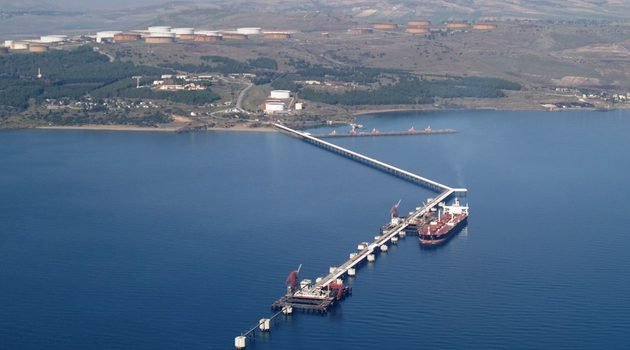
Iraq plans to begin the Iraq Kirkuk oil export to Turkey within a week. The government aims to strengthen northern oil routes. Officials also want to secure steady energy flows during regional disruptions.
Iraqi Oil Minister Hayyan Abdul Ghani shared the plan during an international energy conference. He confirmed that Iraq will soon ship crude oil from the Kirkuk fields to Turkey. The new route will bypass infrastructure managed by the Kurdistan Regional Government.
First, officials will move crude directly from the Kirkuk oil fields toward the Turkish border. Then, tankers will transport the oil to export markets. As a result, the Iraq Kirkuk oil export will reopen an important northern corridor.
Meanwhile, Iraq continues to face several energy transport challenges. Regional tensions have disrupted several shipping routes. Therefore, Baghdad seeks alternative export options to protect its oil industry.
For years, southern ports handled most Iraqi crude shipments. However, officials now want to reduce pressure on those terminals. Consequently, the government views northern exports as a key solution.
The Kirkuk oil fields hold large reserves. These fields play a vital role in Iraq’s energy sector. By restoring exports from Kirkuk, Iraq hopes to strengthen production stability.
Furthermore, global shipping disruptions have increased risks for Gulf oil routes. In particular, the Strait of Hormuz remains a sensitive passage for energy shipments. Any instability there affects global oil flows.
Because of these risks, Iraq now prioritizes diversified export routes. Northern pipelines and border routes can support that goal. As a result, the Iraq Kirkuk oil export could increase supply security.
In addition, this move helps Iraq maintain steady oil revenues. Oil income supports the national budget and public spending. Therefore, protecting exports remains a top economic priority.
Energy analysts also believe northern exports could stabilize the market. When Iraq expands export channels, the country reduces supply interruptions. Consequently, buyers receive more reliable shipments.
At the same time, Iraq continues to coordinate with neighboring countries. Cooperation with Turkey plays an important role in regional energy trade. Strong partnerships help maintain reliable transportation routes.
Moreover, restoring northern exports can improve operational flexibility. Iraq can shift shipments between northern and southern terminals when disruptions occur. That strategy strengthens long-term export stability.
Officials also emphasize the strategic value of Kirkuk. The area holds some of Iraq’s most productive oil reserves. Therefore, reopening export routes from Kirkuk supports national energy plans.
Additionally, the project reflects Iraq’s broader strategy to protect its oil infrastructure. Diversified export routes lower the risk of supply interruptions. This approach also strengthens Iraq’s position in global energy markets.
Energy markets continue to watch the development closely. Any change in Iraqi oil flows affects regional supply levels. For that reason, the upcoming shipments attract strong international attention.
Overall, the plan marks an important step for Iraq’s oil sector. If the launch proceeds smoothly, exports could continue to grow. Consequently, the Iraq Kirkuk oil export could become a major channel for crude shipments again.