

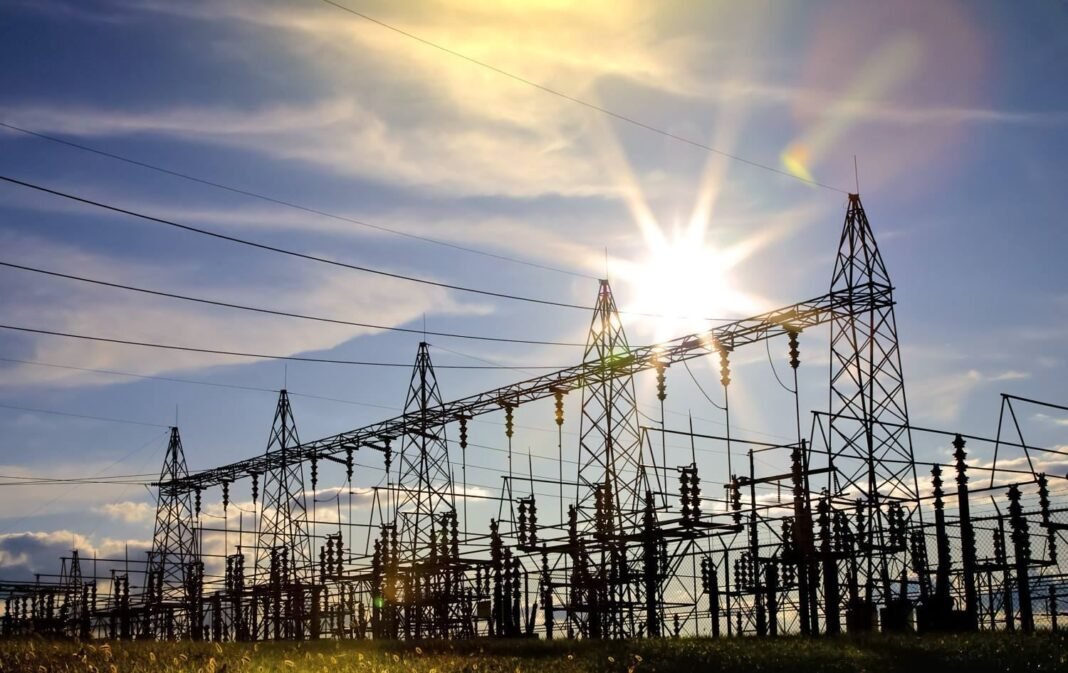
Iraq continues to strengthen its energy infrastructure. The Iraq power grid expansion now approaches a major milestone. Officials confirm strong progress in regional electricity connections.
First, the national grid prepares for the launch of a 500-megawatt electricity link. This connection will link Iraq with Gulf electricity networks. Consequently, the project will support energy stability across the country.
Moreover, engineers continue final preparations for the first phase of the project. Officials report that construction work has almost finished. Therefore, authorities now focus on operational arrangements.
Importantly, the Iraq power grid expansion aims to improve electricity reliability. The project will help the country handle high electricity demand. Summer demand usually creates serious pressure on the national grid.
At the same time, the project reduces dependence on imported fuel. Many Iraqi power plants rely on foreign gas supplies. However, disruptions in gas imports often affect electricity production.
Therefore, the new connection provides an alternative source of electricity. This approach strengthens national energy security. In addition, it creates flexibility in managing power supply.
Meanwhile, officials confirmed steady progress on several regional electricity projects. Iraq continues expanding its interconnection network with neighboring countries. These connections help stabilize energy supply across borders.
For example, electricity links with Turkey continue moving forward. Engineers plan to activate this connection at the beginning of the summer season. Consequently, Iraq will gain additional electricity support during peak demand.
At the same time, the country continues developing its electricity link with Jordan. Authorities now work on the second phase of this project. This step will further strengthen regional power cooperation.
Importantly, the Iraq power grid expansion includes the nearly completed Gulf connection. Officials report that the project now stands at about 95 percent completion. Engineers currently finalize operational mechanisms before launch.
Once operational, the first phase will deliver 500 megawatts of electricity. This capacity will directly support the national grid during high-demand periods. As a result, power outages could decrease significantly.
Furthermore, the project improves the efficiency of electricity distribution. A stronger regional network helps balance supply and demand. Consequently, the grid can respond faster to sudden changes in electricity usage.
Energy experts also highlight another benefit. Regional interconnections allow countries to share electricity during shortages. Therefore, Iraq can rely on neighboring power networks during emergencies.
Meanwhile, the national grid continues preparing for summer demand. Electricity consumption often rises sharply during hot months. Air conditioning and cooling systems increase electricity usage nationwide.
Because of this seasonal pressure, authorities focus heavily on grid stability. The Iraq power grid expansion plays a central role in this strategy. Officials believe regional connections will strengthen electricity supply reliability.
In addition, the project reduces pressure on domestic power plants. Local plants sometimes face operational limits because of fuel shortages. However, imported electricity can help bridge supply gaps.
Ultimately, the Iraq power grid expansion reflects a broader energy strategy. Iraq continues investing in infrastructure and regional cooperation. These efforts aim to deliver stable electricity for citizens and businesses.