

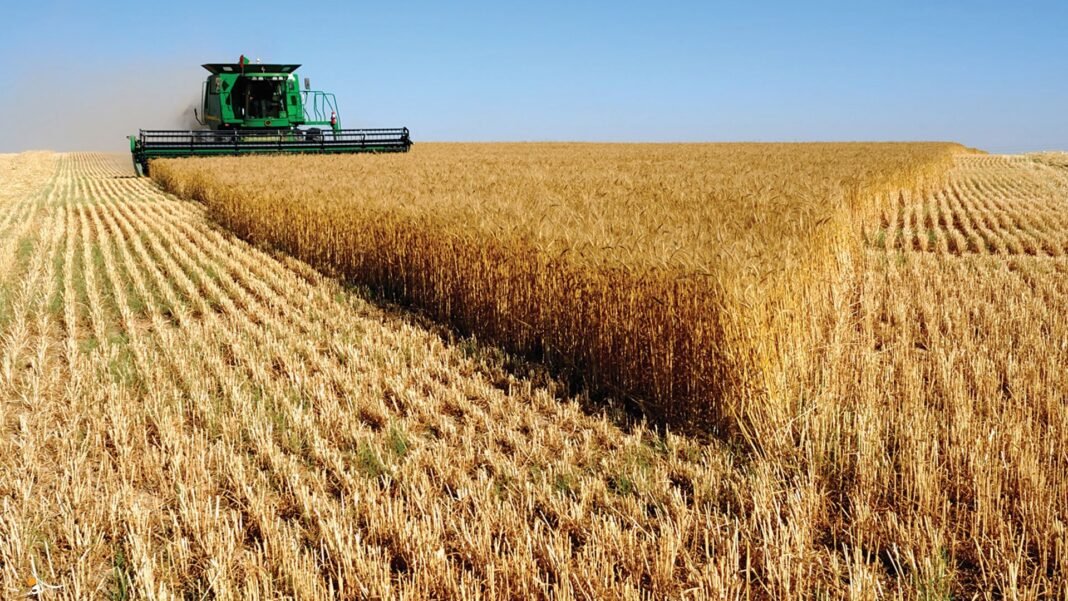
Iraq wheat security plays a central role in protecting food supplies nationwide. The country relies on strong planning to support citizens. Moreover, officials confirm steady flour availability across all provinces. Therefore, families who depend on ration flour feel confident. Iraq wheat security also reflects long-term agricultural commitment.
Iraq currently stores about 4.2 million tons of locally produced wheat. This reserve directly supports the public food ration system. As a result, flour distribution continues smoothly without disruption. In addition, officials confirm this stock covers a full year. Consequently, supply chains remain stable under all conditions.
Furthermore, senior grain officials emphasize readiness and crisis planning. They explain that wheat reserves protect citizens during financial stress. Because of this preparation, authorities expect no shortages. Moreover, managers confirm quick responses during emergencies. This approach strengthens trust in food institutions.
At the same time, officials clearly reject rumors about sending wheat abroad. They deny plans to provide wheat to Syria or Lebanon. Leaders describe these reports as inaccurate and misleading. Therefore, Iraq keeps all strategic wheat inside national storage. This decision preserves domestic food stability.
Meanwhile, the government allows the sale of surplus wheat inside Iraq. Officials approved a price of 420,000 Iraqi dinars per ton. This policy supports farmers and strengthens rural incomes. In addition, it encourages continued wheat production. Consequently, local agriculture gains financial stability.
Moreover, officials remain open to regional trade opportunities. Neighboring countries may submit official wheat purchase requests. Authorities may review offers from Iran or Jordan. However, leaders place domestic needs above exports. Iraq wheat security always comes first.
Earlier, agriculture leaders announced major production achievements. Iraq achieved self-sufficiency in several essential crops. This progress reduced reliance on foreign imports. As a result, the country strengthened agricultural independence. These gains reflect years of coordinated planning.
Wheat production reached record levels across recent seasons. Farmers produced more than five million tons annually. These results followed improved irrigation and better seed quality. Additionally, planning reforms supported higher yields. The farming sector showed strong resilience.
Experts credit farmers for adopting modern techniques nationwide. They improved soil management and planting methods. Consequently, yields increased across multiple provinces. This success strengthened national grain reserves. It also supported food price stability.
As a result, wheat now serves as an economic anchor. Stable production helps control market prices. It also protects low-income families from shortages. Therefore, wheat security supports social balance. Food confidence improves national stability.
Looking ahead, officials plan further agricultural investment. They aim to upgrade storage and transport systems. Milling capacity will also improve across regions. Such steps will protect wheat quality long term. These plans support future food security.
In conclusion, Iraq wheat security reflects disciplined management and farmer dedication. Strong reserves and smart policies drive success. Therefore, Iraq moves closer to lasting food independence. Iraq wheat security shapes a stable national future.