

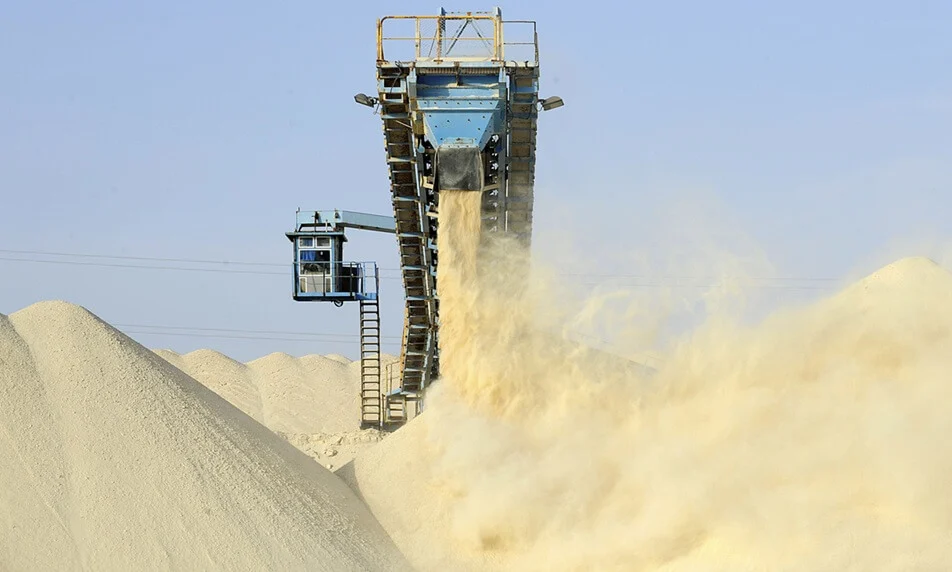
Iraq advances industrial development through a major investment in the phosphate sector. The government supports a large fertilizer complex in Anbar province. This initiative strengthens national production capacity and economic diversification. Moreover, officials aim to use natural resources more effectively. Therefore, planners focus on long-term industrial recovery. The Iraq phosphate fertilizer project reflects this strategic direction.
First, the Ministry of Industry and Minerals confirms full commitment to the new plant. Officials emphasize resource utilization across western regions. Iraq holds vast phosphate reserves in the Anbar desert. Consequently, leaders seek to transform raw materials into valuable products. This step supports local industries and export potential. In addition, it reduces reliance on imported fertilizers.
Previously, conflict damaged existing phosphate facilities. As a result, production stopped for years. Now, authorities work to rebuild the sector. They choose modern technology and private sector cooperation. Therefore, the project marks a fresh industrial chapter. It also restores confidence in large-scale manufacturing.
Furthermore, the project relies on a strong international partnership. A major Chinese engineering company leads construction activities. This cooperation brings advanced technical expertise. It also ensures efficient project execution. Meanwhile, Iraqi state companies contribute local knowledge. Together, both sides share responsibilities and benefits.
The fertilizer complex includes integrated production units. These units manufacture key agricultural inputs. Annual output includes large volumes of phosphate-based fertilizers. Consequently, farmers gain access to reliable supplies. This availability supports food security and agricultural productivity. Moreover, stable fertilizer supply helps control market prices.
In addition, the project stimulates employment opportunities. Construction activities create many jobs. Later, plant operations sustain long-term employment. Therefore, local communities benefit directly. Business services also grow around the project site. Transport, maintenance, and logistics sectors expand.
Financially, the project represents a major investment. Funding supports infrastructure, equipment, and training. Officials expect strong economic returns. Therefore, planners view the complex as a growth engine. It also encourages future mineral investments. The Iraq phosphate fertilizer project signals readiness for larger ventures.
Meanwhile, the government promotes mineral exploitation across the western desert. Authorities identify mining as a key economic pillar. Phosphate resources offer long-term revenue potential. Consequently, leaders plan additional projects in the region. This strategy balances oil dependence with industrial output.
The partnership model plays a critical role. Public institutions cooperate with private and foreign firms. This approach speeds up implementation. It also improves efficiency and accountability. Therefore, the project sets a model for future investments.
Moreover, modern production methods reduce environmental impact. Engineers design systems that limit waste. Resource efficiency remains a priority. As a result, production aligns with sustainable practices. This balance supports both growth and responsibility.
Ultimately, Iraq aims to rebuild its industrial base. Leaders focus on value-added production. Fertilizer manufacturing supports agriculture and trade. Through planning and cooperation, the country moves forward. The Iraq phosphate fertilizer project stands as a symbol of recovery and ambition.